


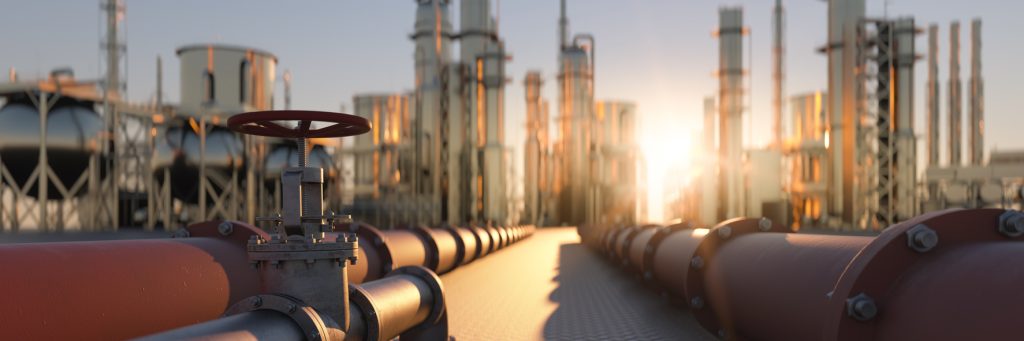
Oil and gas transport technology in Nigeria is no longer just about moving tankers from depots to filling stations or carrying equipment to project sites. Today, companies need safer routing, better tracking, faster coordination, and fewer costly delays.
For businesses that supply tools, spare parts, safety materials, lubricants, engineering equipment, or staff transport to oil and gas locations, logistics mistakes can quickly become expensive. A delayed truck from Lagos to Port Harcourt can affect site work. Poor vehicle coordination in Warri or Bonny can slow down operations. A missing document at a depot gate can waste a whole day.
This is where practical transport technology and organised logistics support become important.
How Oil and Gas Movement Really Works in Nigeria
Oil and gas logistics in Nigeria often involves more than one transport method. Depending on the job, movement may include:
- Tanker and truck transport
- Pipeline and depot distribution
- Marine movement through jetties and terminals
- Equipment delivery to project sites
- Staff transport and airport pickups
- Interstate cargo movement
The common routes are familiar to operators: Lagos to Port Harcourt, Lagos to Warri, Abuja to Kaduna, Port Harcourt to Bonny, and Lagos to Onne. Each route has its own issues, from traffic and checkpoints to road conditions, loading delays, and security concerns.
Good planning matters because oil and gas cargo is usually time-sensitive. Even when the item is not hazardous, it may be needed urgently for maintenance, installation, procurement, or field operations.
What Technology Is Changing in Oil and Gas Transport
Modern oil and gas transport technology in Nigeria is helping companies reduce guesswork. Instead of calling drivers every hour to ask “where are you now?”, businesses can use better coordination systems, live updates, and structured dispatch processes.
Useful technology in this space includes:
- GPS tracking for trucks and vehicles
- Digital delivery confirmation
- Route planning based on traffic and road conditions
- Fleet scheduling systems
- Driver communication tools
- Cargo documentation support
- Real-time customer updates
For example, a company sending equipment from Lagos to Port Harcourt needs more than a driver. It needs pickup confirmation, proper packaging, route monitoring, contact at the receiving end, and proof of delivery.
That is the type of coordination Travo.ng supports through practical transport, courier, cargo logistics, and business delivery services.
Why Nigerian Businesses Still Struggle With Transport Delays
Technology helps, but local knowledge still matters. A system may show the shortest route, but an experienced logistics team knows that certain roads can become difficult during rainy season or after heavy traffic buildup.
Common causes of delays include:
- Poor road conditions on major corridors
- Depot loading queues
- Vehicle breakdowns
- Incomplete cargo documents
- Last-minute booking
- Unclear delivery contact details
- Traffic around Lagos ports and industrial areas
- Security concerns on some interstate routes
For oil and gas support businesses, these small issues can affect bigger contracts. A spare part that arrives late may delay field work. A driver without proper delivery instructions may lose hours at the gate. A poorly planned airport pickup can inconvenience visiting engineers or consultants.
Where Travo.ng Fits Into the Process
Travo.ng helps businesses and individuals organise transport and logistics without struggling with too many separate vendors. Depending on the need, customers can arrange:
- Courier and parcel delivery
- Cargo logistics
- Vehicle hire
- Airport pickup
- Staff transport coordination
- Interstate delivery support
- Hotel and travel booking for field teams
- Relocation and business logistics support
For example, an oil service company in Lagos may need to send documents and equipment to Port Harcourt while also booking hotel accommodation for staff visiting a client site. Instead of handling each task separately, Travo.ng provides a more coordinated way to manage movement.
Practical Tips Before Booking Oil and Gas Logistics
Before arranging oil and gas-related transport, prepare the details properly. This saves time and reduces avoidable calls.
Have these ready:
- Pickup and delivery addresses
- Cargo description and size
- Preferred pickup time
- Receiver’s name and phone number
- Any gate pass or access requirement
- Delivery urgency
- Whether vehicle hire, courier, or cargo movement is needed
For heavier equipment, share photos, weight estimates, and handling instructions. For staff movement, confirm flight times, hotel address, number of passengers, and luggage size.
The clearer the booking details, the easier it is to assign the right vehicle, route, and delivery plan.
The Future of Oil and Gas Transport in Nigeria
Oil and gas transport technology in Nigeria will keep moving toward better tracking, safer fleet management, and more transparent delivery updates. But technology alone is not enough. Nigerian logistics still needs people who understand roads, timing, documentation, vehicle selection, and customer communication.
That is why businesses should work with logistics partners that combine digital coordination with real local experience.
With Travo.ng, customers can book transport, delivery, cargo logistics, airport pickups, hotel reservations, and business mobility support in one place. For companies working around Nigeria’s oil and gas corridors, that kind of practical coordination can save time, reduce stress, and improve reliability.
