


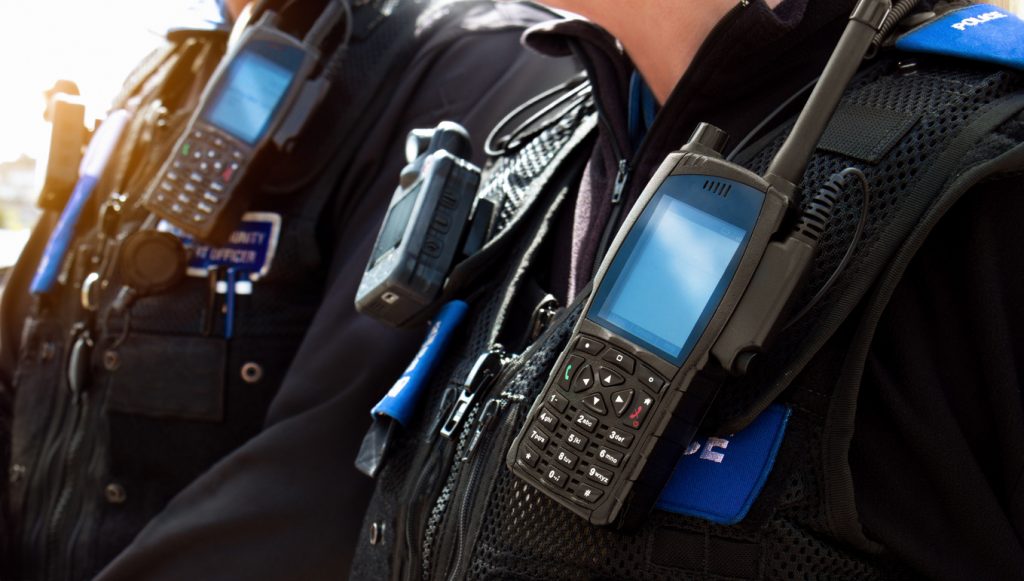
Understanding what are the ranks in police in Nigeria is more than general knowledge—it can directly impact your safety and confidence when traveling. Whether you’re booking transport, coordinating logistics, or navigating unfamiliar areas, knowing how the police hierarchy works helps you interact appropriately and avoid unnecessary complications.
At Travo.ng, we prioritize safe, reliable travel and logistics solutions. This guide breaks down the Nigerian police ranking system in a clear, practical way.
Why Knowing What Are the Ranks in Police Matters for Travelers
When moving goods or traveling across states in Nigeria, you may encounter police checkpoints. Knowing what are the ranks in police helps you:
- Identify authority levels quickly
- Communicate respectfully with officers
- Avoid delays during logistics operations
- Enhance personal and cargo security
For businesses using Travo.ng, this knowledge supports smoother coordination and fewer disruptions.
What Are the Ranks in Police in Nigeria? Full Breakdown
The Nigerian Police Force (NPF) follows a structured ranking system divided into junior and senior officers.
Junior Police Ranks
These officers are typically the first point of contact on the road:
- Police Constable
- Corporal
- Sergeant
They handle routine patrols, checkpoint duties, and basic enforcement.
Senior Police Ranks
Senior officers oversee operations and decision-making:
- Inspector of Police
- Assistant Superintendent of Police (ASP)
- Deputy Superintendent of Police (DSP)
- Superintendent of Police (SP)
- Chief Superintendent of Police (CSP)
- Assistant Commissioner of Police (ACP)
- Deputy Commissioner of Police (DCP)
- Commissioner of Police (CP)
- Assistant Inspector General (AIG)
- Deputy Inspector General (DIG)
- Inspector General of Police (IGP)
The higher the rank, the greater the authority and responsibility.
How Police Ranks Affect Travel and Logistics in Nigeria
Understanding what are the ranks in police becomes especially important when using travel or delivery services.
Checkpoints and Road Travel
Most checkpoints are managed by junior officers, but senior officers may supervise operations. Knowing rank distinctions helps you:
- Respond calmly during inspections
- Recognize legitimate authority
- Avoid unnecessary disputes
Cargo and Logistics Movement
For businesses shipping goods via Travo.ng, police interaction is sometimes unavoidable. Awareness of ranks ensures:
- Professional communication
- Faster resolution of issues
- Reduced risk of delays
Tips for Safe Travel When Dealing with Police Officers
To make your journey smoother, follow these practical tips:
- Always carry valid identification
- Keep travel or delivery documents accessible
- Speak respectfully regardless of rank
- Avoid arguments—escalate only when necessary
- Use trusted platforms like Travo.ng for secure logistics planning
These steps complement your understanding of what are the ranks in police, helping you stay prepared.
How Travo.ng Supports Safe and Reliable Travel
At Travo.ng, safety is built into every service. While knowing what are the ranks in police is useful, partnering with a reliable logistics provider ensures even greater peace of mind.
Our services focus on:
- Verified drivers and operators
- Efficient route planning to minimize delays
- Secure handling of goods
- Reliable travel coordination across Nigeria
By combining expert logistics with local knowledge, we help you avoid common travel challenges.
Final Thoughts
Understanding what are the ranks in police in Nigeria equips you with practical knowledge that improves both safety and efficiency during travel. From navigating checkpoints to managing logistics, this awareness gives you an edge.
For a smoother experience, pair this knowledge with a trusted service like Travo.ng—your reliable partner for travel and logistics solutions across Nigeria.
