


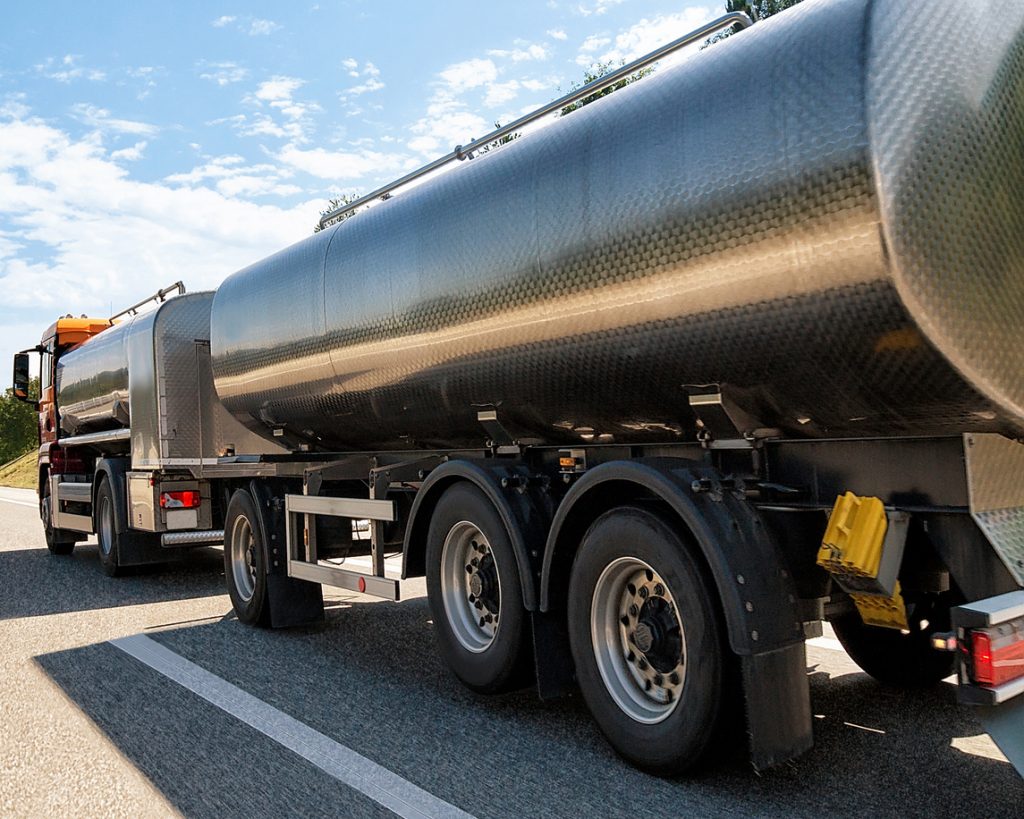
Moving fuel in Nigeria is not the same as moving regular cargo. Diesel, petrol, and other petroleum products require careful planning, the right vehicles, experienced handlers, route awareness, and proper coordination from pickup to delivery.
For businesses that depend on steady fuel supply, poor logistics can quickly affect operations. A delayed diesel delivery can stop a hotel generator, slow down a construction site, disrupt telecom operations, or affect a factory’s production schedule.
That is why fuel movement logistics in Nigeria must be handled with more attention than normal transport jobs.
What Fuel Movement Usually Involves
Fuel movement can cover different needs depending on the customer. Some businesses need regular diesel supply within Lagos. Others need bulk fuel moved from depot areas to sites in Abuja, Port Harcourt, Ibadan, Ogun, Benin, or other parts of Nigeria.
Common fuel logistics requests include:
- Diesel delivery to offices, estates, hotels, and factories
- Petrol movement for business operations
- Bulk fuel transportation for industrial users
- Site-to-site fuel supply coordination
- Emergency diesel delivery during power outages
- Scheduled fuel movement for companies with multiple branches
The main concern is not just moving the product. It is making sure it gets there safely, on time, and with proper handling.
Why Fuel Delivery Can Be Difficult in Nigeria
Fuel logistics in Nigeria comes with real operational challenges. Traffic around depot areas like Apapa, Ijegun, Satellite Town, and parts of Port Harcourt can delay loading and dispatch. Bad roads can slow down interstate movement. Security risks may also affect night movement on some routes.
There is also the issue of timing. A company in Lekki may need diesel delivered before office hours. A construction site in Ogun may need supply before equipment starts running. A hotel in Abuja may not be able to wait until the next day if its backup fuel is low.
This is why proper planning matters. The route, vehicle type, driver experience, delivery window, and customer availability must all be confirmed before movement starts.
What It Can Cost to Move Fuel
The cost of fuel transport depends on distance, volume, vehicle type, pickup location, delivery urgency, and route conditions.
For example, moving diesel within Lagos may cost less than sending fuel from Lagos to Ibadan, Abuja, or the South-East. A small scheduled delivery within town may be priced differently from bulk fuel movement requiring a tanker or dedicated truck.
Customers should also expect costs to change during high-demand periods, fuel scarcity, road disruptions, or depot delays. The best approach is to request a quote based on the exact pickup point, delivery location, volume, and preferred delivery time.
Mistakes Businesses Make With Fuel Logistics
Many fuel delivery problems happen because customers wait until supply is almost finished before booking transport. This creates pressure and can lead to rushed decisions.
Other common mistakes include:
- Not confirming access to the delivery site
- Booking without checking the required volume
- Ignoring traffic around depot areas
- Choosing the cheapest option without checking reliability
- Not planning for weekend or public holiday movement
- Failing to provide a contact person at the delivery point
For sensitive products like fuel, coordination is just as important as the vehicle.
How Travo.ng Supports Fuel Movement Logistics
Travo.ng helps businesses coordinate reliable fuel movement logistics in Nigeria by connecting transport planning with practical local knowledge. Whether the request is for diesel delivery within Lagos, scheduled supply to business locations, or interstate fuel movement, the focus is on safe and organized execution.
Through Travo.ng, customers can also arrange related logistics support such as cargo movement, transport coordination, courier services, relocation support, airport pickups, vehicle hire, and business delivery services where needed.
For companies managing operations across multiple locations, this makes logistics easier because movement can be planned from one reliable point of contact.
When to Book Fuel Movement Support
It is better to schedule fuel movement before it becomes urgent. For regular business use, plan deliveries ahead of expected consumption. For interstate movement, allow extra time for loading, traffic, route checks, and delivery coordination.
You should book fuel logistics support when:
- Your business needs steady diesel supply
- You operate generators daily
- You manage multiple branches
- You need fuel moved across states
- You want safer coordination than informal transport options
- You need urgent delivery but still want proper handling
Fuel movement is too important to leave to chance. With the right logistics partner, businesses can avoid downtime, reduce delivery stress, and keep operations running smoothly.
Travo.ng provides practical support for fuel movement logistics in Nigeria, helping customers plan, schedule, and coordinate fuel transport with better confidence.
