


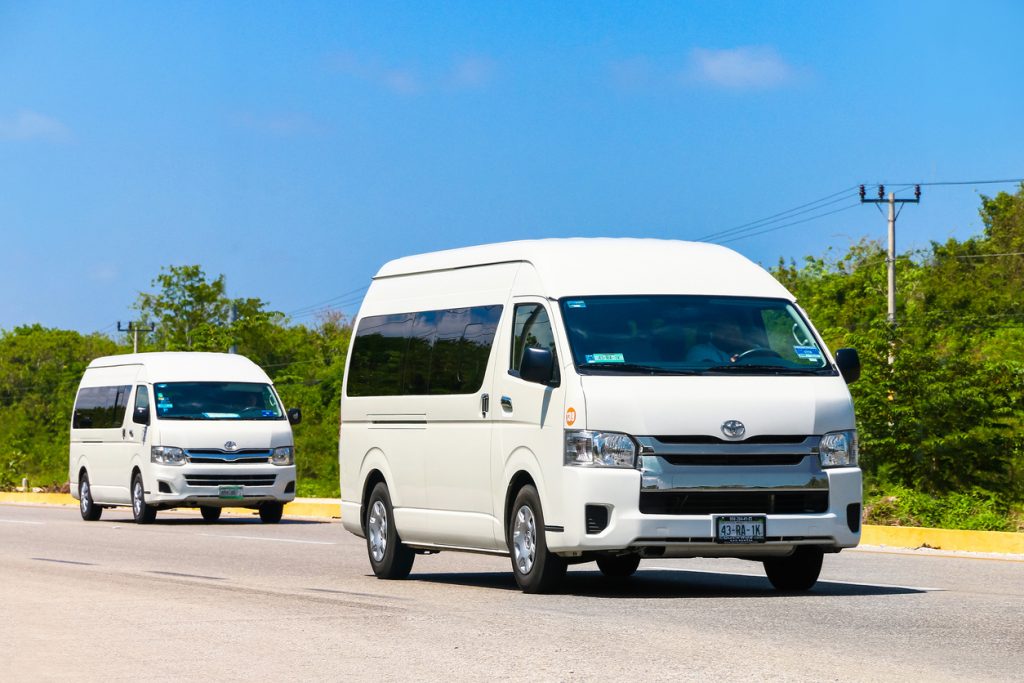
Traveling from Lagos to Calabar is one of the longest interstate road journeys in southern Nigeria. It connects Nigeria’s commercial capital (Lagos) with Cross River State’s tourism and administrative capital (Calabar).
From major departure points like Ojota, Jibowu, Mile 2, Oshodi, and Berger, buses travel through the southern highway network before arriving in Calabar terminals such as Marian Road, Watt Market, and Calabar Municipal parks.
💰 Lagos to Calabar Transport Fare (2026)
Based on current intercity transport pricing:
- ₦37,000 – ₦55,000 per passenger (one-way)
Most travelers typically fall within this range depending on comfort level and transport company.
🚌 Fare Breakdown by Bus Type
Standard buses
- ₦37,000 – ₦43,000
- Basic comfort, more stopovers, cheaper option
Executive / AC buses
- ₦43,000 – ₦50,000
- Better seating, fewer stops, smoother travel
Luxury buses
- ₦50,000 – ₦55,000+
- Premium comfort, faster service, fewer breaks
🏢 Popular Transport Companies (Typical Range)
- GIG Mobility (GIGM): ₦43,000 – ₦50,000
- GUO Transport: ₦40,000 – ₦52,000
- ABC Transport: ₦45,000 – ₦55,000
- Peace Mass Transit: ₦37,000 – ₦48,000
- Cross Country: ₦37,000 – ₦41,500
Prices vary based on season and booking time.
⏱ Travel Duration
- 10 to 14 hours by road
Main route:
Lagos → Ibadan → Benin → Asaba → Port Harcourt → Calabar
Common delay points:
- Lagos exit traffic
- Ore / Benin axis
- Delta–Rivers corridor
- Entry into Port Harcourt and Calabar routes
📌 What Affects Lagos to Calabar Fare
- Fuel price changes
- Holiday seasons (Christmas, Easter, Sallah)
- Bus type (standard vs luxury)
- Early booking vs last-minute travel
- Transport company pricing policy
💡 Quick Summary
- Cheapest fares: ₦37,000 – ₦43,000
- Average range: ₦40,000 – ₦50,000
- Premium travel: ₦50,000 – ₦55,000+
🧭 Final Thoughts
Lagos to Calabar is a long but major interstate corridor, so prices fluctuate based on demand, fuel cost, and season. Booking early usually helps secure better seats and more stable pricing.
With platforms like Travo.ng, you can compare transport options, avoid last-minute price hikes, and plan long-distance travel more efficiently.
