


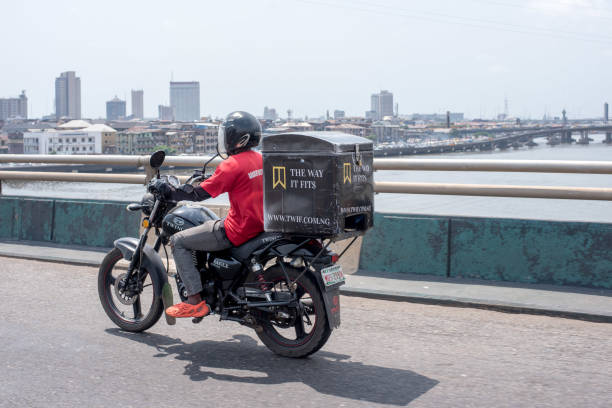
Order fulfilment in Nigeria can look simple from the outside: receive an order, package it, send it out, and confirm delivery. But anyone running an online store, food supply business, pharmacy, fashion brand, spare parts shop, or corporate dispatch operation knows it is rarely that straightforward.
Between Lagos traffic, interstate transport delays, wrong addresses, customer rescheduling, rider availability, and fragile goods handling, fulfilment can quickly become the part of the business that causes the most complaints.
That is why many growing businesses now use logistics partners like Travo.ng to coordinate deliveries, cargo movement, courier services, and transport support instead of trying to manage everything manually.
What Order Fulfilment Really Involves in Nigeria
For a Nigerian business, fulfilment usually includes:
Receiving customer orders
Confirming payment and delivery details
Picking and packaging the item
Assigning a rider, driver, or cargo option
Tracking movement
Managing failed delivery attempts
Confirming customer receipt
For same-day deliveries within Lagos, areas like Lekki, Victoria Island, Ikeja, Yaba, Surulere, and Ajah often need careful route planning. A parcel leaving Ikeja for Lekki at 4 pm may arrive much later than expected because of Third Mainland Bridge or Admiralty traffic.
For interstate orders, such as Lagos to Abuja, Port Harcourt, Benin, Ibadan, or Enugu, businesses must also consider park departure times, cargo loading, waybill handling, and customer pickup coordination.
Why Many Businesses Struggle With Fulfilment
The biggest issue is not always distance. It is coordination.
A business may have good products but lose customers because deliveries are late, parcels are mixed up, or nobody updates the buyer. In Nigeria, customers usually want reassurance. They want to know:
Has my order left?
Who is bringing it?
When will it arrive?
Can I pay on delivery?
What happens if I am not around?
Without a proper fulfilment process, business owners spend too much time answering delivery calls instead of focusing on sales.
Travo.ng helps businesses reduce this stress by supporting courier delivery, cargo logistics, transport coordination, and business dispatch needs across practical Nigerian routes.
Lagos Deliveries Need a Different Kind of Planning
Lagos is one of the hardest places to manage fulfilment because timing changes quickly.
A same-day order from Lekki Phase 1 to Ikeja may be easy in the morning but difficult by evening. Deliveries around markets like Balogun, Computer Village, Trade Fair, and Alaba also need riders or logistics teams who understand pickup delays, parking issues, and loading restrictions.
For businesses sending multiple parcels daily, batching orders by location can reduce cost and improve speed. For example:
Mainland orders can be grouped separately
Island orders can be dispatched earlier
Bulk deliveries can move by vehicle instead of bike
Fragile goods should be packaged before rider arrival
These small operational decisions make fulfilment smoother.
Interstate Order Fulfilment Requires More Than Waybill
Many Nigerian businesses rely on waybill for interstate delivery, but fulfilment should not stop at “we have sent it.”
A proper process should include sender details, receiver contact, clear item description, packaging photos, transport company details, expected arrival window, and pickup instructions.
For example, Lagos to Abuja cargo may arrive the next day depending on departure time, vehicle availability, and cargo type. Lagos to Ibadan may move faster, while Lagos to Port Harcourt or Enugu may require more careful scheduling.
Travo.ng can support businesses that need interstate cargo movement, courier coordination, relocation logistics, and transport arrangements without leaving customers confused.
Cost Expectations for Nigerian Order Deliveries
Delivery cost depends on distance, item size, urgency, and handling needs.
Typical examples may include:
Small parcel delivery within Lagos: ₦2,000 to ₦6,000 depending on distance
Urgent island-to-mainland delivery: often higher during peak traffic
Interstate waybill for small cargo: ₦4,000 to ₦15,000 depending on route and weight
Bulk goods or relocation items: priced based on vehicle type and distance
Businesses should avoid quoting customers blindly. It is better to confirm delivery cost first, especially for heavy items, fragile products, or urgent orders.
Mistakes to Avoid When Handling Customer Orders
Many fulfilment problems come from small avoidable mistakes.
Common ones include:
Sending parcels without confirming the receiver’s phone number
Using weak packaging for fragile items
Giving customers unrealistic delivery times
Not separating paid orders from pay-on-delivery orders
Failing to track failed delivery attempts
Choosing the cheapest option for high-value goods
A reliable fulfilment process protects both the business and the customer.
How Travo.ng Supports Order Fulfilment in Nigeria
Travo.ng is useful for businesses and individuals who need more than random dispatch contacts. Depending on the need, Travo.ng can assist with courier services, delivery support, cargo logistics, transport coordination, vehicle hire, relocation movement, and business logistics planning.
For a growing online vendor, that may mean arranging regular customer deliveries. For a company, it may mean moving documents, equipment, staff items, or bulk supplies. For families, it may involve relocation or interstate cargo support.
Order fulfilment in Nigeria works best when it is planned properly, priced realistically, and handled by people who understand local movement challenges.
With Travo.ng, businesses can spend less time chasing deliveries and more time serving customers.
