

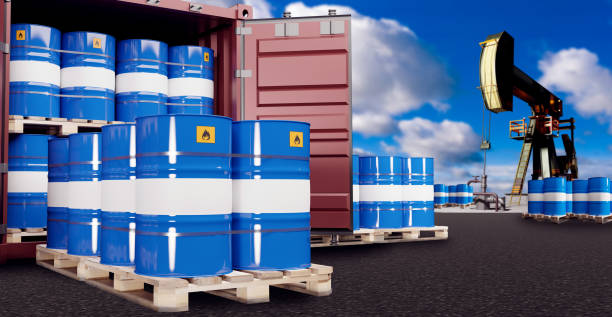
Moving oilfield machinery across Nigeria’s land borders requires more planning than ordinary cargo delivery. Heavy equipment, drilling components, industrial pumps, valves, and pipeline materials often need specialised vehicles, customs documentation, and careful handling.
For businesses managing oil and gas equipment land border in Nigeria, the biggest concerns are usually clearance delays, transportation costs, equipment safety, and getting shipments to project sites on schedule.
Whether equipment is entering Nigeria from Benin or moving towards another West African country, understanding the process can prevent expensive disruptions.
Which Nigerian Land Borders Handle Oil and Gas Equipment?
Nigeria has several land crossings used for regional commercial trade. However, not every border is suitable for oversized industrial cargo.
Common routes include:
- Seme Border, Lagos: Connects Nigeria with Benin and supports commercial cargo movement along the West African coastal corridor.
- Idi-Iroko Border, Ogun State: Another crossing into Benin, subject to applicable customs procedures and cargo restrictions.
- Jibia Border, Katsina: Connects Nigeria with Niger, although operational and security conditions require verification before shipment.
For equipment destined for Port Harcourt, Warri, or other oil-producing locations, the chosen entry point affects inland transportation costs and delivery schedules.
Always confirm whether the crossing is authorised and operational for the particular cargo before dispatch.
Documents Required to Move Oilfield Equipment Across Borders
Customs documentation is one of the most important parts of transporting industrial machinery.
Depending on the shipment, businesses may need:
- Commercial invoices and packing lists
- Equipment specifications and serial numbers
- Customs declarations and applicable import permits
- Form M and PAAR documentation for qualifying Nigerian imports
- Certificates of origin where required
- Relevant regulatory approvals for specialised equipment
Importers should work with licensed customs agents to confirm the applicable requirements.
Incorrect equipment descriptions or missing documents can lead to inspections, additional charges, and clearance delays.
What Does Land Border Equipment Transportation Cost?
Transport costs depend on equipment dimensions, weight, vehicle requirements, route conditions, and customs-related expenses.
For example, moving a compact industrial pump from the Seme corridor to Lagos requires different arrangements from transporting a large drilling component to Rivers State.
Heavy equipment may require low-bed trailers, cranes, escort arrangements, and specialised loading teams.
Rather than relying on a fixed online quotation, businesses should provide accurate cargo specifications before requesting transport pricing.
How Long Does Border-to-Site Delivery Take?
Delivery timelines depend on customs clearance, border operations, road conditions, and final destination.
Once equipment has cleared customs, a shipment moving from the Lagos border corridor towards Port Harcourt may require approximately one to three days of road movement, depending on vehicle type and operating conditions.
Customs processing can add further time, particularly when inspections or additional approvals are necessary.
Businesses should avoid scheduling installation teams before confirming equipment clearance and estimated arrival.
Avoiding Damage During Industrial Equipment Transportation
Oilfield equipment can be expensive to repair or replace.
Before dispatch, confirm the lifting points, cargo weight, packaging requirements, and securing arrangements.
Sensitive instruments may require protective crates, while heavy machinery needs appropriate restraints and suitable loading equipment.
Photographing equipment before loading also helps establish its condition during handover.
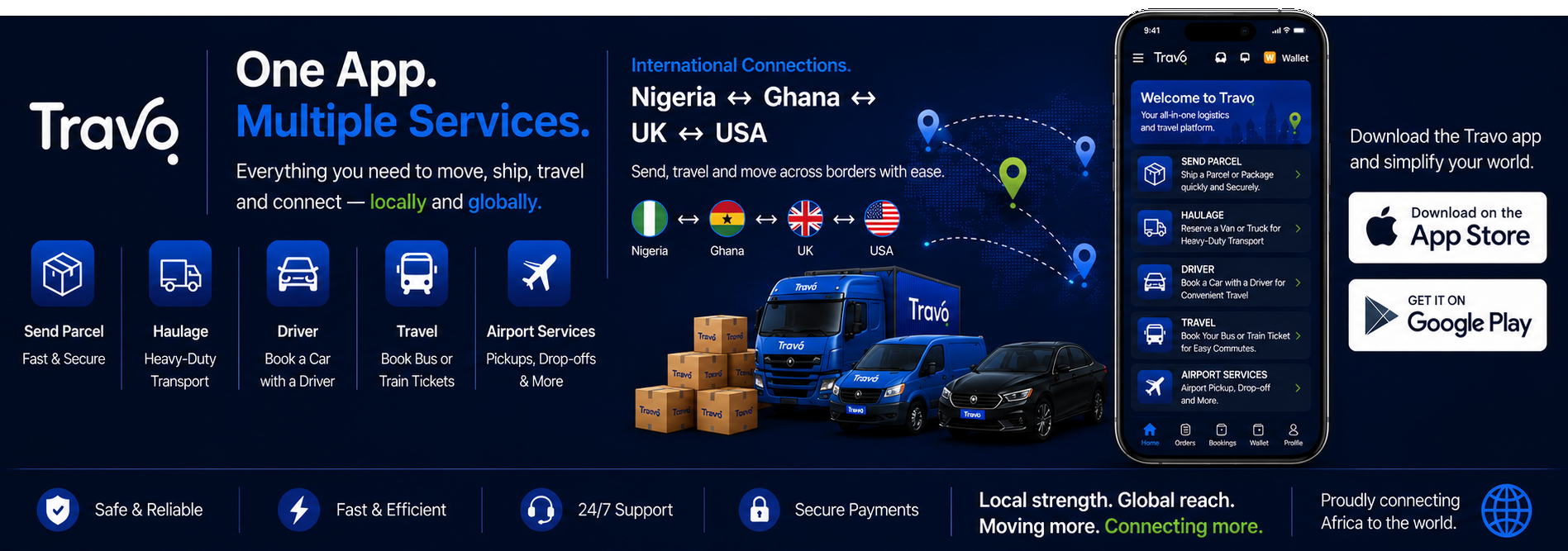
Arrange Oil and Gas Equipment Transportation With Travo.ng
Businesses handling oil and gas equipment land border in Nigeria need dependable transport coordination from the border to the final project location.
Travo.ng provides a practical contact point for discussing cargo logistics, heavy equipment transportation requirements, and business delivery arrangements.
Share your equipment dimensions, pickup location, destination, and preferred delivery schedule to discuss suitable transport options. Customs clearance, specialist lifting, and oversized-load arrangements should be confirmed separately where required.
For companies supplying oilfield projects in Lagos, Warri, or Port Harcourt, early planning helps reduce unnecessary delays and protect valuable equipment.
Visit Travo.ng to request cargo logistics assistance and discuss your next equipment shipment.
