


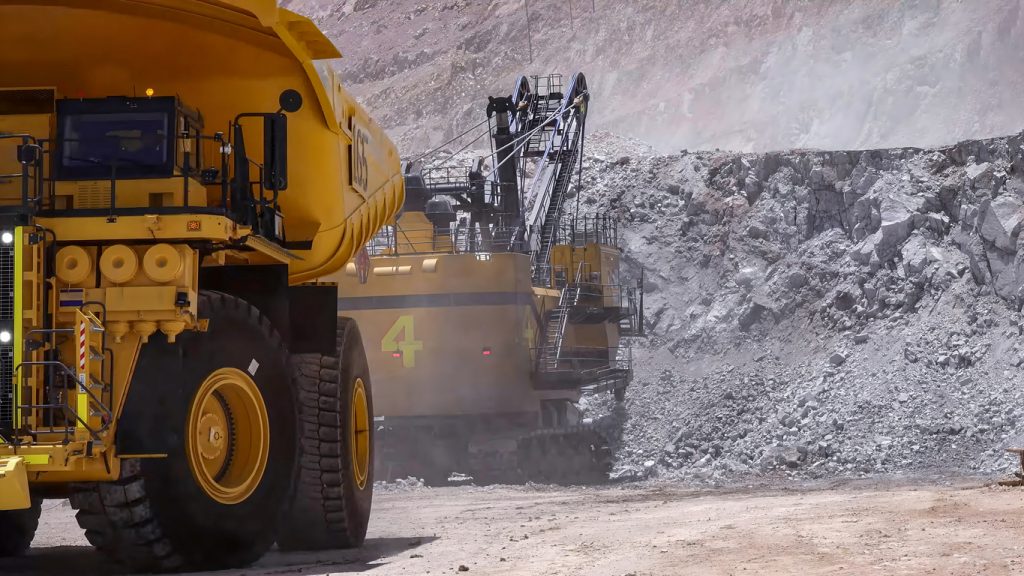
Importing excavators, drilling rigs, crushers, and other heavy machinery into Nigeria involves more than arranging international shipping. One of the biggest challenges is getting the equipment through customs without unnecessary delays, unexpected charges, or documentation problems.
For mining companies and equipment suppliers, mining equipment border clearance in Nigeria requires careful preparation, accurate shipping documents, and reliable transport arrangements after customs release.
Whether your machinery is arriving through Lagos ports or entering Nigeria through an approved land border, understanding the clearance process can help protect your investment and keep your project moving.
What Happens When Mining Equipment Arrives at the Nigerian Border?
Mining machinery is often expensive, oversized, and difficult to move. Unlike ordinary commercial goods, some equipment requires special handling, heavy-duty trucks, and additional transport planning.
At ports such as Apapa and Tin Can Island in Lagos, imported machinery must undergo the applicable customs procedures before release.
The process generally involves:
- Confirming the correct customs classification and applicable import requirements.
- Preparing the Form M and other required import documents.
- Obtaining the relevant Pre-Arrival Assessment Report (PAAR), where applicable.
- Submitting the customs declaration and supporting documentation.
- Paying assessed duties, taxes, and applicable charges.
- Completing customs examination or scanning where required.
Importers should confirm current requirements with the Nigeria Customs Service and an appropriately licensed customs agent before shipment.
Documents That Can Delay Your Equipment Clearance
One common problem is inconsistency between shipping documents.
For example, an invoice might describe a machine as a drilling rig while the packing list uses a different equipment description. Such discrepancies can trigger questions during customs processing.
Important documents typically include the commercial invoice, packing list, bill of lading or airway bill, and applicable import documentation.
Equipment specifications, serial numbers, and proof of value may also be requested.
Before shipping, ensure the equipment description, quantity, declared value, and identification details are consistent across the documents.
How Much Does Mining Equipment Clearance Cost?
There is no single clearance fee for all mining machinery imported into Nigeria.
Costs depend on the equipment’s tariff classification, customs value, origin, shipping arrangements, and applicable taxes or exemptions.
Additional expenses may include terminal handling, storage, examination, customs agency fees, and inland transportation.
For instance, moving a large excavator from Lagos to a mining site in Kogi State may require a low-bed trailer rather than an ordinary flatbed truck.
That difference affects transportation costs significantly.
Request an itemised estimate covering customs-related charges and delivery expenses before committing to the shipment.
Moving Heavy Mining Machinery After Customs Release
Customs release does not automatically mean the equipment is ready for immediate delivery.
A heavy crusher arriving at Tin Can Island may need specialised loading equipment, route assessment, and suitable transport vehicles.
Road conditions, bridges, vehicle dimensions, and access to the mining site should be considered before dispatch.
This is particularly important when transporting equipment to mining locations in states such as Nasarawa, Niger, Plateau, and Kogi.
Through Travo.ng, businesses can enquire about cargo logistics and heavy-equipment transport coordination to support movement from the clearance location to the final destination.
Avoiding Expensive Delays During Border Clearance
Importers can reduce avoidable complications by planning before the machinery leaves its country of origin.
Confirm the required documentation, check whether any regulatory approvals apply, and establish how the equipment will be transported after release.
For oversized machinery, arrange suitable transport early rather than waiting until clearance is completed.
Businesses should also budget for potential storage charges if documentation or examination issues delay collection.
Arrange Mining Equipment Logistics With Travo.ng
Successful mining equipment border clearance in Nigeria depends on accurate documentation, compliance with customs requirements, and proper delivery planning.
While customs clearance should be handled through authorised professionals, Travo.ng can be contacted for cargo transportation enquiries and logistics coordination.
If you are importing excavators, drilling machinery, or mining support equipment, contact Travo.ng to discuss available transport arrangements and delivery requirements.
Planning the entire movement before your equipment arrives can save time, reduce avoidable expenses, and help your mining operations get started sooner.
