


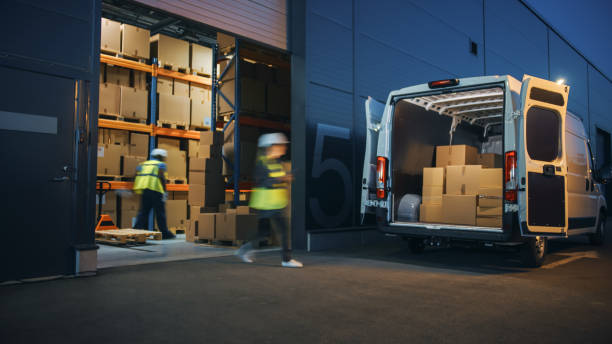
Moving hazardous goods across Nigeria’s land borders requires more preparation than transporting ordinary commercial cargo. A shipment containing industrial chemicals, flammable liquids, compressed gases, or other dangerous materials cannot simply be loaded onto a truck and driven through a border checkpoint.
For businesses handling hazardous goods land border in Nigeria, understanding customs procedures, safety documentation, and transport restrictions is essential. A missing permit or incorrectly labelled container can delay a shipment, increase costs, or lead to cargo seizure.
Whether you are transporting industrial supplies through Seme or moving regulated products towards northern border corridors, proper logistics planning makes a significant difference.
Which Goods Are Considered Hazardous at Nigerian Borders?
Hazardous goods are materials that can threaten human health, property, or the environment during transportation.
Common examples include:
- Flammable liquids, including certain industrial solvents
- Compressed gases and pressurised cylinders
- Corrosive chemicals used in manufacturing
- Toxic substances and regulated pesticides
- Certain industrial batteries and chemical products
- Explosive materials requiring specialised authorisation
Not every hazardous product can legally enter or leave Nigeria through a land border. Some goods are prohibited, while others require specific permits, approved packaging, and authorised transport arrangements.
Businesses should confirm the classification and import or export eligibility of their cargo before booking transportation.
Major Land Border Routes Used for Commercial Cargo
Nigeria shares land borders with Benin, Niger, Chad, and Cameroon. However, commercial access, border operating conditions, and permitted cargo categories vary.
Seme Border, Lagos–Benin Republic
Seme is an important commercial corridor for cargo moving between Nigeria and Benin. Businesses transporting regulated industrial materials must verify customs requirements and applicable restrictions before dispatch.
Idi-Iroko Border, Ogun State
Idi-Iroko connects southwestern Nigeria with Benin. Transporters should confirm whether the specific hazardous commodity is permitted through the crossing.
Jibia Border, Katsina State
Jibia connects Nigeria with Niger and has historically supported cross-border trade. Security conditions, border restrictions, and cargo permissions must be checked before planning movement.
A recognised commercial border is not automatically authorised to process every category of dangerous goods.
Documents Needed to Transport Hazardous Cargo Across Borders
Documentation depends on the commodity, its hazard classification, and whether it is being imported, exported, or transported in transit.
Common requirements may include:
- Commercial invoice and detailed packing list.
- Correct customs declaration and commodity classification.
- Safety Data Sheet (SDS) identifying handling risks.
- Applicable import or export permits from Nigerian regulatory authorities.
- Dangerous goods labels and compliant packaging.
- Transport documentation and any required transit authorisations.
Depending on the product, agencies such as the Nigeria Customs Service, NAFDAC, or other relevant regulators may be involved.
Importers should also confirm the requirements of the neighbouring country before dispatching cargo.
What Causes Hazardous Cargo Delays at Land Borders?
One common mistake is arranging a truck before verifying whether the shipment can legally cross the intended border.
Other problems include incorrect customs declarations, damaged packaging, missing safety information, and vehicles unsuitable for dangerous materials.
For example, a chemical distributor moving industrial solvents from Lagos towards Seme should confirm the product’s hazard classification, packaging requirements, permits, and border eligibility before loading.
Waiting until the truck reaches the checkpoint to resolve these issues can result in storage charges, return journeys, and unnecessary exposure to safety risks.
Planning Safer Hazardous Goods Transportation With Travo.ng
Transporting regulated cargo requires coordination between shippers, qualified carriers, customs agents, and relevant authorities.
Travo.ng can be a practical starting point for businesses seeking cargo logistics and transport coordination in Nigeria. When making an enquiry, provide the product classification, quantity, packaging details, pickup location, and intended destination.
Hazardous cargo acceptance should remain subject to confirmation of carrier capability, regulatory approvals, and route eligibility.
For businesses managing regular industrial shipments, early planning helps reduce avoidable delays and unexpected transport expenses.
Arrange Your Next Cross-Border Cargo Movement
Before moving hazardous goods through a Nigerian land border, confirm that the product is permitted, obtain the necessary documentation, and engage a properly qualified transporter.
If your business needs assistance planning cargo movement, contact Travo.ng to discuss available logistics coordination options and the requirements for your shipment.
The safest shipment is one whose legal, technical, and transport requirements have been checked before the vehicle leaves the warehouse.
