


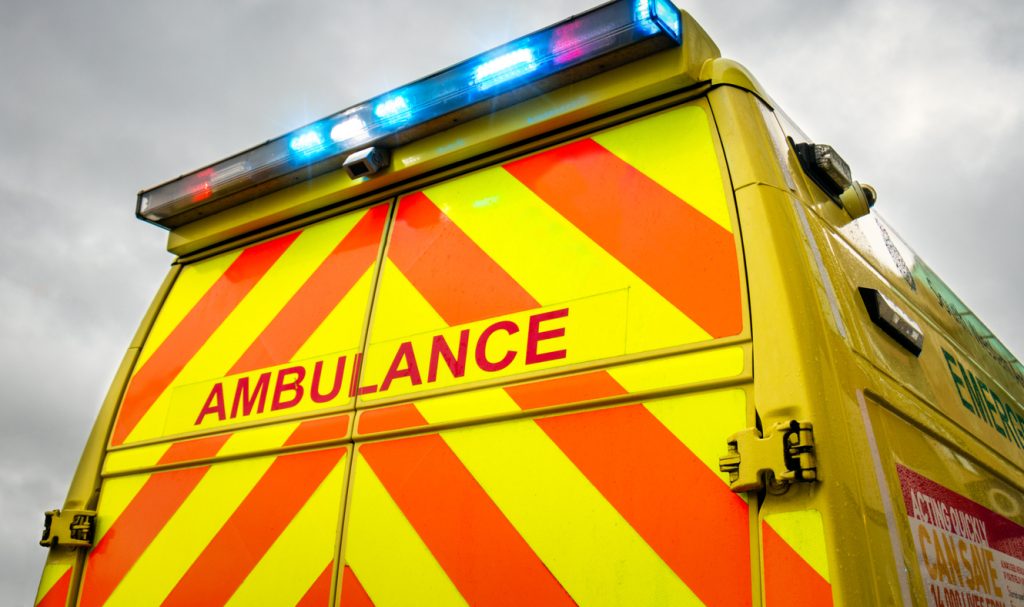
When you need emergency services in Lagos, the first task is getting the right response to the correct location. A police station, fire station, clinic and hospital have different roles. Searching for the nearest building should not delay an emergency call, and a map result does not confirm that the right team or clinical service is immediately available.
Which response or facility do you need?
| Need | Useful action |
|---|---|
| Immediate threat to life, serious incident or fire | Call emergency services and describe the incident and exact location. |
| Police Station | For a non-emergency visit, confirm the station, purpose and appropriate desk before travelling. |
| Fire Station | For an active fire or rescue incident, request emergency response rather than travelling to a station to report it. |
| Hospital | Confirm the relevant emergency department or follow the emergency service’s direction. |
| Clinic | For non-emergency care, confirm the service and clinician availability; not every clinic is an emergency centre. |
| Paediatrics | Use the appropriate urgent-care route for an emergency involving a child; routine clinic sessions are separate. |
How to describe a Lagos location clearly
Give the street, building number or name, area, nearest clear landmark and a reachable callback number. State whether the incident is inside an estate, office complex, market, terminal or on a road. A location pin can support the description, but it should not replace the spoken details an operator asks for. If you are on a road, explain the direction of travel and which side or access point is involved.
If access is controlled, tell the dispatcher about the gate or entry arrangement. Where it is safe and appropriate, someone can be available to identify the entrance without placing themselves in danger. Do not return to a dangerous area to collect belongings or obtain a better photograph. Focus on accurate information and the instructions from the responding service.
Police stations: distinguish an emergency from an administrative visit
For a non-emergency matter, ask the appropriate police channel which station or desk handles the issue and what documents to bring. A nearest-location search does not settle jurisdiction or the process for every report. Save the station’s verified address and ask for directions to the proper reception point rather than relying on an unofficial contact found in a social post.
For an ongoing threat, do not wait to compare directory listings or arrange an ordinary driver trip to a station. Use emergency assistance and follow the advice you receive. Travo’s general service enquiry is not a replacement for the police or a guarantee that an officer has been dispatched.
Fire stations and rescue response
For a fire or rescue incident, provide the location and what is happening when you call. Let the emergency service determine the appropriate response. Do not assume that a service request sent through a business website has reached the fire service, and do not treat a confirmation of message receipt as proof that a response vehicle is on its way.
Once a responding service gives instructions, follow them and communicate meaningful changes through its agreed channel. Keep the access information accurate. Do not make a hazardous journey to a fire station when a direct emergency call is the appropriate way to request help.
Hospitals, clinics and medical transport
For a medical emergency, follow the emergency service’s or clinician’s advice about the appropriate facility and transport. An ordinary car is not an ambulance and cannot provide clinical support during the journey. A nearby clinic may offer consultations without having the staff or equipment required for a particular emergency. Avoid choosing solely by distance without getting appropriate guidance.
For non-emergency planning, the HEFAMAA website is an official source on Lagos facility regulation. Confirm the facility’s registered identity, service, hours and access before a routine visit. If you need a child-health service, ask about the actual paediatric department or clinic session instead of assuming every hospital listing provides it.
What Travo can assist with
Travo’s published catalogue includes emergency connection enquiries and vehicle breakdown support. Such assistance should complement the official response route. For a non-emergency trip after an incident, a family pickup, routine hospital visit, delivery or vehicle recovery, describe the practical task and confirm the service actually arranged. Do not interpret a general booking as clinical care, police protection or fire-service dispatch.
For vehicle breakdowns, explain whether there is a wider danger or incident that needs emergency services as well as recovery. A towing provider needs the vehicle condition, location and receiving garage. The receiving location should be confirmed before collection. Charges, access and availability need a specific agreement rather than a promise based only on a directory category.
Open the emergency location information checklist
Official references: Lagos State emergency lines and LASEMA contact information. For non-emergency transport, delivery or recovery enquiries, use Travo’s contact page and confirm the practical assistance required.
Reviewed 16 October 2026. Availability, prices, access and opening hours should be confirmed for your intended visit.
