


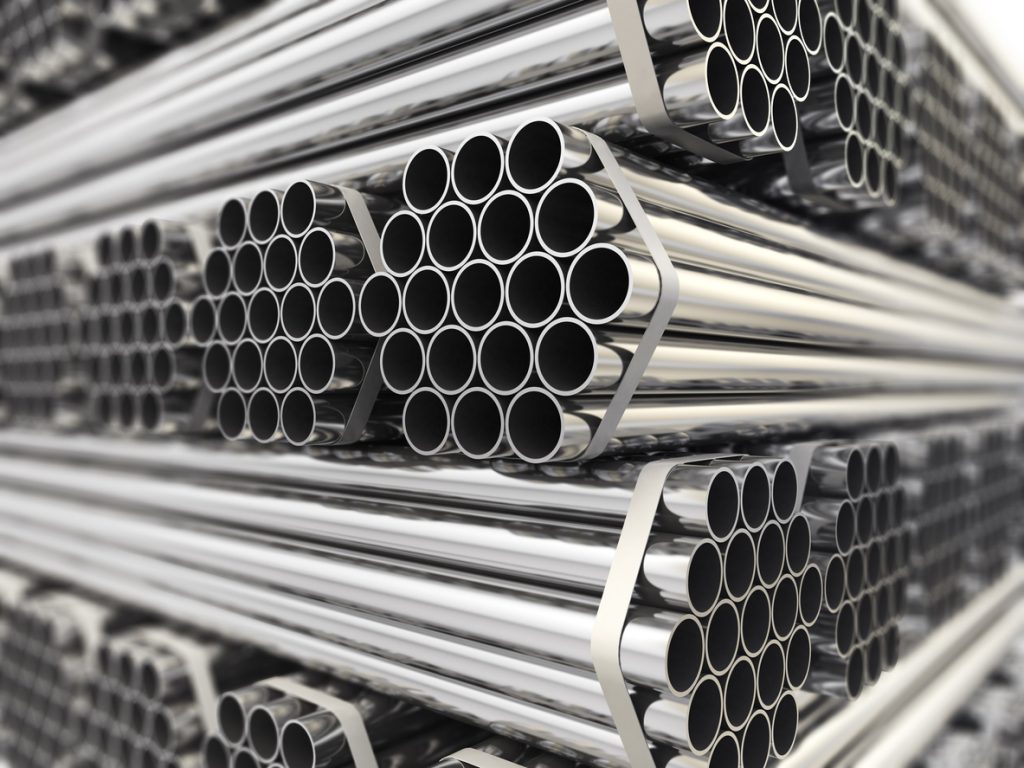
Importing steel rods, metal sheets, pipes, industrial fittings, and construction hardware into Nigeria requires more than arranging transportation. One missing document, incorrect product classification, or unexpected customs inspection can leave valuable materials sitting at the border while project deadlines approach.
For importers, contractors, and building material suppliers, understanding steel & hardware border clearance in Nigeria is essential to avoiding unnecessary delays and additional logistics costs.
Whether your goods are arriving through Seme Border, Idiroko, or a Nigerian seaport, proper documentation and transport coordination can make the process considerably smoother.
What Happens When Steel and Hardware Arrive at the Nigerian Border?
Steel and hardware shipments undergo customs procedures before they can enter Nigeria legally. The exact requirements depend on the product, country of origin, import route, and applicable regulations.
For example, a Lagos construction supplier importing steel pipes from a neighbouring country may need to provide commercial invoices, packing lists, shipping documents, and relevant regulatory approvals.
Customs officers may examine the shipment to confirm that the declared quantities, values, and product descriptions match the actual goods.
Common clearance problems include:
- Incorrect Harmonised System (HS) codes for steel products.
- Missing import permits or conformity documents.
- Differences between declared and actual cargo quantities.
- Unpaid customs duties and applicable taxes.
- Poor coordination between clearing agents and transporters.
These problems can delay deliveries and increase storage, handling, and transportation expenses.
Documents Needed to Clear Steel and Hardware Imports
Before shipping construction materials into Nigeria, importers should confirm the documentation required for their specific products.
Typical documents include:
- Commercial invoice: Shows the value, description, and supplier details.
- Packing list: Identifies the quantity, weight, and packaging of the goods.
- Form M: Required for applicable formal import transactions.
- SONCAP documentation: Required for regulated products covered by Standards Organisation of Nigeria conformity requirements, subject to applicable exemptions.
- Transport documents: Such as a bill of lading or road consignment documentation.
- Customs declaration: Contains the information needed for assessment and clearance.
Requirements can change, so confirm the applicable rules with Nigeria Customs Service and relevant regulatory agencies before dispatch.
How Much Does Steel and Hardware Clearance Cost in Nigeria?
Clearance expenses depend on the shipment’s customs value, tariff classification, applicable duties, taxes, inspection requirements, and handling arrangements.
A shipment of steel reinforcement bars will not necessarily attract the same charges as metal fittings or industrial tools.
Importers should budget for customs assessments, clearing-agent fees, terminal or border handling, and inland transportation.
For example, transporting cleared steel materials from Lagos to Ibadan involves additional costs beyond customs clearance itself.
Request a written breakdown of charges before committing to a shipment. This helps prevent unexpected expenses and makes project budgeting more accurate.
Moving Cleared Steel From the Border to Your Warehouse
Customs release is only one stage of the delivery process.
Heavy steel products require suitable vehicles, proper loading equipment, and secure cargo arrangements. Poor weight distribution or inadequate securing can damage materials and create road safety risks.
For shipments heading to construction sites in Lagos, Ogun, Abuja, or Port Harcourt, transport planning should account for vehicle capacity, road conditions, unloading facilities, and delivery access.
Travo.ng can be approached for cargo logistics and transport coordination, helping businesses plan the movement of cleared materials to warehouses, suppliers, or construction locations, subject to service availability.
Avoid Delays With Better Import and Delivery Planning
Successful steel and hardware border clearance in Nigeria begins before the goods reach the border.
Confirm product classifications, verify regulatory requirements, prepare accurate documentation, and arrange onward transportation early.
Importers should also work with appropriately authorised customs agents for formal clearance procedures.
If your business needs assistance coordinating cargo movement after clearance, contact Travo.ng to discuss your steel and hardware transportation requirements.
With proper preparation and dependable logistics coordination, your materials can reach their intended destination with fewer avoidable disruptions.
