


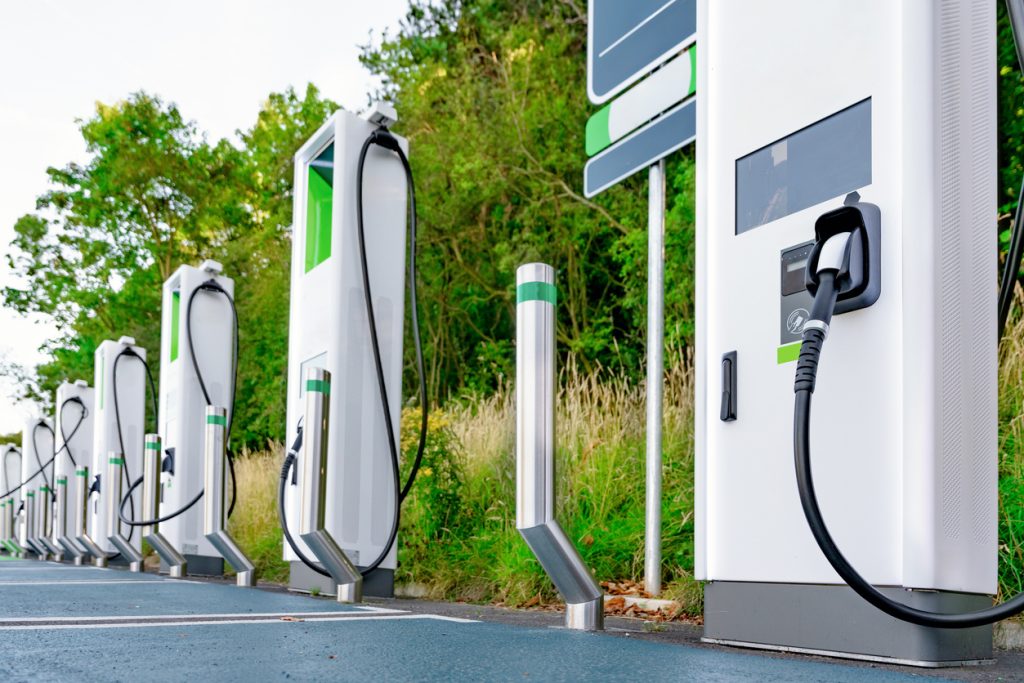
Electric vehicles are gradually becoming part of Africa’s transport industry, but one question remains important: where can drivers reliably charge them? As more businesses explore electric cars, buses, and delivery vehicles, EV charging companies in Africa are developing infrastructure to support cleaner transportation.
In Nigeria, where fuel expenses affect transport operators and everyday commuters, electric mobility presents an interesting alternative. However, charging availability, electricity reliability, and installation costs still influence adoption.
Understanding the companies building Africa’s charging networks can help businesses and drivers prepare for this changing market.
EV Charging Companies Making Progress Across Africa
Several companies are investing in charging infrastructure, although their business models and geographical coverage differ.
1. GridCars in South Africa
GridCars is an established electric vehicle charging infrastructure provider in South Africa.
Its charging network supports electric vehicle owners through public charging locations and charging management technology.
South Africa has one of the continent’s more developed public EV charging markets, particularly around Johannesburg, Cape Town, and major highways.
2. BasiGo in Kenya
BasiGo focuses on electric buses and supporting charging infrastructure in East Africa.
Rather than concentrating on private cars, the company works with public transport operators transitioning from diesel buses to electric alternatives.
This approach is particularly relevant to African cities where commercial buses carry thousands of passengers daily.
3. MAX in Nigeria
MAX is involved in electric mobility and vehicle financing, with activities supporting electric two-wheelers and three-wheelers.
Its electric mobility ecosystem includes battery-swapping infrastructure, an alternative to conventional plug-in charging.
For Nigerian delivery businesses and commercial riders, battery swapping can reduce the time vehicles spend waiting for energy replenishment.
What Does EV Charging Cost in Africa?
Charging expenses depend on electricity tariffs, battery capacity, charging speed, and location.
For example, a vehicle requiring 40 kWh of electricity could cost ₦8,000 to charge at an illustrative electricity rate of ₦200 per kWh.
This is a calculation example, not a verified public charging tariff. Actual costs may include service fees, charging losses, and higher commercial electricity rates.
Businesses operating electric delivery fleets should compare electricity expenses with petrol costs, vehicle maintenance, battery replacement, and charging downtime.
The Challenges Facing EV Charging in Nigeria
Nigeria presents opportunities for electric mobility, particularly in Lagos, Abuja, and other major commercial centres.
However, charging infrastructure faces practical obstacles.
Unreliable electricity supply: Charging operators may require solar installations, battery storage, or backup power systems.
Limited public charging locations: Drivers cannot assume charging facilities are available along every interstate highway.
High installation expenses: Commercial fast chargers require substantial electrical infrastructure and suitable locations.
Long-distance travel concerns: A Lagos-to-Ibadan journey requires careful consideration of battery range, traffic, and charging availability.
These challenges explain why some Nigerian electric mobility businesses are initially focusing on motorcycles, tricycles, and commercial fleets operating predictable routes.
How Electric Mobility Could Change Nigerian Logistics
Electric vehicles could become particularly useful for businesses making frequent deliveries within defined areas.
For example, a delivery company operating between Ikeja, Yaba, and Lagos Island could charge vehicles overnight before dispatching them the following morning.
This arrangement may be easier to manage than interstate journeys requiring multiple charging stops.
Businesses exploring electric fleets must still consider vehicle range, payload weight, traffic delays, and charging schedules.
Travo.ng supports practical transport planning through delivery services, courier coordination, cargo logistics, and business transport solutions. As electric mobility develops, dependable logistics coordination will remain essential regardless of vehicle technology.
Preparing for Africa’s Electric Transport Future
The growth of EV charging companies in Africa signals a gradual shift in how the continent approaches transportation.
For Nigerian businesses, the immediate priority should be understanding operating costs, infrastructure availability, and vehicle suitability before investing.
Electric mobility has considerable potential, but successful adoption depends on reliable charging and realistic transport planning.
For businesses that need dependable movement of goods today, Travo.ng offers delivery, cargo logistics, and transport coordination services designed around practical Nigerian mobility needs.
Explore Travo.ng to arrange transport and logistics support while Africa’s electric vehicle infrastructure continues developing.
