


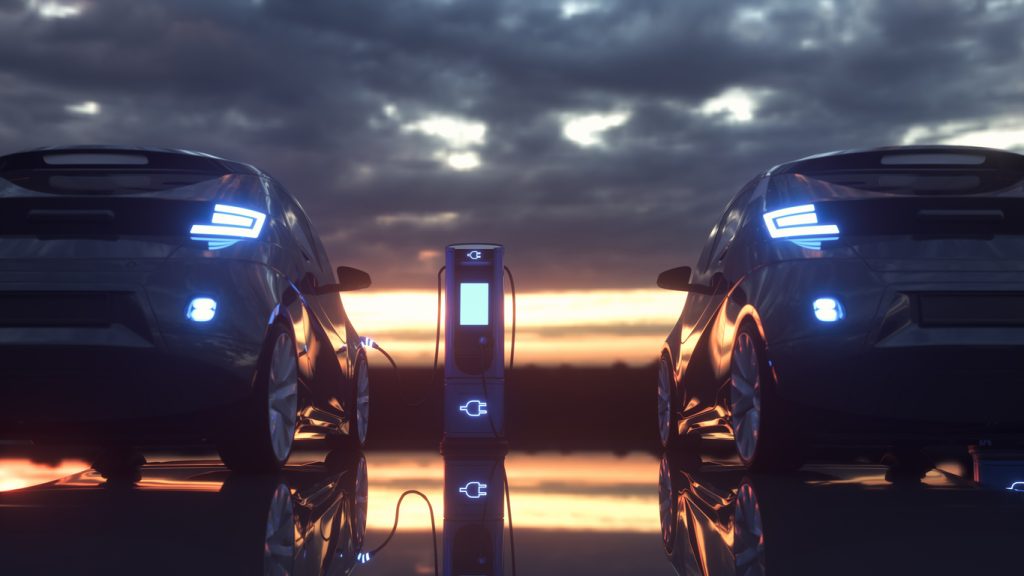
Electric vehicles are gradually changing how people and goods move across Africa. From electric buses in Nairobi to battery-powered motorcycles in Lagos, transport operators are exploring ways to reduce fuel expenses and make daily movement more efficient.
However, electric transport infrastructure in Africa involves much more than introducing electric vehicles. Reliable electricity, accessible charging stations, affordable vehicles and proper maintenance facilities are all necessary to make electric mobility practical.
For Nigerian businesses and commuters, the important question is whether these systems can support everyday transport demands.
Where Electric Transport Is Already Taking Shape
Several African countries are introducing electric mobility solutions, although development differs significantly between markets.
Kenya has attracted investment in electric buses and motorcycles, particularly around Nairobi. Rwanda has also encouraged electric motorcycle adoption, while South Africa continues to develop charging facilities for passenger vehicles.
In Nigeria, electric buses, motorcycles and vehicle assembly initiatives are gaining attention.
Cities such as Lagos and Abuja offer opportunities for electric transport because commercial vehicles frequently operate along predictable routes.
However, unreliable electricity supply and limited public charging facilities remain major obstacles.
Charging Stations Remain a Major Challenge
A delivery company operating electric motorcycles around Ikeja, Yaba and Victoria Island needs dependable charging arrangements.
Without them, riders could spend valuable working hours searching for electricity instead of completing deliveries.
Charging infrastructure must account for several practical requirements:
- Reliable electricity supply and backup power
- Charging locations close to major transport routes
- Affordable electricity tariffs
- Battery maintenance and replacement facilities
- Safe parking and vehicle charging arrangements
Battery-swapping stations may be particularly useful for commercial motorcycles because riders can exchange depleted batteries instead of waiting for lengthy charging sessions.
For interstate journeys, charging availability becomes even more important.
Can Electric Vehicles Handle Nigerian Delivery Operations?
Electric vehicles could work well for businesses operating within defined urban areas.
Consider a Lagos retailer dispatching multiple orders daily between Surulere, Yaba and Ikeja.
An electric delivery motorcycle might reduce daily energy and routine maintenance expenses, depending on electricity prices, vehicle efficiency and battery condition.
However, longer delivery routes require more careful planning.
A logistics operator moving goods from Lagos to Ibadan must consider vehicle range, cargo weight, traffic delays and charging availability.
This is where experienced transport coordination remains important.
Travo.ng supports customers seeking practical delivery, cargo logistics and transport arrangements suited to their movement requirements.
What Electric Transport Could Mean for Businesses
Businesses considering electric vehicles should examine their actual operating patterns before investing.
A company completing short, predictable deliveries may find electric motorcycles easier to manage than a business transporting heavy cargo across several states.
Vehicle purchase prices also tell only part of the story.
Operators must calculate electricity expenses, battery replacement costs, maintenance, charging downtime and the availability of qualified technicians.
For businesses not ready to invest in electric fleets, arranging suitable transport through established logistics providers can offer greater flexibility.
Building Infrastructure That Works Beyond Major Cities
The future of electric transport infrastructure in Africa depends on extending reliable services beyond major commercial centres.
Charging stations along busy corridors such as Lagos–Ibadan and Abuja–Kaduna could eventually support wider electric vehicle adoption.
However, expansion must match electricity reliability, vehicle demand and commercial feasibility.
Transport companies will also need trained technicians, dependable spare parts and realistic charging schedules.
For now, businesses should choose transport solutions based on reliability rather than technology alone.
Whether arranging deliveries, coordinating cargo movement or booking vehicles, Travo.ng helps customers explore practical transport options for their needs.
As electric mobility develops across Africa, the strongest transport systems will combine cleaner technology with dependable infrastructure and effective everyday operations.
