


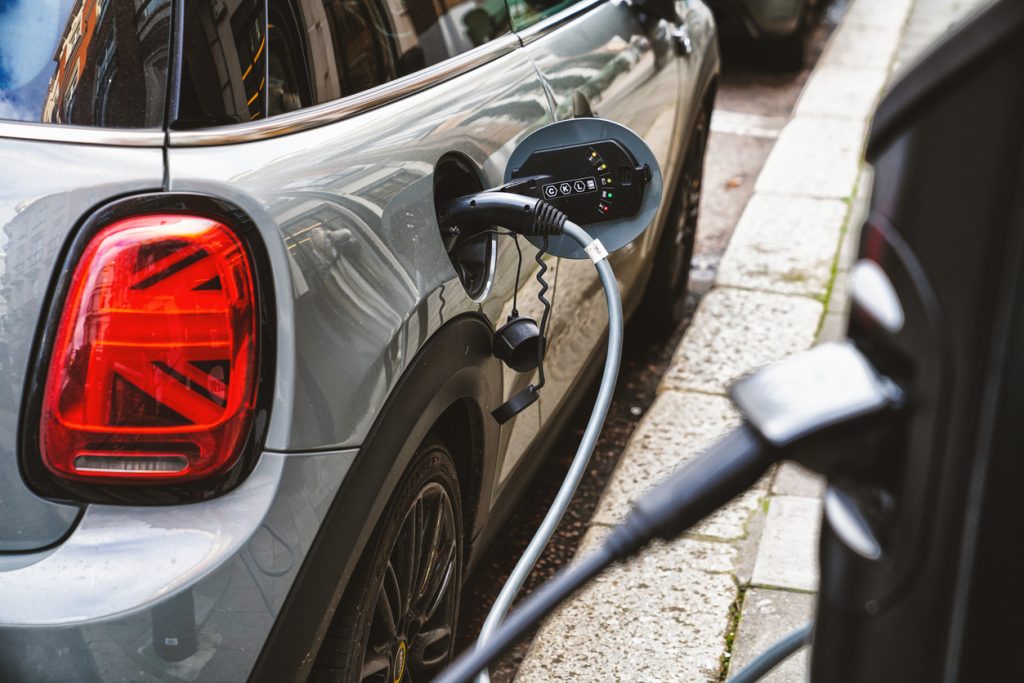
Africa’s transport industry is gradually shifting towards electric vehicles, but making that transition work requires more than importing electric cars and buses. Reliable charging stations, affordable electricity, vehicle maintenance facilities, and accessible financing are equally important.
The development of electric mobility infrastructure in Africa is particularly relevant to countries like Nigeria, where rising petrol and diesel costs continue to affect transportation businesses, delivery companies, and everyday commuters.
For logistics operators and transport providers, the real question is whether electric vehicles can operate reliably on African roads without disrupting daily business activities.
Charging Stations Are Still a Major Challenge
One of the biggest obstacles to electric vehicle adoption across Africa is the limited availability of public charging stations.
In Lagos, for example, a delivery company considering electric motorcycles must think beyond purchasing the vehicles. It needs somewhere to charge them, dependable electricity, and a plan for keeping deliveries moving when batteries run low.
Public charging infrastructure remains unevenly distributed, making electric vehicles easier to operate on predictable urban routes than on long interstate journeys.
For businesses planning electric fleets, practical considerations include:
- Charging facilities at warehouses and transport terminals.
- Backup electricity through solar systems or other reliable power sources.
- Battery-swapping facilities for compatible electric motorcycles.
- Accessible maintenance technicians and replacement parts.
- Charging schedules that do not interrupt deliveries.
Without these arrangements, potential fuel savings can quickly disappear through operational delays.
Why Electric Motorcycles Could Transform Nigerian Deliveries
Electric motorcycles offer one of the more practical opportunities for cleaner transportation in Nigeria.
Consider a courier business operating between Ikeja, Yaba, and Surulere. Its riders may complete several deliveries daily, often covering predictable distances within Lagos.
With appropriate charging arrangements, electric motorcycles could reduce fuel expenditure and some routine maintenance costs.
However, operators must calculate the actual daily distance covered, battery capacity, charging time, electricity costs, and replacement battery expenses before investing.
Businesses using Travo.ng for courier services and delivery coordination can also consider how route planning and consolidated deliveries help reduce unnecessary vehicle movement.
What African Cities Can Learn From Existing Electric Transport Projects
Countries such as Kenya and Rwanda have attracted investment in electric motorcycles and battery-swapping networks, demonstrating how commercial transport can support electric mobility adoption.
These projects offer useful lessons for Nigerian cities.
Instead of building charging stations everywhere immediately, infrastructure developers can prioritise areas where vehicles operate frequently.
Potential locations include commercial districts, logistics warehouses, university environments, bus terminals, and industrial estates.
In Lagos, areas such as Ikeja, Lekki, and Victoria Island could support targeted charging investments where commercial demand justifies them.
The important factor is matching charging capacity with actual vehicle usage rather than installing equipment without sufficient demand.
Interstate Transport Requires a Different Approach
Electric mobility becomes more complicated when vehicles travel between cities.
A commercial vehicle travelling from Lagos to Ibadan or Abuja needs reliable charging opportunities, suitable battery range, and realistic journey planning.
Unlike urban delivery motorcycles that return to a central depot, interstate vehicles may depend on charging infrastructure across multiple locations.
Transport companies must also account for traffic delays, vehicle loads, air-conditioning usage, and charging downtime.
For now, operators evaluating electric interstate fleets should carefully assess route feasibility before replacing conventional vehicles.
Building a More Practical Electric Transport Future
Expanding electric mobility infrastructure in Africa will require cooperation between governments, electricity providers, vehicle manufacturers, charging companies, and transport operators.
Investment should focus on dependable power, affordable vehicles, technical training, and infrastructure that supports real commercial demand.
For Nigerian businesses, the transition does not have to happen overnight. Starting with suitable urban routes, measuring operating costs, and expanding gradually may offer a more sustainable approach.
As transportation technology evolves, Travo.ng remains focused on practical mobility solutions, including transport coordination, vehicle hire arrangements, and logistics support.
Businesses planning deliveries, corporate transportation, or other mobility requirements can explore Travo.ng’s services while evaluating transport options that suit their operational needs.
Africa’s electric transport future will depend not simply on how many electric vehicles arrive, but on whether the infrastructure makes them genuinely useful every day.
