


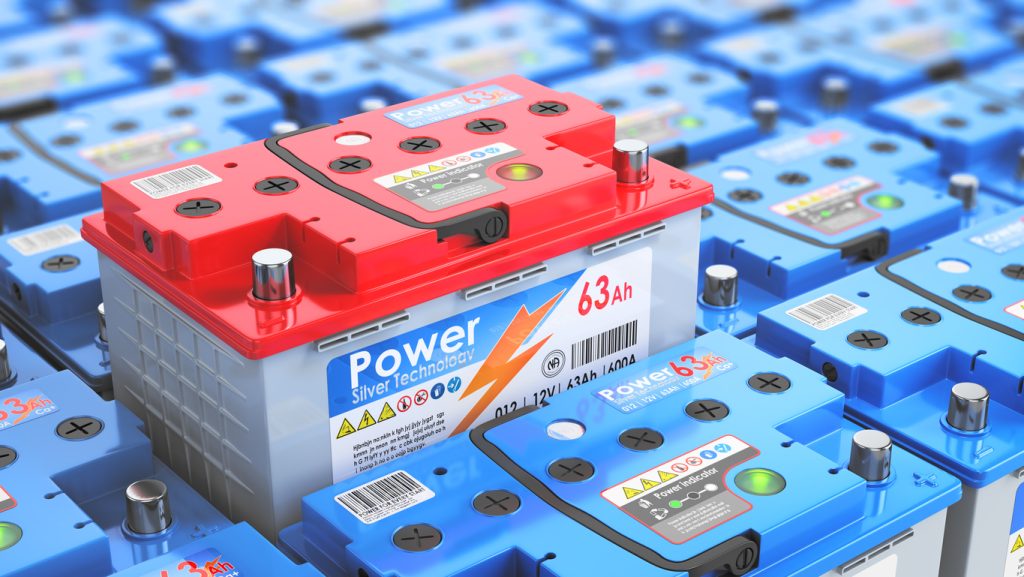
Battery swapping in Africa is becoming an increasingly practical solution for electric mobility, particularly in cities where motorcycles, tricycles, and delivery vehicles operate throughout the day.
Instead of waiting hours for an electric vehicle to recharge, drivers can exchange a depleted battery for a charged one at a designated swapping station.
For commercial riders in Lagos, Nairobi, or Kampala, this approach could mean spending less time charging and more time completing deliveries.
As African cities explore cleaner transportation, battery swapping offers an alternative to conventional charging infrastructure, especially for businesses that depend on vehicles being available throughout the day.
How Battery Swapping Works for Electric Vehicles
The process is relatively straightforward. An electric motorcycle or compatible vehicle arrives at a battery swapping station, where its depleted battery is removed and replaced with a fully charged unit.
Depending on the equipment and station arrangement, the exchange can take only a few minutes.
Most swapping networks operate using compatible batteries and subscription or pay-per-swap payment arrangements.
For example, a delivery rider working between Yaba, Surulere, and Ikeja could exchange a battery during the working day rather than returning home to recharge.
However, battery compatibility matters. Drivers generally cannot exchange batteries between unrelated vehicle brands or swapping networks.
Where Battery Swapping Is Growing Across Africa
<text preserveWhitespace>{“”}</text>
Electric motorcycle swapping networks are gaining attention in several African markets.
In Kenya, companies such as Roam and Ampersand have developed electric motorcycle solutions, while battery swapping operations are also expanding in Rwanda and Uganda.
Nigeria presents a different opportunity.
Cities such as Lagos, Abuja, and Ibadan have significant demand for commercial motorcycles where permitted, delivery vehicles, and affordable urban transportation.
However, electricity reliability, charging infrastructure, vehicle costs, and local transport regulations remain important considerations.
For battery swapping to work commercially, operators need stations positioned close to busy transport corridors and delivery clusters.
What Battery Swapping Could Mean for Nigerian Delivery Businesses
For logistics companies, vehicle downtime directly affects operating costs.
Consider a courier business handling multiple deliveries between Ikeja and Victoria Island.
A conventional electric motorcycle may need several hours of charging, depending on its battery and charger.
With a compatible swapping network, the rider could replace the battery and continue working.
Potential operational advantages include:
- Reduced charging-related downtime during delivery shifts.
- More predictable vehicle availability.
- Lower dependence on individual riders having home charging facilities.
- Centralised battery maintenance and monitoring.
- Opportunities to manage energy costs through commercial swapping plans.
These advantages depend on reliable station availability, suitable vehicles, and affordable swapping fees.
The Costs Operators Should Check Before Switching
Battery swapping does not automatically make electric transport cheaper.
Businesses must compare vehicle purchase prices, swapping subscriptions, daily mileage, maintenance, and station coverage.
A rider completing 100 kilometres daily, for example, needs to know whether the available battery capacity and swapping locations can support that distance.
Station queues, network outages, and additional travel to exchange batteries can also affect productivity.
Operators should request clear pricing and test vehicles on their actual delivery routes before committing to a fleet.
How Battery Swapping Fits Into Africa’s Transport Future
Battery swapping in Africa could become especially useful for commercial motorcycles, urban delivery fleets, and other vehicles with predictable daily routes.
However, wider adoption will require investment in infrastructure, battery standards, reliable electricity, and practical financing.
For businesses planning transport operations in Nigeria, the immediate priority remains dependable vehicle availability and efficient delivery coordination.
Travo.ng supports these broader mobility needs through transport coordination and logistics services, helping customers arrange practical movement and delivery solutions.
As electric mobility develops, businesses can explore emerging technologies while continuing to prioritise reliable operations.
Planning deliveries or business transportation in Nigeria? Explore Travo.ng’s logistics and transport coordination services to find a practical solution for your needs.
