


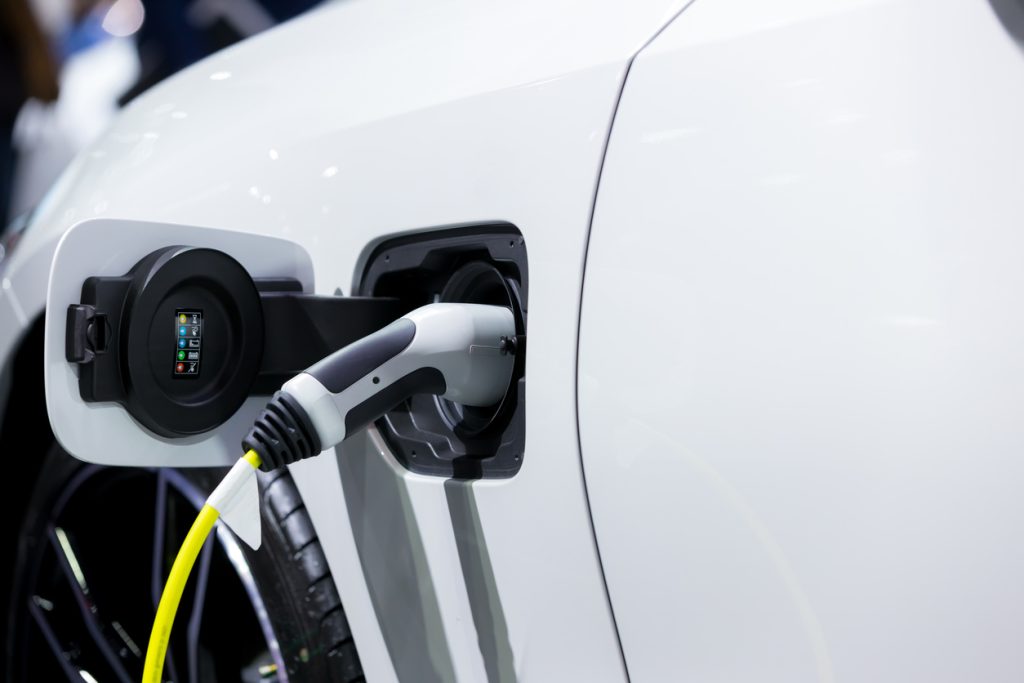
Electric vehicles are gradually finding their place on African roads, but charging remains a major concern. In countries like Nigeria, where electricity supply can be unpredictable, depending entirely on the national grid creates challenges for EV owners and transport operators.
This is where solar EV charging in Africa offers a practical alternative. By using sunlight to generate electricity, charging stations can reduce dependence on grid power and potentially lower long-term operating costs.
For businesses considering electric delivery vehicles, fleet operators, and everyday drivers, understanding how solar charging works is becoming increasingly important.
How Solar-Powered EV Charging Actually Works
Solar charging stations use photovoltaic panels to convert sunlight into electricity. That electricity can charge vehicles directly or be stored in batteries for later use.
A typical installation includes solar panels, inverters, charging equipment, and sometimes battery storage.
In Lagos, for example, a delivery company operating electric motorcycles could install solar panels at its depot. Vehicles returning between delivery shifts could recharge during daylight hours, reducing reliance on petrol generators or unreliable grid supply.
However, charging capacity depends on panel size, sunlight availability, battery storage, and vehicle energy requirements.
What It Costs to Set Up Solar EV Charging in Nigeria
Installation costs vary considerably depending on the charging capacity and equipment selected.
A small solar-supported charging setup for electric motorcycles may cost significantly less than a commercial station designed for multiple electric cars.
Businesses should budget for:
- Solar panels and mounting structures
- Inverters and compatible EV chargers
- Battery storage where necessary
- Electrical installation and safety equipment
- Maintenance and equipment replacement
A 10 kW solar array might generate roughly 35–45 kWh on a reasonably sunny Nigerian day, depending on weather and system losses.
That energy could support several electric motorcycle charging sessions or contribute substantially to charging a passenger EV.
Before investing, operators should calculate daily vehicle energy consumption rather than selecting equipment based on panel capacity alone.
Why Lagos, Abuja and Other African Cities Need Different Charging Plans
Charging infrastructure must reflect local transport conditions.
In Lagos, traffic congestion and unpredictable journey times make depot charging particularly useful for delivery fleets. Vehicles can recharge while awaiting their next assignments.
In Abuja, organisations operating vehicles along predictable routes may find scheduled workplace charging practical.
For longer journeys, such as Lagos to Ibadan or Abuja to Kaduna, charging availability becomes more complicated.
Drivers must confirm that suitable chargers are operational, accessible, and compatible with their vehicles before departure.
Solar charging also requires realistic expectations during rainy periods, when electricity generation may decline.
Can Solar Charging Support Delivery and Logistics Businesses?
Electric motorcycles and smaller delivery vehicles present promising opportunities because their energy requirements are generally lower than those of larger commercial vehicles.
A business completing short-distance deliveries around Ikeja, Yaba, or Lekki could potentially combine electric vehicles with solar-supported depot charging.
However, operators must consider daily mileage, charging time, payload capacity, and vehicle downtime.
For businesses not yet ready to invest in electric fleets, Travo.ng offers practical delivery, courier, and transport coordination services that can help manage existing logistics requirements while they evaluate future mobility options.
What African EV Owners Should Check Before Relying on Solar Charging
Solar-powered charging can be useful, but successful adoption requires careful planning.
Vehicle owners should confirm charger compatibility, available charging capacity, backup electricity arrangements, and maintenance support.
Businesses should also compare installation expenses against expected electricity savings over several years.
The future of solar EV charging in Africa will depend on affordable equipment, reliable infrastructure, and charging systems designed around actual transport needs.
As cleaner mobility develops across Nigeria, practical journey planning remains essential. Whether coordinating deliveries, arranging vehicle hire, or organising business transport, Travo.ng helps customers manage their mobility needs while the wider transport industry continues to evolve.
