


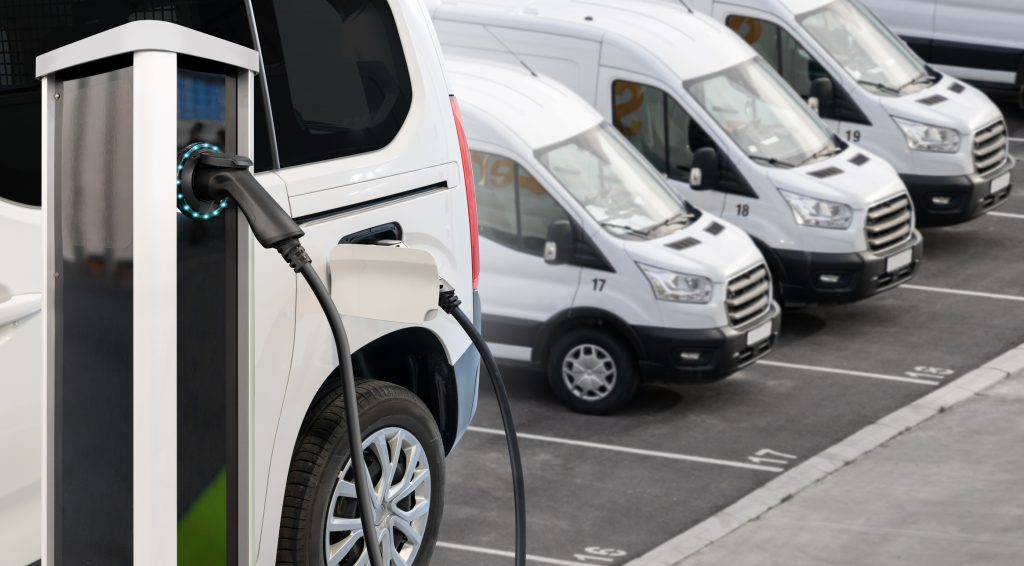
EV charging in Africa is becoming an important part of the continent’s changing transport industry. As fuel prices rise and businesses search for cheaper ways to operate vehicles, electric mobility is attracting attention across Nigeria, Kenya, South Africa, and other African markets.
However, buying an electric vehicle is only one part of the decision. Drivers and transport companies must also consider charging availability, electricity reliability, battery range, and operating costs.
For Nigerian businesses exploring electric transport, understanding these challenges can prevent expensive mistakes.
Where EV Charging Infrastructure Is Growing Across Africa
Electric vehicle adoption is developing at different speeds across African countries.
South Africa has an expanding network of public charging stations, particularly around major cities and important highways.
Kenya is experiencing growing interest in electric motorcycles, buses, and commercial vehicles, supported by charging and battery-swapping initiatives.
Nigeria’s electric mobility market is still developing, with activity concentrated around cities such as Lagos and Abuja.
However, charging availability remains limited compared with conventional petrol stations.
This means drivers cannot always assume they will find a working charger along their journey.
What Does It Cost to Charge an Electric Vehicle in Nigeria?
Electric vehicle charging costs depend on electricity tariffs, battery capacity, and charging arrangements.
Consider an electric car with a 40 kWh battery.
If electricity costs ₦200 per kilowatt-hour, a theoretical full charge would cost approximately ₦8,000 before accounting for charging losses.
Actual expenses may be higher because of:
- Electricity tariff differences
- Generator or backup power expenses
- Public charging service fees
- Charging equipment installation
- Battery charging inefficiencies
For businesses operating delivery vehicles, comparing electricity expenses against petrol consumption helps determine whether switching makes financial sense.
Why Reliable Electricity Remains a Major Challenge
One major obstacle facing EV charging in Africa is inconsistent electricity supply.
In Nigerian cities, charging operators may need backup batteries, solar installations, or alternative power sources.
These investments increase initial infrastructure costs.
For example, a logistics company operating electric delivery vans around Ikeja, Yaba, and Lekki must ensure vehicles can recharge between assignments.
Without dependable charging arrangements, unexpected downtime could delay customer deliveries.
This makes charging infrastructure planning just as important as vehicle selection.
Can Electric Vehicles Handle Interstate Travel in Nigeria?
Electric vehicles can support interstate journeys, but route planning is essential.
A Lagos-to-Ibadan journey may be manageable for many modern electric cars, depending on battery capacity, traffic, and vehicle efficiency.
Longer routes, including Lagos to Abuja, require more careful consideration.
Drivers should confirm charging locations, connector compatibility, charger availability, and alternative arrangements before departure.
For now, electric vehicles may be particularly practical for predictable urban routes where charging facilities are available at a central location.
How Electric Mobility Could Change Nigerian Logistics
Electric motorcycles and delivery vans could become increasingly useful for businesses handling regular urban deliveries.
Companies operating fixed routes may benefit from lower energy expenses and reduced maintenance requirements.
However, vehicle acquisition costs, battery replacement expenses, and charging reliability must be considered.
Businesses using Travo.ng for courier services, transport coordination, and business logistics support can continue planning practical delivery arrangements while monitoring opportunities created by electric mobility.
The priority should always be dependable transportation rather than adopting new technology without adequate preparation.
What Businesses Should Consider Before Switching
Before investing in electric vehicles, Nigerian transport operators should examine daily mileage, charging access, electricity expenses, and vehicle downtime.
Starting with a small fleet operating predictable routes can help businesses evaluate actual performance before expanding.
EV charging in Africa will continue to influence transportation investment, but successful adoption depends on infrastructure that works under local conditions.
For businesses and individuals needing practical transport and logistics arrangements today, Travo.ng provides a starting point for exploring delivery, vehicle hire, and transport coordination services across Nigeria.
