


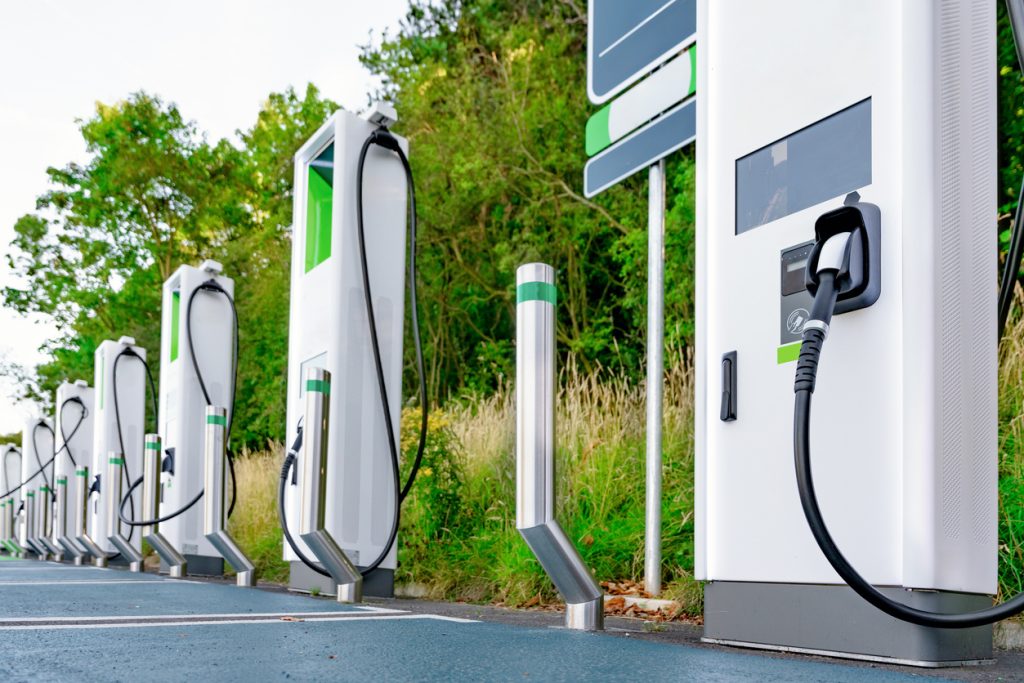
Electric vehicle charging in Africa is becoming an important part of the continent’s changing transport industry. As fuel prices fluctuate and businesses search for cheaper ways to operate vehicles, electric mobility is attracting attention in countries such as Nigeria, Kenya, South Africa, and Rwanda.
However, switching from petrol-powered vehicles to electric cars involves more than buying a new vehicle. Drivers need reliable electricity, accessible charging stations, affordable maintenance, and practical solutions for everyday journeys.
For Nigerian businesses managing delivery fleets or passenger transport, understanding how charging infrastructure works can help determine whether electric vehicles are a sensible investment.
Where Electric Vehicle Charging Is Growing Across Africa
Electric vehicle adoption is developing at different speeds across African countries.
South Africa has a growing network of public charging stations, particularly around major cities and established road corridors.
Kenya is seeing increased interest in electric motorcycles, buses, and commercial vehicles, especially around Nairobi.
Rwanda has also encouraged electric mobility, with electric motorcycles becoming part of urban transport discussions.
In Nigeria, charging infrastructure remains limited compared with conventional petrol stations. Lagos and Abuja are important markets for emerging electric mobility projects, although charging availability varies significantly.
For drivers considering electric vehicles, checking available charging locations before purchasing remains essential.
What Does It Cost to Charge an Electric Vehicle in Nigeria?
Charging costs depend on electricity tariffs, battery capacity, and whether the vehicle uses home or commercial charging.
Consider an electric car with a 40 kWh battery.
If electricity costs ₦200 per kWh, a theoretical full charge would cost approximately ₦8,000 before accounting for charging losses.
Actual expenses may be higher depending on electricity supply arrangements, charging efficiency, and commercial station fees.
Businesses should also consider:
- Electricity availability at their operating location.
- Installation costs for dedicated charging equipment.
- Battery capacity and daily driving distance.
- Generator or alternative power requirements.
- Maintenance and charging downtime.
For delivery companies operating predictable routes within Lagos, overnight depot charging may be more practical than relying entirely on public stations.
Can Electric Vehicles Handle Nigerian Delivery Routes?
Electric vehicles can work effectively for certain Nigerian logistics operations, particularly when journeys are planned around available charging facilities.
A delivery vehicle moving parcels between Ikeja, Maryland, and Yaba may return to the same depot each evening, making scheduled charging easier.
However, interstate journeys require additional planning.
A vehicle travelling from Lagos to Ibadan or Abuja must have sufficient battery range and access to suitable charging facilities.
Traffic congestion, air conditioning, vehicle loads, and road conditions can also influence electricity consumption.
Businesses considering electric fleets should evaluate actual route distances rather than relying exclusively on manufacturers’ advertised driving ranges.
The Biggest Charging Challenges Nigerian Drivers Face
Despite growing interest, several obstacles affect electric mobility adoption.
Unreliable electricity supply can make charging schedules difficult, especially for businesses operating continuously.
Public charging stations are also less widespread than petrol stations, creating concerns about longer journeys.
Another challenge involves charging compatibility. Not every charging connector works with every electric vehicle.
Before investing, drivers should confirm the vehicle’s charging standard, available equipment, and local technical support.
For commercial operators, having backup transport arrangements can prevent unexpected charging delays from disrupting customer deliveries.
How Travo.ng Supports Smarter Transport Planning
As electric mobility develops, transport planning remains essential for individuals and businesses.
Travo.ng provides practical transport and logistics coordination services, including vehicle hire arrangements, courier services, cargo movement, and business delivery support.
Companies exploring electric fleets can use existing logistics arrangements to maintain deliveries while evaluating new vehicle technologies.
For example, a Lagos business testing electric delivery vehicles may still require conventional transport support for longer interstate shipments.
Combining reliable logistics coordination with emerging mobility solutions helps businesses manage operational risks.
What Comes Next for Electric Mobility in Africa?
The future of electric vehicle charging in Africa will depend on electricity reliability, infrastructure investment, affordable vehicles, and charging accessibility.
For Nigeria, commercial delivery fleets, urban transport operators, and businesses with predictable routes may offer practical opportunities for adoption.
Until charging networks become more widespread, careful journey planning will remain important.
Whether your business uses electric vehicles or conventional transport, Travo.ng can help coordinate deliveries, vehicle hire, and cargo logistics across Nigeria.
Explore Travo.ng’s transport and logistics services to plan your next movement with greater convenience.
