


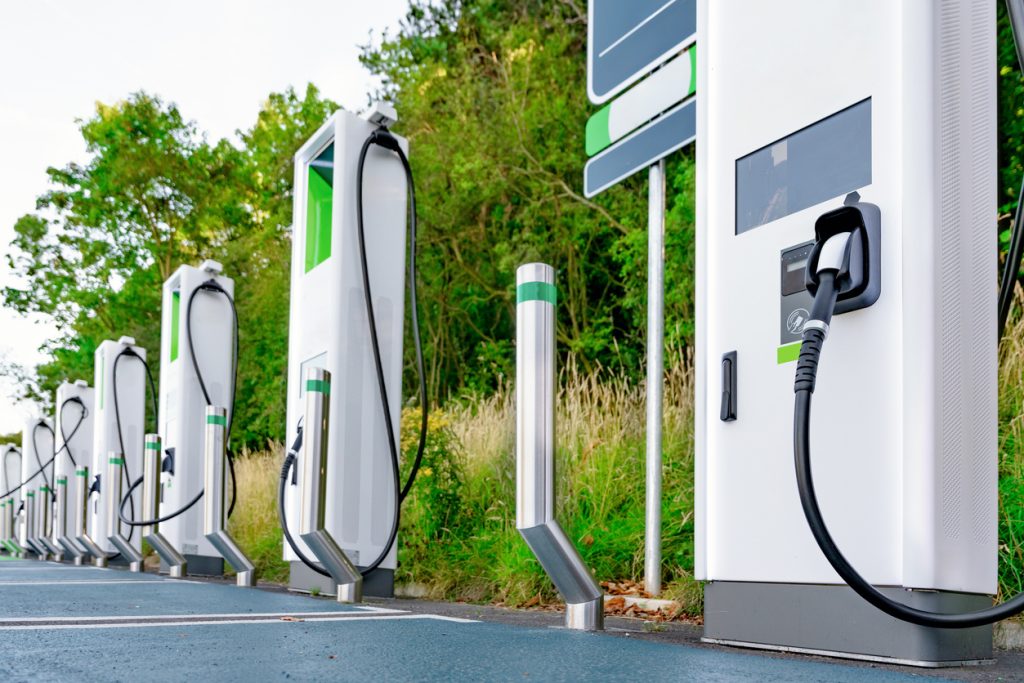
Nigeria’s transport industry is changing as businesses search for cheaper ways to move people and goods. With unpredictable petrol prices, expensive vehicle maintenance, and rising delivery costs, electric vehicles are attracting serious attention.
An electric mobility startup in Nigeria is entering a market where transport operators need practical solutions that reduce daily expenses without disrupting their operations.
From electric motorcycles used for deliveries in Lagos to battery-powered buses being introduced for passenger transport, electric mobility is gradually becoming a realistic option for Nigerian businesses.
How Electric Vehicles Are Entering Nigeria’s Transport Market
Electric mobility is no longer limited to private cars. Nigerian startups are exploring electric motorcycles, tricycles, buses, and fleet management systems.
In Lagos, delivery businesses operating around Lekki, Victoria Island, and Ikeja face substantial daily fuel expenses. Electric motorcycles could help reduce these costs, particularly when riders follow predictable routes.
Companies such as MAX and Spiro have been involved in expanding electric two-wheeler mobility in African markets, including Nigeria.
However, successful adoption depends on more than purchasing vehicles. Operators also need reliable charging facilities, replacement batteries, maintenance support, and trained technicians.
What It Costs to Operate an Electric Delivery Motorcycle
For delivery companies, operating costs often determine whether switching to electric vehicles makes financial sense.
Consider a petrol-powered motorcycle covering approximately 100 kilometres daily.
If it consumes 3 litres of petrol and petrol costs an illustrative ₦1,000 per litre, daily fuel expenditure reaches ₦3,000.
An electric motorcycle consuming approximately 4 kWh over the same distance could cost ₦800 in electricity at an assumed ₦200 per kWh.
That creates a potential daily energy-cost difference of ₦2,200.
These figures are examples rather than current market quotations. Actual savings depend on electricity tariffs, charging efficiency, battery rental fees, vehicle performance, and maintenance costs.
Businesses must also consider the initial purchase price before calculating long-term savings.
Why Lagos Delivery Businesses Are Interested in Electric Mobility
Lagos presents significant opportunities for electric transport because commercial motorcycles and delivery vehicles frequently operate within defined service areas.
A courier company serving Lekki Phase 1, Ikate, and Victoria Island might complete several deliveries without travelling across the entire city.
This operating pattern can make electric motorcycles practical when charging or battery-swapping facilities are accessible.
However, traffic congestion, flooding, poor road conditions, and limited charging infrastructure remain challenges.
Businesses considering electric fleets should evaluate their busiest routes before investing.
For companies that are not ready to purchase vehicles, Travo.ng provides a practical starting point for exploring courier services, delivery coordination, and business logistics support without immediately committing to fleet ownership.
What Electric Mobility Startups Must Get Right in Nigeria
Launching an electric transport business requires more than importing battery-powered vehicles.
Operators must understand local conditions and customer expectations.
Important considerations include:
- Charging access: Vehicles need dependable charging or battery-swapping arrangements.
- Battery performance: Range should accommodate traffic delays and daily delivery distances.
- Maintenance: Technicians must understand electric drivetrains and battery systems.
- Financing: Affordable leasing or payment arrangements can encourage adoption.
- Route planning: Efficient dispatching reduces unnecessary travel and energy consumption.
For interstate operations, charging availability becomes particularly important. A vehicle suitable for deliveries within Lagos may not be appropriate for long-distance cargo movement between Lagos and Abuja.
How Travo.ng Supports Smarter Transport Planning
As electric mobility develops, Nigerian businesses still need dependable ways to manage deliveries, cargo movement, and transportation.
Travo.ng helps customers explore practical logistics and transport coordination options suited to their operational requirements.
Businesses evaluating electric fleets can begin by reviewing their existing delivery routes, shipment volumes, and transportation expenses.
This information makes it easier to determine where electric vehicles could eventually reduce costs and where conventional transport remains necessary.
Where Nigeria’s Electric Transport Industry Is Heading
The future of electric mobility in Nigeria will depend on affordability, dependable infrastructure, and commercial practicality.
Electric motorcycles may become increasingly attractive for urban deliveries, while electric buses could support organised passenger transport.
For an electric mobility startup in Nigeria, the strongest opportunities lie in solving everyday transportation problems rather than simply introducing new technology.
Businesses planning deliveries or transport operations can explore Travo.ng’s logistics, courier, and transport coordination services to find solutions that match their current needs while preparing for a changing mobility market.
