


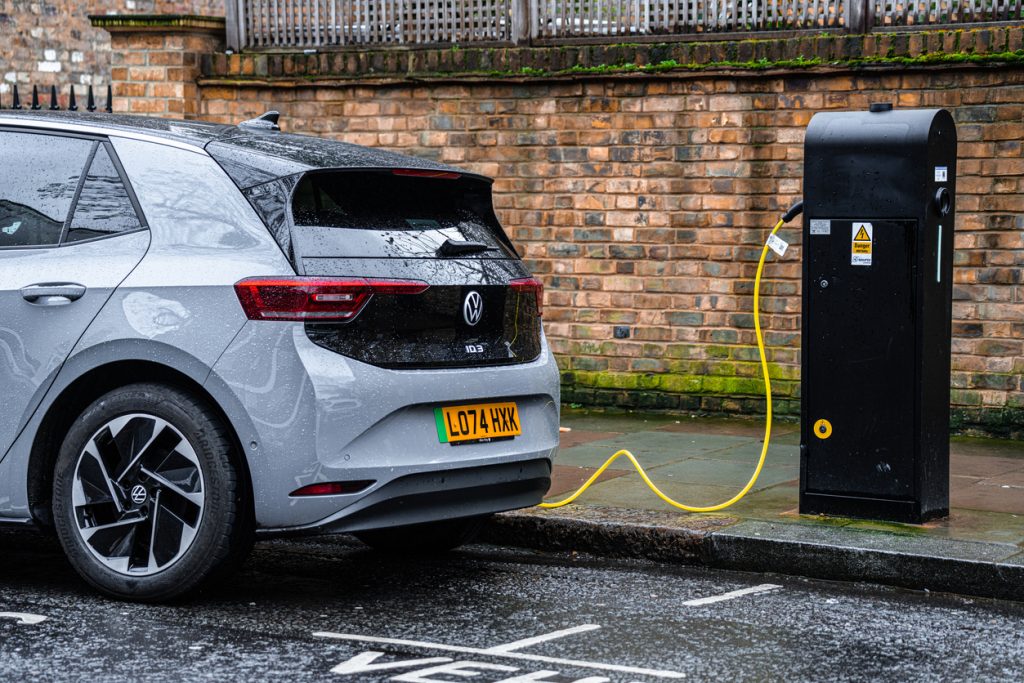
Electric vehicles are gradually gaining attention in Nigeria, but charging remains a major concern for drivers and businesses considering the switch. With inconsistent electricity supply, rising energy costs, and limited public charging infrastructure, relying entirely on the national grid can be difficult.
This is where solar powered EV charging in Nigeria offers a practical alternative. By converting sunlight into electricity, solar charging systems can reduce dependence on grid power and help electric vehicle owners manage their running costs.
For businesses operating delivery vehicles, corporate fleets, or private transport services, solar charging could also make electric mobility more practical.
How Solar Powered EV Charging Works in Nigeria
Solar EV charging systems use photovoltaic panels to generate electricity from sunlight. The electricity passes through an inverter and supporting electrical equipment before reaching a compatible vehicle charger.
Depending on the installation, the system may include battery storage to support charging during cloudy weather or after sunset.
There are three common arrangements:
- Direct solar charging: Uses available solar electricity during daylight hours.
- Solar with battery storage: Stores excess electricity for later charging.
- Hybrid charging: Combines solar power with grid electricity or another backup source.
For Nigerian businesses, hybrid systems are often worth considering because charging requirements may continue beyond daylight hours.
What Does Solar EV Charging Cost in Lagos?
Installing solar powered EV charging in Nigeria requires more than purchasing solar panels.
The total investment depends on the vehicle’s battery capacity, daily driving distance, charging speed, inverter specifications, and battery storage requirements.
For example, a delivery vehicle consuming approximately 15 kWh per 100 kilometres would need around 12 kWh for an 80-kilometre journey.
Accounting for charging losses, the electricity requirement would be slightly higher.
A properly designed solar installation must therefore consider daily energy consumption rather than simply matching the vehicle’s advertised battery capacity.
Businesses in Lagos should request a detailed site assessment before committing to equipment purchases. Installation costs vary significantly, especially when battery storage is included.
Where Solar EV Charging Makes Practical Sense
Solar charging works particularly well where vehicles return to a predictable location.
A logistics company operating delivery vans between Ikeja, Maryland, and Victoria Island could charge vehicles at its depot between scheduled trips.
Similarly, hotels, office complexes, and residential estates in Lekki or Abuja may consider solar-assisted charging facilities for vehicles parked during the day.
However, businesses operating vehicles continuously may require additional charging capacity or backup electricity.
The most suitable arrangement depends on vehicle availability, daily mileage, and charging schedules.
Challenges Businesses Should Plan For
Despite Nigeria’s strong solar potential, installation requires careful planning.
Common challenges include:
- Limited rooftop space for sufficient solar panels.
- High initial equipment and battery storage costs.
- Reduced electricity generation during cloudy weather.
- Compatibility between charging equipment and vehicles.
- Maintenance requirements and electrical safety considerations.
Companies should also work with qualified installers who understand inverter sizing, electrical protection, and EV charging standards.
Poor system design can create charging delays and unnecessary operating expenses.
Making Electric Transport More Practical With Travo.ng
Switching to electric vehicles involves more than choosing a charging system. Businesses must also consider route planning, vehicle availability, and delivery schedules.
Travo.ng supports businesses through transport coordination, courier services, cargo logistics, and vehicle hire arrangements.
These services can help companies maintain reliable transport operations while assessing opportunities to introduce electric vehicles.
For businesses exploring solar powered EV charging in Nigeria, combining appropriate charging infrastructure with realistic transport planning is essential.
With proper installation, energy management, and operational planning, solar charging can support a more affordable and sustainable future for electric mobility in Nigeria.
Is this conversation helpful so far?
