


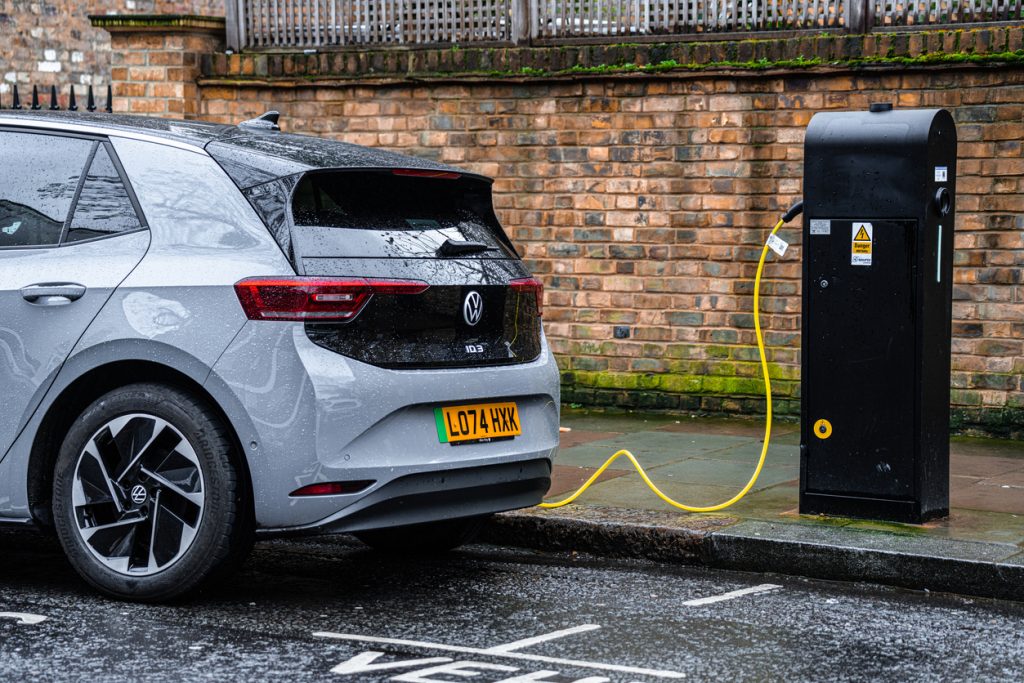
Solar EV charging in Nigeria is becoming an attractive option for electric vehicle owners and businesses looking to reduce dependence on petrol generators and unreliable grid electricity. With rising energy costs and growing interest in electric mobility, solar-powered charging offers a practical alternative for keeping vehicles operational.
However, installing solar panels alone does not guarantee reliable vehicle charging. Battery capacity, charging speed, installation costs, and daily vehicle usage must all be considered.
For businesses operating delivery vehicles in Lagos, Abuja, or Port Harcourt, getting these details right can make the difference between dependable transport and expensive operational delays.
How Solar EV Charging Works in Nigeria
A solar-powered EV charging system uses photovoltaic panels to generate electricity from sunlight. The electricity passes through an inverter and supporting equipment before powering a compatible electric vehicle charger.
Depending on the installation, the system may include battery storage to support charging at night or during cloudy weather.
Three common configurations include:
- Solar-only charging: Uses available sunlight, making daytime charging more practical.
- Solar with battery storage: Stores electricity for evening charging and periods of reduced sunlight.
- Hybrid solar charging: Combines solar energy, batteries, and grid electricity for greater flexibility.
For Nigerian businesses, hybrid systems are often worth considering because vehicle schedules may not match peak sunlight hours.
What Solar EV Charging in Nigeria Actually Costs
The cost of installing a solar EV charging system depends on vehicle battery size, charging requirements, solar panel capacity, and whether energy storage is included.
A vehicle requiring 20 kWh of electricity daily needs considerably more solar generation than one requiring only 8 kWh.
Installation expenses generally cover solar panels, inverters, mounting structures, protective electrical equipment, EV chargers, wiring, and optional batteries.
Before requesting quotations, vehicle owners should establish:
- Their average daily driving distance.
- The vehicle’s electricity consumption per kilometre.
- Available roof or ground space for solar panels.
- Required charging hours and charger compatibility.
- Whether backup electricity is necessary.
Comparing quotations based on usable energy output rather than equipment prices alone helps prevent undersized installations.
Managing Electric Vehicle Charging During Lagos Power Interruptions
In Lagos, charging reliability becomes especially important for businesses operating vehicles around Ikeja, Lekki, Victoria Island, and Surulere.
A delivery vehicle returning late from several customer locations may need charging before another assignment the following morning.
Without sufficient battery storage or backup electricity, overnight charging can become difficult.
Businesses should therefore coordinate charging schedules with vehicle dispatch times.
For example, vehicles parked during afternoon hours can use available solar generation, while those operating throughout the day may require stored electricity overnight.
Travo.ng supports transport coordination and business logistics planning, helping companies organise vehicle movements around practical operational requirements.
Can Solar Charging Support Commercial EV Fleets?
Solar charging can support electric delivery vans, corporate vehicles, and other commercial EVs, provided the installation matches actual fleet energy demand.
A company operating five electric vehicles should calculate combined daily electricity consumption rather than installing chargers based only on the number of vehicles.
Charging schedules must also account for unexpected deliveries, traffic congestion, and longer interstate assignments.
Businesses considering electric fleet operations can combine solar charging plans with Travo.ng vehicle hire coordination, delivery services, and logistics support.
This helps maintain transport continuity while companies assess their long-term electric mobility requirements.
Planning a Reliable Solar EV Charging Setup
Before investing, request a professional energy assessment and confirm that the installer understands EV charging requirements.
Check equipment warranties, electrical protection, maintenance arrangements, and battery replacement costs.
For Nigerian households and commercial operators, solar EV charging in Nigeria works best when electricity generation, storage capacity, and transport schedules are planned together.
Travo.ng can assist with related transport and logistics coordination, allowing businesses to focus on developing practical, cost-conscious electric mobility operations.
Is this conversation helpful so far?
