


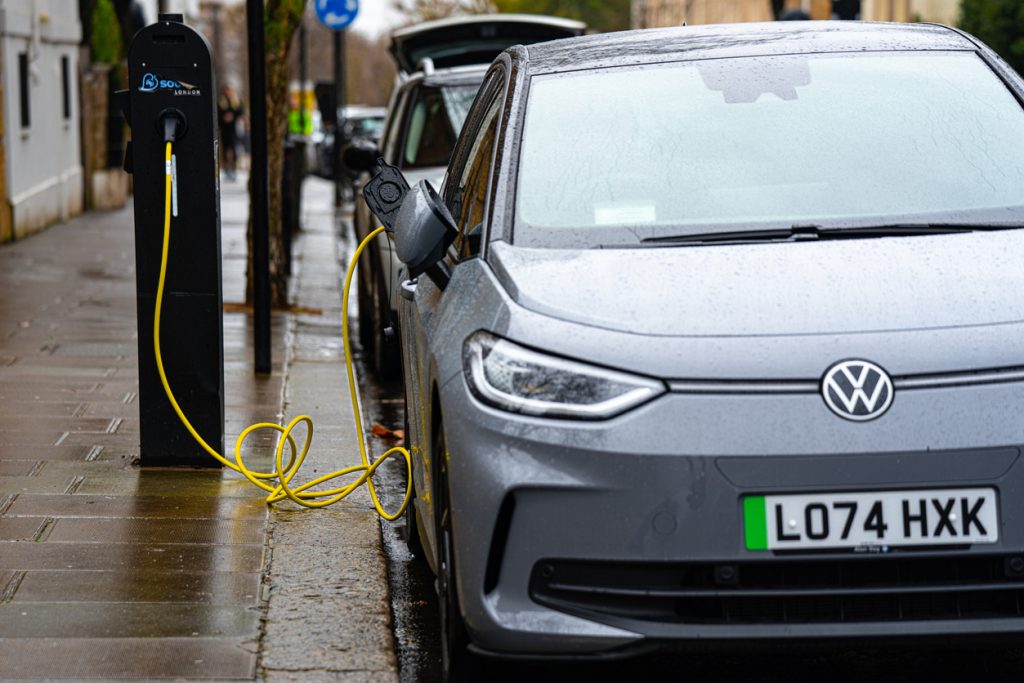
Finding a reliable DC fast charger in Nigeria is becoming increasingly important as more businesses and private motorists explore electric vehicles. Unlike regular home chargers, DC fast chargers deliver electricity directly to an electric vehicle’s battery, significantly reducing charging time.
For EV owners travelling around Lagos, Abuja, or Port Harcourt, access to fast charging can determine whether an electric vehicle is practical for daily commuting, commercial deliveries, or interstate journeys.
However, charging infrastructure remains limited in many parts of Nigeria. Understanding how these chargers work, their costs, and where to find them helps drivers avoid unnecessary delays.
How DC Fast Charging Works for Electric Vehicles
DC fast charging converts alternating current into direct current inside the charging station before supplying electricity to the vehicle’s battery.
This allows considerably faster charging than conventional AC charging.
Charging speed depends on the vehicle’s battery capacity, charging compatibility, temperature, and the charger’s power rating.
Common DC charging capacities include:
- 30kW chargers: Suitable for smaller EVs and moderate charging requirements.
- 60kW chargers: Useful for commercial fleets and everyday fast charging.
- 120kW chargers: Designed for vehicles supporting higher charging speeds.
- 150kW and above: Suitable for compatible electric vehicles requiring rapid charging.
A compatible vehicle might charge from 20% to 80% in approximately 30–60 minutes, although actual charging times vary considerably.
Where to Find a DC Fast Charger in Nigeria
Public EV charging infrastructure is still developing, with availability varying across Nigerian cities.
Lagos and Abuja are important locations for emerging electric mobility projects, while charging access in other cities may be more limited.
Before travelling to a charging station, drivers should confirm:
- Whether the charger is operational.
- Available charging connector types.
- Charging power and vehicle compatibility.
- Payment arrangements and electricity costs.
- Opening hours and public accessibility.
Drivers should not assume that every advertised EV charging location provides DC fast charging. Some facilities offer only slower AC charging.
For interstate journeys, confirming charging availability before departure is particularly important.
What Does DC Fast Charging Cost in Nigeria?
The cost of using a DC fast charger in Nigeria depends on the charging operator, electricity tariff, equipment capacity, and pricing structure.
Some operators may charge per kilowatt-hour, while others may apply session fees.
For example, an EV requiring 30kWh of electricity would cost ₦12,000 at an illustrative tariff of ₦400 per kWh.
This is only a calculation example, not a verified Nigerian charging tariff.
Commercial operators must also consider equipment installation, transformer capacity, electricity reliability, maintenance, and backup power arrangements.
These expenses influence the final price customers pay.
Planning Electric Vehicle Journeys Around Charging Availability
Electric vehicle owners travelling between Lagos and Ibadan should calculate their available driving range before departure.
Traffic congestion, air-conditioning, vehicle load, and driving speed can affect battery consumption.
For commercial operators managing electric delivery vehicles, charging schedules should fit around dispatch periods.
A delivery business operating across Ikeja, Lekki, and Victoria Island may benefit from charging vehicles during quieter operating hours rather than interrupting scheduled deliveries.
Businesses transitioning to electric mobility can also use Travo.ng for transport coordination, courier services, and logistics support when charging limitations affect their operations.
Making Electric Mobility More Practical in Nigeria
Installing more DC fast chargers could support electric taxis, corporate fleets, delivery vehicles, and private EV ownership.
However, reliable electricity supply, suitable charging connectors, and accessible locations remain essential.
Drivers should prioritise verified charging facilities and maintain sufficient battery reserves, especially when travelling outside major cities.
As Nigeria’s electric mobility sector develops, Travo.ng can support businesses and travellers through vehicle hire arrangements, transport coordination, and logistics services.
For anyone considering a DC fast charger in Nigeria, understanding charging compatibility, availability, and operating costs is the first step towards making electric vehicle travel more convenient and dependable.
Is this conversation helpful so far?
