


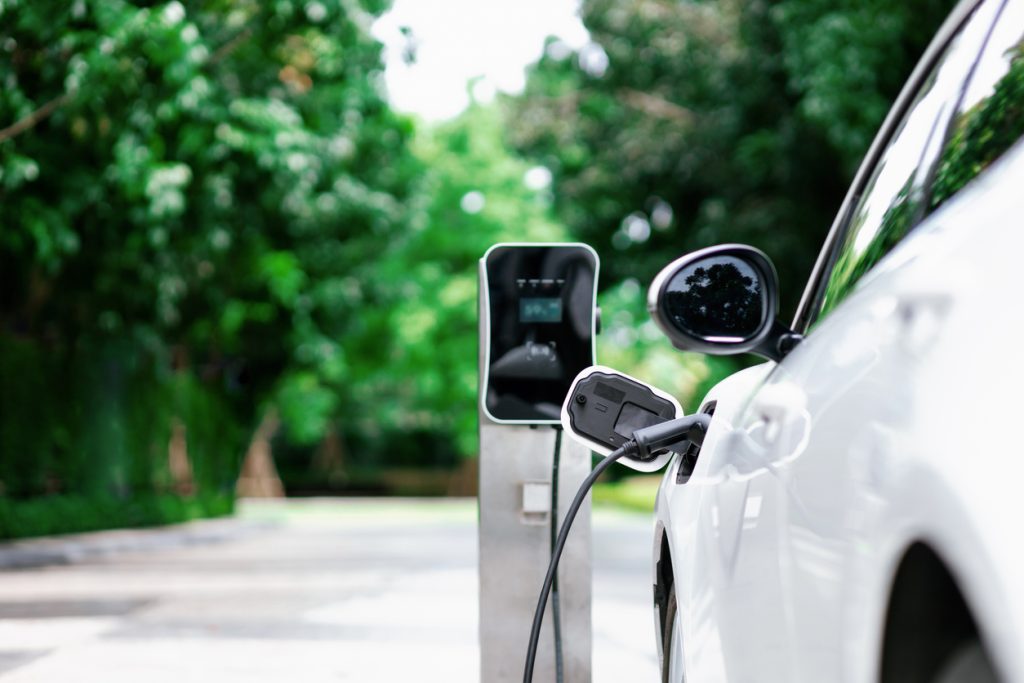
Electric vehicles are gradually becoming more visible on Nigerian roads, especially in Lagos and Abuja. However, finding reliable charging infrastructure remains a concern for many drivers. Getting the right EV charging kit in Nigeria can make electric car ownership easier by allowing drivers to charge their vehicles at home, offices, or designated parking facilities.
Unlike petrol vehicles, electric cars require compatible charging equipment and a dependable electricity supply. Choosing the wrong charger or installing one without proper electrical assessment can lead to unnecessary expenses and safety risks.
Whether you own a personal electric vehicle or manage a business fleet, understanding your charging options helps you make better decisions.
What Comes With an EV Charging Kit in Nigeria?
An EV charging kit typically contains equipment needed to connect an electric vehicle to a suitable power supply.
Depending on the manufacturer and charger type, the package may include:
- Portable EV charger or wall-mounted charging unit
- Charging cable and compatible vehicle connector
- Electrical protection components
- Mounting brackets and installation accessories
- User manual and safety instructions
Not every kit includes installation materials or electrical protection devices. Confirm the package contents before purchasing.
Also, check your vehicle’s charging connector. Some imported electric vehicles use different charging standards, making compatibility particularly important.
Choosing the Right EV Charger for Nigerian Electricity Conditions
Nigeria’s electricity supply presents challenges that electric vehicle owners must consider.
In areas such as Lekki, Ikeja, Abuja, and Port Harcourt, charging arrangements may depend on public electricity, generators, solar systems, or inverter-supported installations.
A portable charger may suit drivers who need flexibility, while a dedicated wall-mounted unit is generally more convenient for regular home charging.
Common options include:
3.5kW chargers: Suitable for slower overnight charging where the electrical installation supports the load.
7kW chargers: Useful for residential charging with an appropriately rated supply.
11kW chargers: Often require three-phase electricity and a compatible vehicle.
Actual charging speed depends on the vehicle’s onboard charger, battery condition, and available electricity.
What Does EV Charging Equipment Cost in Nigeria?
The cost of an EV charging kit in Nigeria depends on its power rating, connector type, manufacturer, and imported components.
Before accepting a quotation, request separate prices for the charging equipment and installation.
Additional expenses may include electrical cabling, protective devices, distribution board upgrades, and professional installation.
A property in Victoria Island with suitable electrical infrastructure may require less installation work than a building needing extensive wiring upgrades.
Avoid choosing equipment based entirely on price. Electrical certification, warranty coverage, and compatibility are equally important.
Installing an EV Charging Kit Safely
Professional installation is essential, particularly where voltage fluctuations and inconsistent electricity supply are common.
A qualified electrician should inspect the property before connecting charging equipment.
Important checks include:
- Available electrical capacity
- Proper earthing and circuit protection
- Cable sizing and installation distance
- Charger compatibility with the vehicle
- Safe positioning away from flooding and excessive heat
For businesses operating electric delivery vehicles, charging schedules should also match daily transport requirements.
Getting EV Charging Equipment Delivered Across Nigeria
Purchasing charging equipment is only part of the process. Safe transportation matters, especially when ordering imported chargers or installation accessories.
Travo.ng provides courier, cargo logistics, and delivery coordination services that can support the movement of EV charging equipment between Nigerian cities.
For example, a business sourcing chargers in Lagos for installation in Abuja can arrange suitable transportation while coordinating delivery with its installation contractor.
Proper packaging helps protect electronic components against moisture, impact, and handling damage during transit.
Making Electric Vehicle Charging More Practical
Before purchasing an EV charging kit in Nigeria, confirm your vehicle’s specifications, available electricity supply, and installation requirements.
Businesses planning electric fleets should also consider charging downtime, operating routes, and future expansion.
With suitable equipment, professional installation, and dependable logistics support, electric vehicle charging becomes easier to manage.
Travo.ng can help coordinate the transportation and delivery of charging equipment, supporting individuals and businesses preparing for electric mobility in Nigeria.
Is this conversation helpful so far?
