


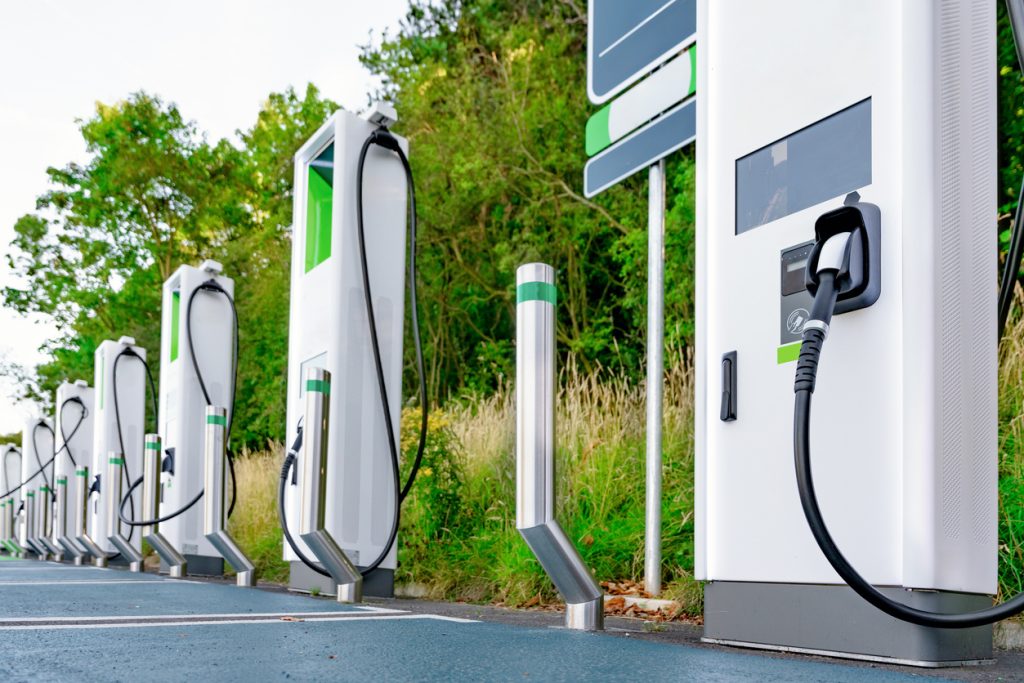
Owning an electric vehicle in Nigeria is becoming more practical, but finding somewhere reliable to charge it remains a concern. For many drivers, the easiest solution is to get home EV charging in Nigeria instead of depending entirely on public charging stations.
Whether you live in Lagos, Abuja, or Port Harcourt, having a dedicated charging point at home makes daily driving more convenient. However, installing an EV charger requires proper electrical planning, suitable equipment, and an understanding of Nigeria’s power supply challenges.
Travo.ng can help customers explore practical transport and mobility solutions while planning their electric vehicle charging needs.
How Home EV Charging Works in Nigeria
Home EV charging allows you to recharge your electric vehicle using a charging unit installed at your residence.
Most homeowners choose between two options:
- Standard socket charging: Uses a compatible portable charger but generally takes longer and requires a properly rated electrical circuit.
- Dedicated wall charger: Provides more convenient charging through equipment installed specifically for electric vehicles.
A dedicated 7kW charger can add approximately 20–35 kilometres of driving range per hour, depending on the vehicle and charging conditions.
Before installation, an electrician should confirm that your home’s electrical system can safely handle the additional demand.
What It Costs to Get Home EV Charging in Nigeria
Installation costs depend on the charger capacity, electrical infrastructure, and distance between the distribution board and parking area.
For budgeting purposes, homeowners may encounter the following indicative costs:
| Charging requirement | Estimated cost |
|---|---|
| Basic compatible portable charger | ₦100,000–₦300,000 |
| Dedicated home wall charger | ₦250,000–₦700,000+ |
| Electrical installation and wiring | ₦100,000–₦350,000+ |
These are planning estimates, not verified supplier quotations. Imported equipment, protective devices, and electrical upgrades can increase the final price.
A homeowner in Lekki with an existing suitable electrical supply may spend less on installation than someone requiring extensive wiring upgrades in Abuja.
Managing EV Charging During Power Outages
Nigeria’s electricity supply can be unpredictable, making power availability an important consideration.
Before installing a charger, consider whether your property uses public electricity, solar power, or an inverter system.
A solar installation may support EV charging, but the inverter, batteries, and panels must have sufficient capacity.
For example, charging a vehicle with a 40kWh battery requires substantial electricity. A small household inverter designed for lighting and televisions may not support the load.
Scheduling charging during periods of stable electricity can also reduce interruptions.
Choosing the Right Charging Location at Home
Your parking arrangement affects installation safety and convenience.
A suitable charging location should provide:
- Protection from flooding and excessive water exposure
- Enough space for safe cable movement
- Proper electrical grounding and circuit protection
- Secure positioning away from vehicle movement
- Convenient access without obstructing walkways
In Lagos estates and Abuja residential compounds, homeowners should also confirm property management requirements before installation.
Avoid using ordinary extension cables as permanent EV charging connections.
Planning Home EV Charging With Travo.ng
If you want to get home EV charging in Nigeria, begin by checking your vehicle’s charging specifications and your property’s electrical capacity.
Travo.ng supports transport coordination and mobility-related needs, making it a useful contact when planning electric vehicle ownership and related transport arrangements. Confirm whether charger sourcing or installation coordination is currently available before booking.
A qualified EV charging installer should handle electrical assessments, protective equipment, installation, and testing.
With the right preparation, home charging can reduce dependence on public stations and make everyday electric vehicle use more convenient.
For drivers considering the switch to electric mobility, arranging safe, dependable charging at home is a sensible first step.
Is this conversation helpful so far?
