


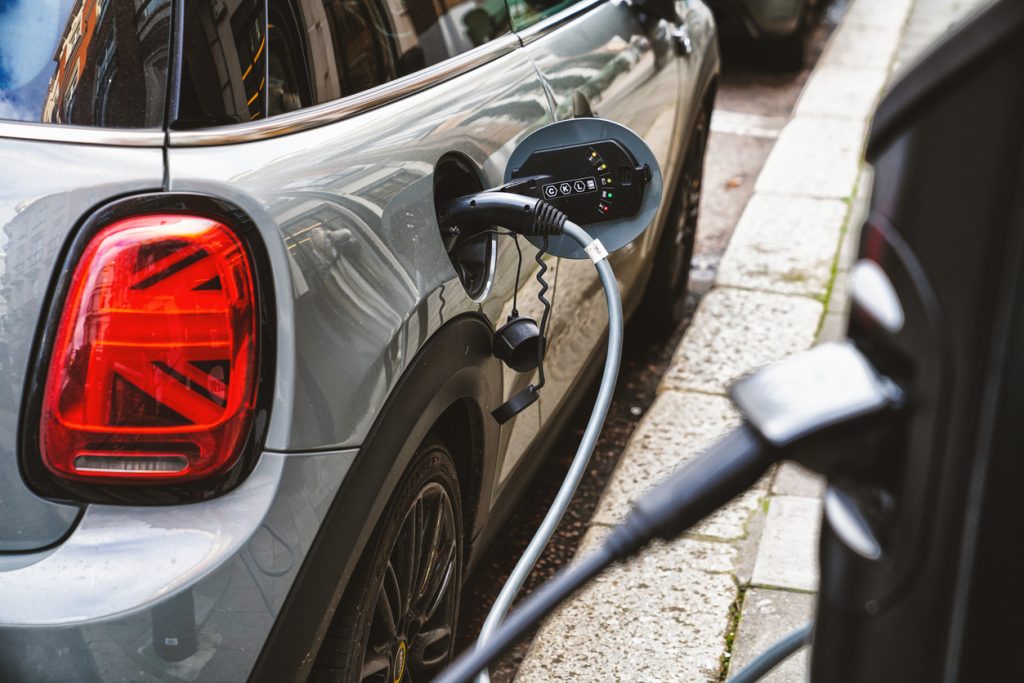
Electric vehicles are gradually gaining attention in Nigeria as drivers and businesses explore alternatives to petrol-powered transportation. However, finding reliable EV charging providers in Nigeria remains a major concern, especially for people considering electric cars for daily commuting, commercial transport, or business operations.
Unlike petrol stations, which are widely available across Nigerian cities, public electric vehicle charging stations are still limited. Drivers must consider charging locations, electricity availability, charging speed, and vehicle compatibility before making long journeys.
Understanding how charging services operate can help electric vehicle owners avoid unnecessary delays and plan their movements more effectively.
Where Can You Find EV Charging Providers in Nigeria?
Most emerging electric vehicle charging infrastructure is concentrated around major commercial centres, particularly Lagos and Abuja.
These cities have growing interest in electric mobility, supported by private companies, vehicle distributors, and clean energy businesses.
Some organisations developing Nigeria’s electric mobility ecosystem include:
- Possible EVS: An electric mobility company involved in electric vehicle development and charging infrastructure.
- MAX: A mobility company expanding electric two-wheeler operations and supporting battery-swapping infrastructure.
- Spiro: An electric motorcycle mobility company developing battery-swapping networks in African markets, including Nigeria.
However, not every provider operates public charging stations accessible to private car owners. Some facilities serve company fleets, electric motorcycles, or specific vehicle models.
Before visiting any charging location, confirm public access, connector compatibility, operating hours, and availability.
What Does EV Charging Cost in Nigeria?
Charging expenses depend on electricity tariffs, battery capacity, and whether the vehicle uses residential or commercial charging facilities.
For example, consider an electric car with a 50 kWh battery.
If electricity costs ₦200 per kWh, charging the battery from empty to full would theoretically cost ₦10,000 before accounting for charging losses.
Actual costs may be higher because commercial charging providers can include service fees and infrastructure expenses.
Drivers should also consider:
- Electricity tariff differences between locations.
- Charging efficiency and energy losses.
- Fast-charging service charges.
- Generator or solar backup costs.
- Parking fees at commercial charging facilities.
Home charging may offer greater convenience for drivers with dependable electricity, while public charging becomes important during longer journeys.
Challenges Facing Electric Vehicle Charging in Lagos and Abuja
Nigeria’s electricity supply remains one of the biggest obstacles to widespread EV adoption.
A charging station without reliable power may experience interruptions, forcing operators to depend on solar installations, batteries, or backup generators.
Lagos drivers also face traffic-related challenges.
Someone travelling between Lekki and Ikeja must consider battery range, traffic congestion, and available charging points before departure.
In Abuja, drivers moving between Gwarinpa, Wuse, and the airport corridor may encounter fewer charging options than conventional fuel stations.
These realities make journey planning essential.
How to Choose Reliable EV Charging Providers in Nigeria
Before selecting a charging provider, check whether its equipment supports your vehicle.
Some electric cars use different charging connectors, meaning a nearby station may not necessarily work with your vehicle.
Other important considerations include charging speed, payment methods, electricity reliability, and technical support.
Businesses operating electric delivery vehicles should prioritise providers offering dependable charging arrangements, particularly when vehicles must complete multiple daily trips.
Planning Electric Vehicle Transport With Travo.ng
Electric mobility is changing how Nigerian businesses approach transportation, but charging infrastructure still requires careful planning.
Travo.ng supports customers through vehicle hire arrangements, transport coordination, and business logistics services.
For companies exploring electric fleets, reliable transport planning can help maintain delivery schedules while charging infrastructure develops.
Businesses can also arrange alternative transportation when electric vehicles are unavailable or charging delays affect operations.
As more EV charging providers in Nigeria expand their networks, combining dependable charging arrangements with practical transport coordination will become increasingly important.
Planning business transport or vehicle hire in Nigeria? Contact Travo.ng to discuss suitable transport and logistics arrangements for your journey or operations.
Is this conversation helpful so far?
