


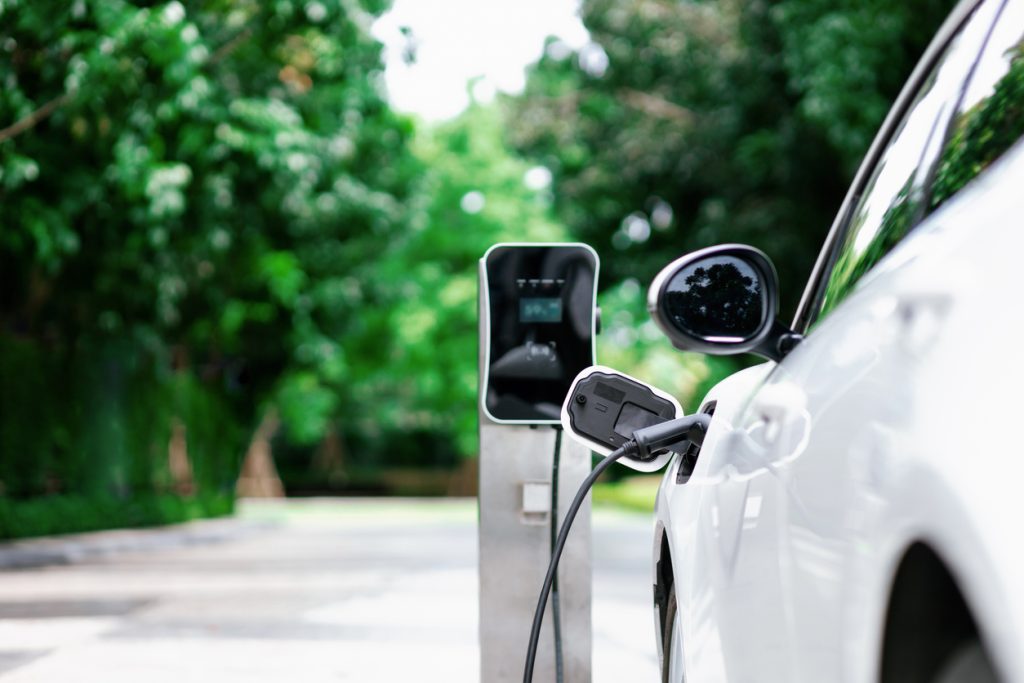
Electric vehicles are gradually becoming more visible on Nigerian roads, particularly in Lagos and Abuja. However, finding suitable EV charging equipment in Nigeria remains a challenge for drivers, businesses, and organisations planning to adopt electric mobility.
Unlike petrol vehicles, electric cars require charging infrastructure that matches their battery systems, electrical supply, and daily usage patterns.
Whether you are installing a charger at home, managing an electric vehicle fleet, or setting up a commercial charging station, choosing the right equipment can prevent unnecessary expenses and operational delays.
Travo.ng supports businesses and individuals with transport coordination, equipment delivery, and logistics arrangements for electric mobility projects across Nigeria.
Types of EV Charging Equipment Available in Nigeria
Different electric vehicles require different charging solutions. Understanding these options helps buyers avoid purchasing incompatible equipment.
Common charging equipment includes:
- Portable EV chargers: Suitable for occasional charging where a compatible, properly rated electrical connection is available.
- AC wall-mounted chargers: Commonly used in homes, offices, hotels, and private parking facilities.
- DC fast chargers: Designed for commercial locations requiring faster charging, subject to vehicle compatibility.
- Charging cables and connectors: Essential accessories that must match the vehicle’s charging port.
- Power management systems: Help businesses monitor electricity consumption and manage charging loads.
Before purchasing, confirm the vehicle’s charging standard, supported charging power, and installation requirements.
What to Check Before Installing EV Charging Equipment in Nigeria
Nigeria’s electricity supply conditions make proper installation planning particularly important.
A charger that performs well in another country may require additional electrical protection or infrastructure upgrades before operating safely in Nigeria.
Consider these factors:
Power availability: Determine whether the location has sufficient electricity capacity to support charging without overloading existing circuits.
Electrical protection: Appropriate earthing, circuit protection, and surge protection help reduce electrical risks.
Installation location: Outdoor charging equipment should have suitable weather protection and secure mounting.
Professional installation: Use a qualified electrician experienced with EV charging systems and applicable electrical standards.
For businesses operating in Lekki, Ikeja, Victoria Island, or Abuja, electricity capacity assessments should happen before equipment procurement.
How Much Does EV Charging Equipment Cost in Nigeria?
The cost of EV charging equipment depends on charging speed, manufacturer, connector type, and installation requirements.
Basic portable chargers generally cost less than dedicated wall-mounted systems, while commercial DC fast chargers require significantly larger investments.
Additional expenses may include:
- Electrical wiring and protective devices
- Distribution board upgrades
- Installation labour
- Equipment transportation
- Backup power or solar integration
Imported equipment may also attract shipping charges, customs duties, and exchange-rate-related costs.
Request an itemised quotation covering equipment, installation, and delivery before committing to a purchase.
Moving EV Chargers Safely Across Nigerian Cities
Transporting charging equipment requires careful handling, especially when moving expensive commercial units.
A business purchasing chargers in Lagos for installation in Abuja or Port Harcourt should confirm packaging dimensions, equipment weight, unloading arrangements, and delivery accessibility.
Large charging cabinets may require specialised loading equipment, while smaller wall-mounted units need protective packaging against vibration and impact.
Travo.ng can assist with cargo logistics, delivery coordination, and transport arrangements for businesses moving EV charging equipment between Nigerian cities.
Proper delivery planning helps reduce avoidable damage and installation delays.
Choosing EV Charging Equipment for Business Operations
Hotels, shopping centres, corporate offices, and fleet operators should select charging systems based on actual vehicle demand.
For example, a company operating electric delivery vehicles may benefit from scheduled overnight charging rather than investing immediately in expensive fast-charging infrastructure.
Businesses should also consider maintenance support, spare-part availability, warranty coverage, and future expansion.
Choosing compatible equipment from suppliers offering technical support can reduce long-term operating difficulties.
Get Reliable Logistics Support for EV Charging Equipment in Nigeria
Investing in EV charging equipment in Nigeria requires more than selecting a charger. Reliable transportation, careful handling, and coordinated delivery are equally important.
Travo.ng helps individuals and businesses arrange equipment transportation, cargo movement, and logistics support across Nigeria.
Whether you are transporting a residential charging unit or coordinating deliveries for a commercial installation project, contact Travo.ng to discuss suitable logistics arrangements and move your equipment with greater confidence.
Is this conversation helpful so far?
