


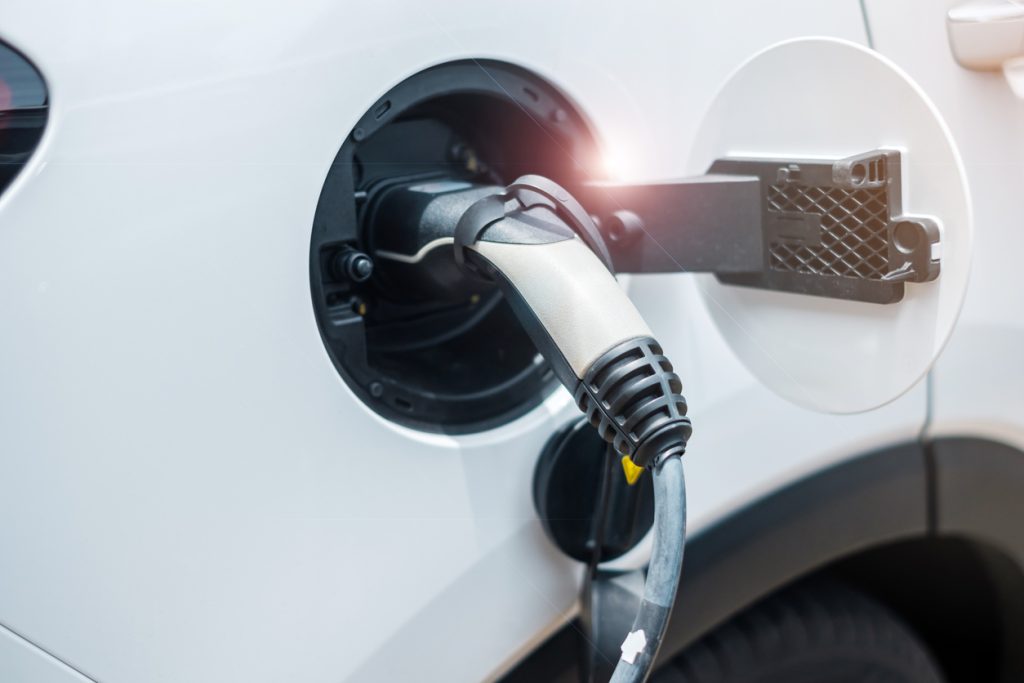
Electric vehicles are gradually becoming more visible on Nigerian roads, but finding a reliable place to charge remains a concern. For drivers considering electric cars, understanding how public EV charging in Nigeria works is important before making the switch.
Unlike petrol stations, which are available across most major cities, public charging facilities are still developing. Drivers in Lagos, Abuja, and other urban centres need to plan their journeys carefully, especially when travelling beyond familiar routes.
Knowing where to charge, how long charging takes, and what to expect can prevent unnecessary delays.
Where Can You Find Public EV Charging in Nigeria?
Public charging infrastructure is currently concentrated in selected urban locations, particularly Lagos and Abuja.
Charging facilities may be available at dedicated EV charging sites, commercial properties, vehicle dealerships, and private facilities that permit public access.
However, drivers should never assume a charging point is operational simply because it appears on an online map.
Before travelling, confirm:
- Whether the charging station is currently operating.
- The type of charging connector available.
- Whether visitors can access the facility.
- The charging fees and payment arrangements.
- Whether the location has a reliable electricity supply.
For example, someone driving an electric vehicle from Lekki to Ikeja should identify a suitable charging location before leaving if the battery level is low.
How Much Does Public EV Charging Cost in Nigeria?
Charging costs depend on the operator, electricity tariff, charging speed, and pricing structure.
Some facilities may charge according to electricity consumed, while others may use session-based pricing.
For illustration, if a charging provider charges ₦200 per kilowatt-hour, adding 30 kWh would cost approximately ₦6,000.
This is only a calculation example, not a verified nationwide charging tariff.
Drivers should request current prices before connecting their vehicles.
Electricity availability also matters. Facilities relying on backup power may have different operating costs from locations connected to a stable electricity supply.
How Long Does It Take to Charge an Electric Car?
Charging time depends on battery capacity, the vehicle’s charging limits, and the equipment available.
A typical charging session may take:
- AC charging: Several hours, depending on the vehicle and charger.
- DC fast charging: Approximately 30–60 minutes for some vehicles to reach around 80% under suitable conditions.
- Home charging: Often several hours or overnight.
Not every electric vehicle supports fast charging, so drivers must confirm compatibility.
For businesses operating electric delivery vehicles, charging schedules should be arranged around delivery periods to reduce downtime.
Planning Interstate Trips With an Electric Vehicle
Long-distance travel requires more preparation because charging facilities are not evenly distributed across Nigeria.
A driver planning a Lagos-to-Ibadan journey should calculate the vehicle’s realistic driving range, account for traffic, and confirm charging options near the destination.
For longer journeys, such as Lagos to Abuja, drivers should verify every proposed charging stop before departure rather than relying entirely on estimated battery range.
Heavy air-conditioning use, vehicle load, driving speed, and road conditions can affect electricity consumption.
Where charging availability creates uncertainty, Travo.ng can assist with alternative transport coordination and vehicle hire arrangements, helping travellers organise their journeys without unnecessary disruption.
What Nigerian EV Drivers Should Check Before Leaving Home
Public EV charging in Nigeria is becoming increasingly relevant as electric mobility develops, but practical preparation remains essential.
Drivers should maintain a reasonable battery reserve, confirm charger availability, and avoid beginning unfamiliar journeys with insufficient range.
Businesses considering electric vehicles for courier operations or urban deliveries should also assess charging access around their regular routes.
Travo.ng supports Nigerian mobility needs through transport coordination, vehicle hire, and business logistics services.
As charging infrastructure expands, combining reliable journey planning with suitable transport arrangements will help individuals and businesses move more confidently across Nigeria.
Is this conversation helpful so far?
