


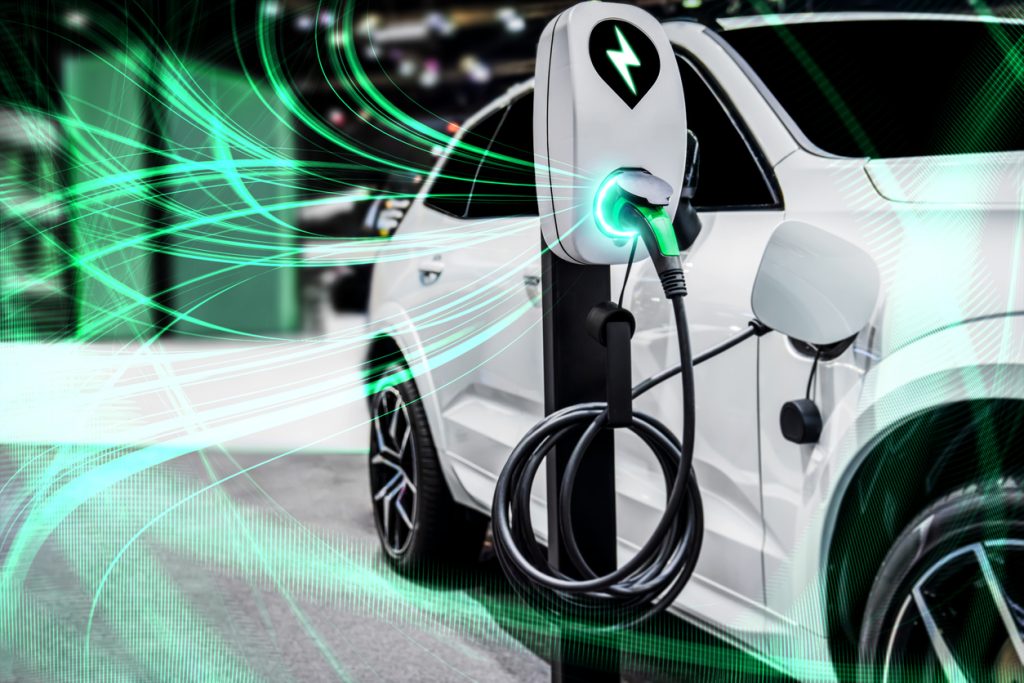
Electric vehicles are gradually becoming more visible on Nigerian roads, especially in Lagos and Abuja. However, finding reliable EV charging stations in Nigeria remains a major concern for drivers considering the switch from petrol-powered vehicles.
Unlike conventional filling stations, electric vehicle charging points are not yet widely available across Nigerian cities. Drivers must consider charging locations, battery range, electricity availability, and travel distance before setting out.
Whether you already own an electric car or are planning to purchase one, understanding Nigeria’s charging infrastructure can help you avoid unnecessary delays.
Where Can You Find EV Charging Stations in Nigeria?
Public EV charging infrastructure is still developing, with charging facilities concentrated in selected urban locations.
Lagos and Abuja are among the main cities where electric vehicle charging initiatives have emerged.
In Lagos, drivers may encounter charging facilities associated with EV dealerships, commercial properties, and private mobility operators.
Abuja also has emerging charging infrastructure supporting electric mobility projects and private vehicle owners.
However, not every charging installation is accessible to the public. Some facilities serve specific fleets or require prior arrangements.
Before visiting any location, confirm its operating hours, connector compatibility, charging fees, and public accessibility.
How Much Does Electric Vehicle Charging Cost in Nigeria?
Charging expenses depend on electricity tariffs, battery capacity, charging speed, and whether the vehicle uses a private or commercial facility.
For example, an electric vehicle requiring 40 kilowatt-hours of electricity could cost approximately ₦8,000 to charge at an illustrative electricity rate of ₦200 per kWh.
Actual expenses may differ because commercial charging providers can include service fees and other operating costs.
Home charging may offer greater convenience, particularly for drivers with reliable electricity or solar-powered systems.
However, installing suitable charging equipment requires professional electrical assessment to prevent overheating and other safety problems.
Planning Long-Distance Trips With an Electric Vehicle
Travelling between Lagos and Ibadan may be manageable for electric vehicles with sufficient battery range.
Longer journeys, such as Lagos to Abuja, require more careful preparation because dependable public charging opportunities cannot be assumed along the route.
Before travelling, drivers should:
- Check the vehicle’s available driving range.
- Confirm operational charging points along the route.
- Allow additional time for unexpected traffic.
- Identify alternative charging arrangements.
- Avoid beginning long journeys with insufficient battery capacity.
Air conditioning, road conditions, vehicle load, and driving speed can also affect battery consumption.
For travellers who prefer not to worry about charging availability, Travo.ng provides transport coordination and vehicle hire arrangements that can simplify interstate journeys.
Challenges Facing EV Charging Infrastructure in Nigeria
Electric vehicle adoption faces several practical obstacles.
Unstable electricity supply remains a concern, especially where charging operators depend on generators or expensive backup systems.
Charging equipment installation, maintenance costs, and limited public awareness also affect infrastructure expansion.
Another challenge is connector compatibility. Not every charging station supports every electric vehicle model.
Drivers importing electric cars should confirm their vehicle’s charging specifications before purchasing equipment or relying on public facilities.
How Travo.ng Supports Convenient Travel Across Nigeria
As electric mobility develops, reliable transport planning remains essential.
Travo.ng helps customers arrange vehicle hire, airport pickups, business transport, and interstate travel coordination.
For example, someone arriving at Murtala Muhammed International Airport can arrange an airport pickup instead of depending on unfamiliar transport or uncertain charging arrangements.
Businesses can also explore coordinated transport solutions for staff movement and scheduled trips.
While public EV charging stations in Nigeria continue to expand, drivers should verify charging availability before travelling.
With proper route planning and dependable transport alternatives through Travo.ng, moving between Nigerian cities can remain convenient even where charging infrastructure is limited.
Is this conversation helpful so far?
