


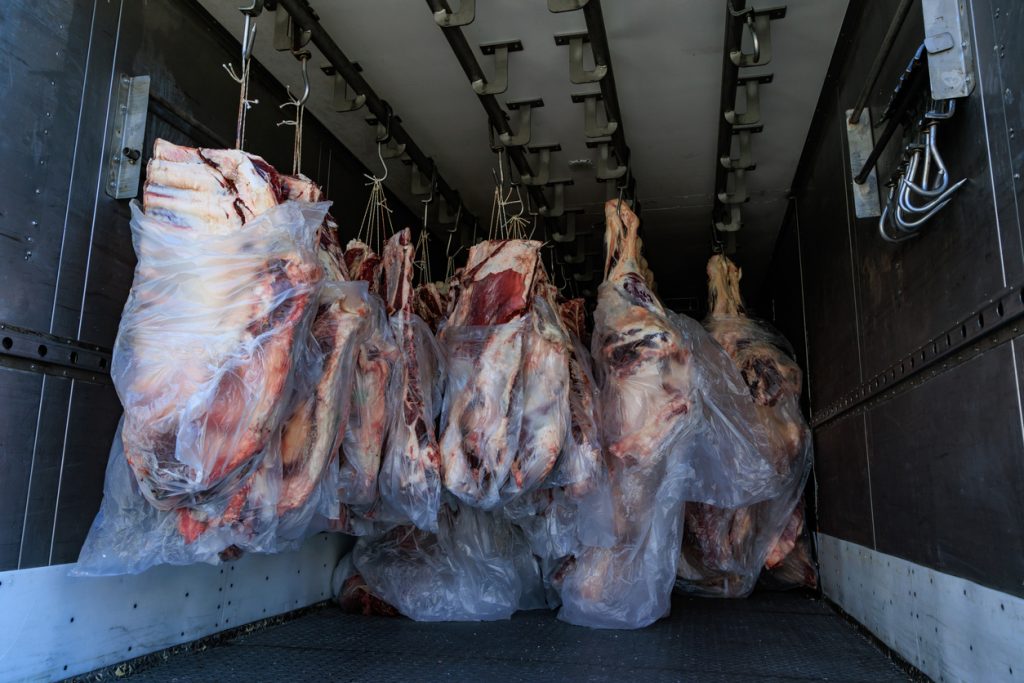
Fresh produce can lose value before it reaches the market. Tomatoes harvested in Kano, vegetables transported from Jos, and fruits supplied to Lagos markets often face delays, poor handling, and inadequate storage.
A produce aggregation cold hub in Nigeria helps farmers, food distributors, and agricultural businesses collect, sort, and preserve perishable goods before transportation to buyers.
For businesses moving agricultural products between states, combining proper cold storage with reliable logistics coordination can reduce unnecessary losses and improve delivery planning.
How Produce Aggregation Cold Hubs Work in Nigeria
A produce aggregation cold hub serves as a collection point where agricultural products from different farms are received, inspected, sorted, and stored under suitable temperature conditions.
Instead of individual farmers transporting small quantities directly to distant markets, produce can be consolidated into larger shipments.
For example, tomato farmers around Kano may deliver harvested produce to a central collection facility before distribution to wholesalers in Lagos, Abuja, or Port Harcourt.
At the facility, operators typically:
- Inspect produce for damage and spoilage.
- Separate products according to quality and size.
- Use appropriate crates instead of overloaded sacks.
- Maintain suitable storage temperatures.
- Prepare consolidated shipments for transportation.
Not every crop requires the same temperature. Tomatoes, leafy vegetables, and tropical fruits have different storage requirements, making proper handling essential.
Reducing Post-Harvest Losses During Interstate Transportation
One major challenge facing agricultural suppliers in Nigeria is the time between harvesting and final delivery.
A truck carrying fresh vegetables from Plateau State to Lagos may spend many hours on the road, depending on traffic, road conditions, and loading arrangements.
Without appropriate storage and handling, produce can deteriorate before reaching customers.
Cold aggregation facilities help by preserving harvested goods while transportation is arranged.
However, refrigeration alone cannot prevent every loss. Poor packaging, excessive stacking, delayed loading, and unsuitable vehicle conditions can still damage agricultural products.
Businesses should therefore coordinate storage and transport schedules before accepting large produce orders.
Choosing the Right Produce Aggregation Cold Hub in Nigeria
Before selecting a facility, farmers and food businesses should consider its location, storage capacity, and operational reliability.
A hub located near major farming communities or transport corridors can reduce unnecessary movement.
Important questions include:
- Does the facility maintain suitable temperatures for specific crops?
- Is electricity supported by reliable backup power?
- Are loading areas accessible to delivery trucks?
- Can operators accommodate seasonal harvest volumes?
- Are storage charges calculated daily, weekly, or by quantity?
Businesses should also confirm whether the facility offers sorting, packaging, inventory records, and dispatch coordination.
These details help prevent unexpected expenses during peak harvesting periods.
Moving Agricultural Produce From Cold Storage to Buyers
Cold storage works best when transportation is properly coordinated.
A food distributor supplying supermarkets in Lekki, Ikeja, and Victoria Island may need scheduled deliveries to avoid prolonged exposure to heat.
Similarly, agricultural suppliers transporting bulk produce from northern Nigeria must consider loading times, vehicle availability, and delivery deadlines.
Travo.ng supports businesses through cargo logistics, delivery coordination, and transport arrangements across Nigeria.
Agricultural suppliers can use these services to plan produce movement between collection facilities, warehouses, and customer locations.
Temperature-controlled vehicles should be specifically confirmed where required.
Building a More Reliable Fresh Produce Supply Chain
A well-managed produce aggregation cold hub in Nigeria can help agricultural businesses maintain product quality, reduce avoidable waste, and organize deliveries more efficiently.
The strongest results come from combining suitable storage conditions, careful packaging, accurate inventory management, and dependable transportation.
For farmers, wholesalers, supermarkets, and food distributors looking to improve agricultural logistics, Travo.ng offers practical transport and cargo coordination services to support produce movement across Nigeria.
Is this conversation helpful so far?
