


The statement “you will only get a speeding ticket if you exceed the limit by 10% or more” is not a legal rule that allows you to speed. GOV.UK’s speed-limit guidance says drivers must not exceed the limit for the road and vehicle. Treat the applicable limit as the maximum, and drive more slowly when conditions require it.
This guide explains common UK road-rule searches for travellers and learners. It links to the current Highway Code and official practice resources. Nigerian and other African road rules need separate local checks; a rule remembered from one country cannot be assumed to apply elsewhere.
Why a tolerance is not permission
Discussions about camera accuracy, speedometers or police enforcement thresholds do not change the posted limit. They also do not guarantee what will happen in an individual case. Do not plan to drive at “limit plus 10%” or add a claimed buffer to your target speed.
Check the vehicle category as well as the road. A van, towing vehicle or heavy vehicle can have different limits from an ordinary car. Temporary limits and signs apply to the actual stretch of road. Rain, restricted visibility and vulnerable road users can make the maximum inappropriate.
Level crossing meaning and safe approach
A level crossing is where a road crosses a railway or tramway at the same level. The Highway Code’s level-crossing section explains the signs, lights and barriers. Do not enter unless your route across is clear, and obey the stop signals.
For a controlled crossing, wait for the signals and barriers to permit crossing. A train passing does not mean the crossing is immediately safe if the red lights continue. Never use a queue’s movement as a substitute for checking the exit. For breakdowns or special vehicle dimensions, follow the site instructions and official guidance.
Red light cameras and traffic signals
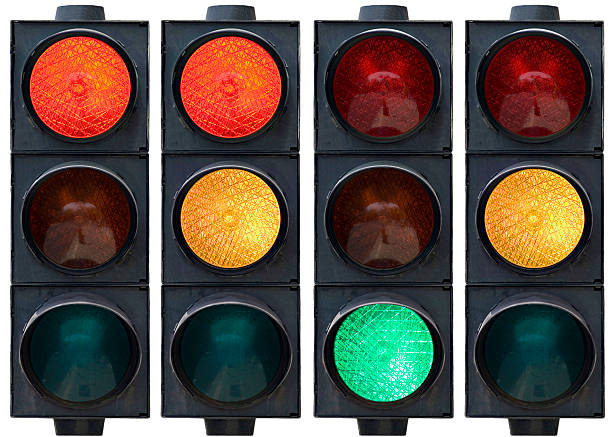
The purpose of a red light camera is enforcement; the presence or absence of a camera does not decide whether you must obey a signal. Read the Highway Code’s junction guidance and identify the stop line, signal and intended movement before approaching.
Keep sufficient space and anticipate a signal change. Do not enter a junction simply because the car ahead went through. If you receive a notice, inspect its official details and use the stated response process. Avoid relying on rumours about how long a camera waits or how many centimetres past a line are tolerated.
Hard shoulder meaning
The hard shoulder is the strip beside the motorway carriageway provided for emergency use where present. Under Highway Code Rule 269, it is not a normal overtaking lane. Use is restricted except for an emergency or the relevant official direction or sign.
Some motorway layouts can use it as an extra running lane under displayed signs. Follow the actual overhead signals; a blank sign or red X does not invite normal driving on the shoulder. Emergency areas and a hard shoulder are different features. Read the breakdown rules for the actual road layout before travelling.
Hazard perception test practice
Use GOV.UK’s revision and practice resources for official learning materials. The hazard-perception test explanation describes identifying developing hazards in video clips. Practice should build observation and judgement, rather than teach repetitive clicking.
A developing hazard is a situation requiring a change in speed or direction. For example, a pedestrian approaching the road or a vehicle beginning to pull out may develop into a need for action. Read the official examples and scoring instructions; this article is not a substitute test or a guarantee of passing.
Quick practice question: a queue beyond a crossing
The crossing signals permit movement, but the road immediately beyond it is blocked. Should you follow the vehicle in front onto the crossing?
Answer: Wait until you can clear it. A permitted signal does not provide space on the other side. This is an illustrative learning question, not an official test item.
Prepare for driving rather than relying on myths
Before a trip, review the vehicle’s entitlement, documents and route. Read UK driving tests and road-rule checks and driver insurance and vehicle tax questions. If you prefer a hired driver or another travel option, ask Travo about transport assistance and confirm the service scope for the location.
