


Keeping perishable goods fresh is a serious challenge for businesses operating in Nigeria. From vegetable traders in Lagos to frozen food distributors in Abuja, unreliable electricity and inadequate refrigeration can lead to expensive product losses.
Modular cold storage in Nigeria offers businesses a flexible way to preserve temperature-sensitive products without investing in a large permanent warehouse.
These storage units can be installed in different locations, expanded when demand increases, and configured for specific temperature requirements.
For businesses moving fresh produce, frozen foods, or other temperature-sensitive goods, Travo.ng can support the transport and logistics arrangements needed to keep deliveries properly coordinated.
How Modular Cold Storage Works in Nigeria
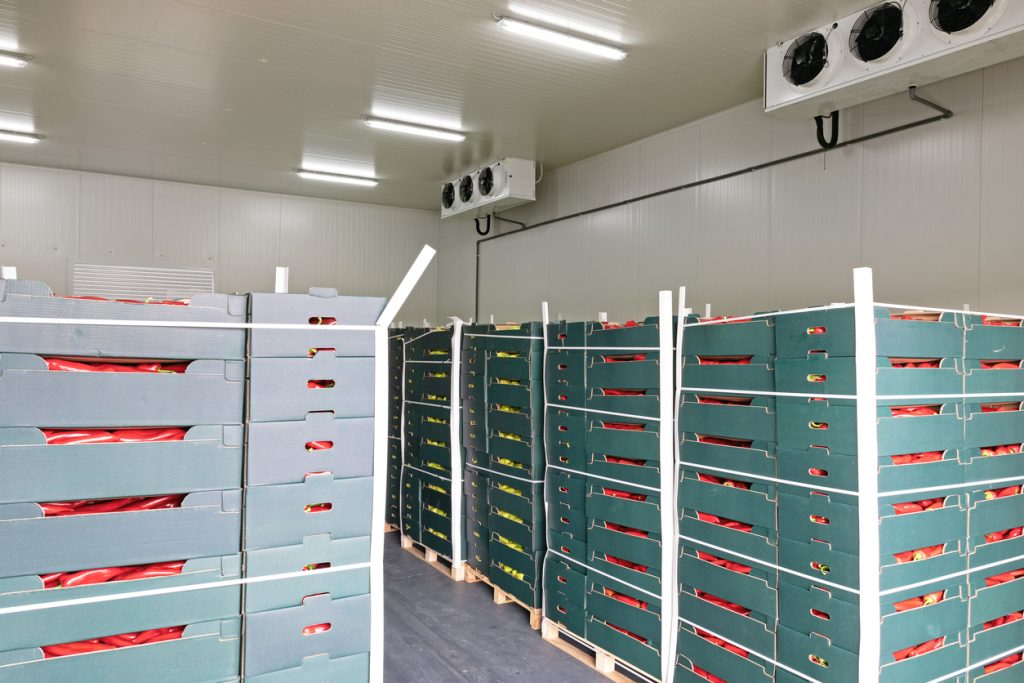
Modular cold rooms are prefabricated refrigeration units designed for installation in warehouses, markets, processing facilities, and distribution centres.
Unlike conventional cold warehouses, modular systems can be assembled in sections and expanded as storage requirements change.
For example, a frozen chicken distributor in Lagos might start with a small cold room before increasing capacity during festive periods.
Common applications include:
- Fresh vegetables and fruits requiring controlled temperatures.
- Frozen fish, chicken, and meat distribution.
- Dairy products and packaged food storage.
- Agricultural produce awaiting transportation.
- Temperature-sensitive pharmaceutical products requiring validated storage conditions.
Each product requires suitable temperature settings, proper ventilation, and consistent monitoring.
What Businesses Should Budget for Modular Cold Storage in Nigeria
The cost of installing modular cold storage depends on the unit’s capacity, refrigeration equipment, insulation quality, and power requirements.
A small cold room for a restaurant will generally cost less than a commercial facility serving multiple food distributors.
Businesses should consider more than the initial installation price.
Important expenses include electricity, backup power, maintenance, temperature monitoring, and product handling.
In Lagos, where electricity interruptions can affect refrigeration operations, reliable backup power is particularly important.
Before purchasing equipment, request quotations that clearly separate installation costs from ongoing operating expenses.
Managing Cold Storage During Power Interruptions
Power reliability remains one of the biggest operational concerns for refrigerated storage facilities.
A cold room may maintain its temperature temporarily after an outage, but repeated interruptions increase the risk of spoilage.
Businesses should install temperature alarms, maintain backup electricity systems, and avoid unnecessary door openings.
Regular maintenance also helps prevent compressor failures and unexpected refrigeration breakdowns.
For food distributors handling daily deliveries, maintaining the correct temperature during loading and transportation is equally important.
Moving Products Between Cold Rooms and Customers
Cold storage alone cannot prevent spoilage if products spend several hours in unsuitable transport conditions.
Consider a seafood distributor moving frozen products from Apapa to restaurants in Lekki.
Traffic delays, repeated unloading, and poorly insulated vehicles can compromise product quality before delivery.
Businesses should arrange appropriate refrigerated transport, reduce loading delays, and confirm receiving arrangements before dispatch.
Travo.ng supports cargo logistics, delivery coordination, and business transportation planning, helping companies organise product movement between suppliers, storage facilities, and customers.
Where refrigerated transport is required, businesses should confirm vehicle availability and temperature requirements before booking.
Choosing the Right Modular Cold Storage Solution
Before investing in modular cold storage in Nigeria, assess your daily product volume, required storage temperature, available space, and electricity supply.
Consider whether the facility needs additional capacity during peak agricultural harvests or festive shopping periods.
A properly planned system should support business growth without creating unnecessary operating expenses.
For businesses distributing perishables across Lagos, Abuja, Port Harcourt, and other Nigerian cities, combining suitable cold storage with organised logistics helps reduce avoidable losses.
Contact Travo.ng to discuss cargo movement, delivery coordination, and logistics support for your temperature-sensitive goods.
Is this conversation helpful so far?
