


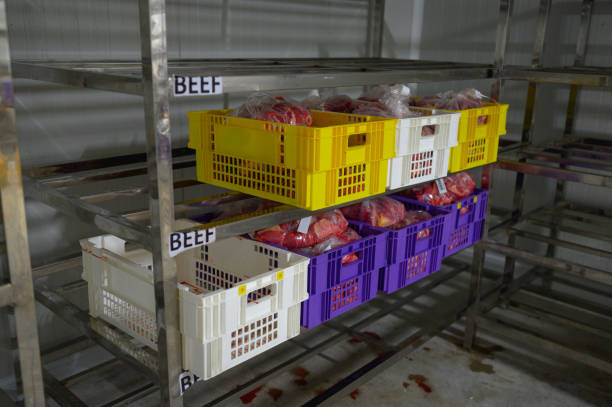
Finding a reliable cold storage container in Nigeria can make a big difference for businesses handling frozen foods, fresh produce, pharmaceuticals, and other temperature-sensitive products. Without proper refrigeration, goods can spoil before reaching customers, resulting in financial losses and unhappy buyers.
In busy commercial locations like Lagos, Abuja, Port Harcourt, and Kano, businesses need dependable cold storage solutions to preserve products during storage and transportation.
Whether you operate a frozen food business, supermarket, restaurant, or pharmaceutical distribution company, understanding how refrigerated containers work helps you make better logistics decisions.
How Cold Storage Containers Work in Nigeria
Cold storage containers, commonly called reefer containers, are insulated storage units equipped with refrigeration systems that maintain controlled temperatures.
Unlike ordinary shipping containers, refrigerated units help protect products that require specific storage conditions.
Common applications include:
- Frozen chicken, fish, and meat storage
- Fresh fruits and vegetable preservation
- Dairy products and packaged food storage
- Pharmaceutical and medical supply storage
- Temperature-sensitive agricultural products
Frozen products may require temperatures around -18°C, while some fresh produce needs temperatures between 0°C and 10°C, depending on the product.
Choosing the correct temperature prevents unnecessary spoilage and protects product quality.
What Does a Cold Storage Container in Nigeria Cost?
The cost of refrigerated storage depends on container size, refrigeration capacity, location, electricity requirements, and whether you are buying or renting.
Common container sizes include 20-foot and 40-foot refrigerated units.
A 20-foot container may suit smaller frozen food distributors, while a 40-foot unit offers additional capacity for larger operations.
Before requesting quotations, consider:
- Container purchase or rental charges
- Transportation and installation expenses
- Electricity and backup generator costs
- Refrigeration maintenance
- Temperature monitoring equipment
Businesses operating around Apapa, Ikeja, Lekki, and major industrial areas should also account for delivery access and unloading arrangements.
Request a detailed quotation rather than comparing container prices alone.
Managing Electricity and Temperature Problems
Electricity remains one of the biggest challenges affecting refrigerated storage operations in Nigeria.
Unexpected power interruptions can compromise frozen products, particularly when backup electricity is unavailable.
Businesses should establish reliable power arrangements before installing refrigerated containers.
Regular temperature checks, preventive maintenance, and functioning door seals also help reduce product losses.
For example, a frozen fish distributor in Lagos receiving shipments from Apapa must coordinate unloading quickly and maintain the required temperature throughout transportation.
Leaving frozen products exposed during loading can reduce their quality even when the storage container operates correctly.
Moving Refrigerated Goods Between Nigerian Cities
Cold storage is only one part of managing temperature-sensitive deliveries.
Businesses transporting frozen foods from Lagos to Abuja or fresh agricultural products from Jos to Lagos need suitable vehicles and careful delivery scheduling.
Traffic congestion, loading delays, and long interstate journeys can increase the risk of temperature fluctuations.
Travo.ng supports businesses with cargo logistics and transport coordination, helping customers arrange practical movement solutions for different shipment requirements.
Businesses requiring refrigerated transportation should confirm equipment availability and temperature requirements before booking.
Choosing the Right Refrigerated Storage Solution
Before investing in refrigerated storage, determine your daily product volume, required temperature, and expected storage duration.
A restaurant supplying several outlets may need a different arrangement from a wholesale frozen food distributor handling large shipments.
Check container condition, cooling performance, maintenance history, and backup power compatibility before committing.
For businesses managing interstate distribution, combining suitable cold storage with coordinated cargo transportation can improve delivery planning.
Travo.ng can assist with transport arrangements and business logistics coordination, making it easier to plan product movement across Nigeria.
A dependable cold storage container in Nigeria, supported by proper power supply and organized transportation, helps businesses reduce spoilage, protect inventory, and serve customers more consistently.
Is this conversation helpful so far?
