


Keeping homes, offices, and businesses cool in Nigeria can be expensive, especially when electricity supply is unreliable. Between rising fuel costs, frequent power interruptions, and the expense of running generators, many Nigerians are looking for alternatives.
Solar cooling in Nigeria offers a practical way to operate fans, refrigerators, and air conditioning systems using electricity generated from sunlight.
For businesses in Lagos, Abuja, Port Harcourt, and other major cities, solar-powered cooling can reduce dependence on generators while improving comfort and protecting temperature-sensitive products.
However, choosing the right equipment and arranging proper installation are important for getting reliable results.
How Solar Cooling Systems Work in Nigeria
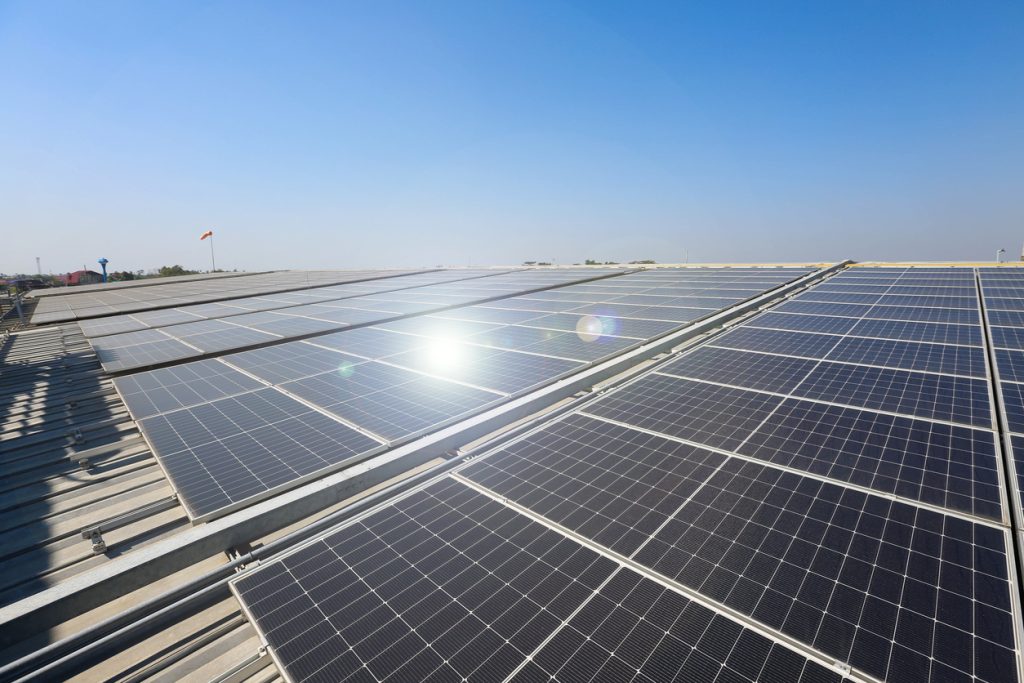
Solar cooling systems use photovoltaic panels to generate electricity that powers cooling equipment.
A typical installation includes solar panels, an inverter, batteries where required, and compatible cooling appliances.
During sunny hours, solar panels produce electricity that can power fans, refrigerators, or air conditioners. Battery storage allows cooling to continue after sunset, depending on the system’s capacity.
In Lagos, where afternoon temperatures can make offices uncomfortable, solar cooling can help businesses reduce generator usage during working hours.
However, system performance depends on sunlight availability, equipment efficiency, and electricity consumption.
Choosing Solar Cooling in Nigeria for Different Needs
Not every building requires the same solar cooling setup.
A small shop in Ikeja may only need solar-powered fans and a refrigerator, while a supermarket in Lekki may require a larger installation.
Common applications include:
- Residential buildings: Solar-powered fans and efficient air conditioners.
- Restaurants: Refrigeration for ingredients and beverages.
- Pharmacies: Temperature-controlled storage for products requiring refrigeration.
- Offices: Cooling systems that reduce daytime generator dependence.
- Food businesses: Refrigerators and freezers for preserving perishable goods.
Businesses handling frozen food or medicines should maintain backup power and temperature monitoring to prevent spoilage during unexpected system failures.
What Does Solar Cooling Cost in Nigeria?
The cost depends on the cooling equipment, solar panel capacity, battery storage, and installation requirements.
A small solar fan setup costs considerably less than a system designed to operate multiple air conditioners.
Before requesting quotations, determine:
- The number of appliances requiring electricity.
- Their total power consumption.
- How many hours cooling is needed daily.
- Whether nighttime battery backup is necessary.
- Available roof space and installation conditions.
For example, running a 1.5HP inverter air conditioner requires considerably more energy than operating two standing fans.
An installer should calculate the actual electricity demand before recommending solar panels and batteries.
Moving Solar Cooling Equipment Safely Across Nigeria
Transporting solar equipment requires careful handling, particularly when moving panels, batteries, and refrigeration units between cities.
Solar panels can crack during rough transportation, while batteries require appropriate packaging and handling.
A business purchasing equipment in Lagos for installation in Abuja should arrange secure loading, suitable vehicles, and coordinated delivery schedules.
Travo.ng provides cargo logistics, delivery coordination, and transport support that can help businesses move solar cooling equipment to installation locations.
Proper transport planning also helps prevent delays when technicians are scheduled to begin work.
Making Solar Cooling More Reliable During Power Outages
Nigeria’s rainy season can reduce solar electricity generation, making battery capacity and backup arrangements particularly important.
Regular panel cleaning, battery maintenance, and professional electrical inspections also improve system reliability.
Businesses should prioritize energy-efficient appliances because lower electricity consumption reduces the size and cost of the required solar installation.
For companies expanding cooling facilities across multiple locations, Travo.ng can support equipment transportation and logistics coordination.
Solar cooling in Nigeria can provide long-term savings and more dependable comfort when equipment is correctly sized, professionally installed, and properly maintained.
Is this conversation helpful so far?
