


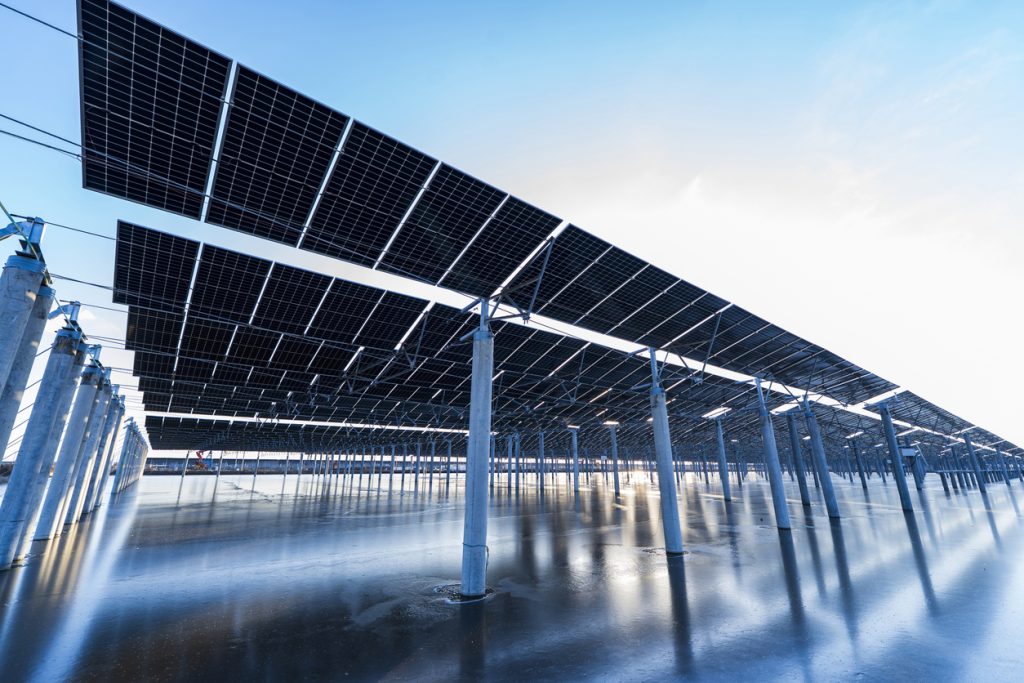
Keeping homes, shops, and businesses cool in Nigeria can be expensive, especially when electricity supply is unreliable. Between rising fuel costs and frequent power interruptions, running conventional air conditioners and refrigerators has become a serious financial burden.
A solar cooling system in Nigeria offers an alternative by using solar energy to power cooling equipment, reducing dependence on generators and grid electricity.
Whether you operate a supermarket in Lagos, manage a pharmacy in Abuja, or need reliable cooling at home, understanding how these systems work can help you make a better investment.
How Solar Cooling Systems Work in Nigeria
Solar cooling systems use electricity generated by solar panels to operate air conditioners, refrigerators, freezers, or specialised cooling equipment.
A typical installation may include solar panels, an inverter, batteries, charge controllers, and energy-efficient cooling appliances.
During daylight hours, solar panels generate electricity for cooling operations. Depending on the system design, excess energy can charge batteries for evening use.
However, not every solar installation can support an air conditioner. Cooling appliances consume considerable electricity, particularly during compressor startup.
Proper system sizing is essential before purchasing equipment.
What Does a Solar Cooling System Cost in Nigeria?
Installation costs depend on cooling capacity, battery storage, equipment quality, and operating hours.
For example, a small solar-powered refrigerator requires significantly less electricity than a commercial cold room.
Businesses should consider:
- Number and capacity of cooling appliances
- Daily operating hours
- Required battery backup
- Available rooftop installation space
- Equipment transportation and installation costs
A pharmacy operating refrigerators throughout the night needs a different configuration from an office using air conditioning mainly during working hours.
Request a detailed energy assessment and itemised quotation before committing to installation.
Where Solar Cooling Makes the Most Sense
Solar-powered cooling can be particularly useful in locations where generator expenses affect daily operations.
Supermarkets and grocery shops: Businesses selling frozen foods can use properly sized solar-supported refrigeration to reduce fuel consumption.
Pharmacies and medical facilities: Reliable temperature control is important for sensitive medicines. These facilities also need appropriate monitoring and backup arrangements.
Hotels and offices: Solar-supported air conditioning can reduce daytime electricity expenses, particularly in buildings with substantial cooling demand.
Residential properties: Homeowners in Lagos, Abuja, and Port Harcourt can combine efficient inverter air conditioners with suitable solar installations.
The actual savings depend on electricity consumption, sunlight availability, equipment efficiency, and maintenance.
Transporting Solar Cooling Equipment Without Damage
Purchasing solar equipment is only part of the process. Moving panels, batteries, refrigeration units, and installation materials safely requires careful coordination.
Solar panels can crack during rough handling, while large cooling units may require specialised loading arrangements.
For deliveries between Lagos and Abuja, equipment dimensions, road conditions, vehicle capacity, and unloading requirements should be confirmed before dispatch.
Travo.ng provides cargo logistics, delivery coordination, and transport support that businesses can use when arranging solar cooling equipment movement across Nigeria.
This is particularly useful for companies managing installations at multiple locations.
Choosing the Right Solar Cooling System in Nigeria
Before purchasing, calculate your cooling requirements rather than selecting equipment based only on advertised solar panel capacity.
Ask suppliers about warranty coverage, installation experience, battery lifespan, and maintenance availability.
Businesses should also consider future expansion. A restaurant planning to add more freezers may need additional solar generation and battery capacity later.
For equipment delivery and logistics arrangements, Travo.ng can help coordinate transportation to installation locations.
With appropriate planning, a solar cooling system in Nigeria can reduce long-term energy expenses while providing more dependable cooling for homes and businesses.
Is this conversation helpful so far?
