


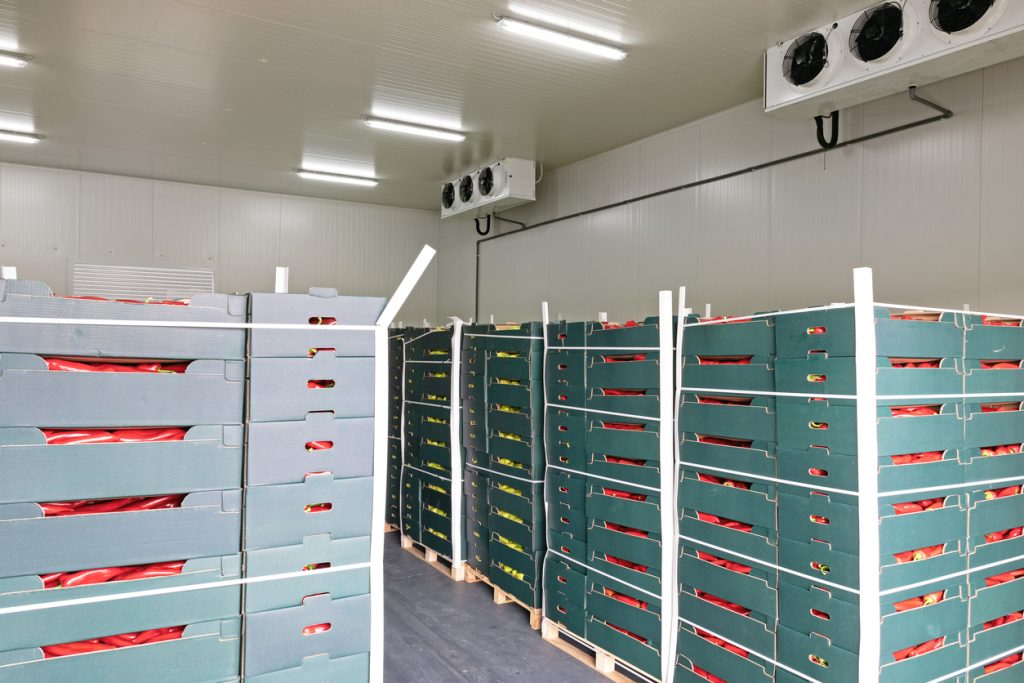
Keeping food, drinks, medicines, and other temperature-sensitive products fresh is a serious challenge for businesses dealing with unreliable electricity. With rising fuel expenses and frequent power interruptions, solar powered refrigeration in Nigeria is becoming a practical alternative for maintaining consistent cooling without depending entirely on generators.
From frozen food businesses in Lagos to agricultural suppliers in Kano, solar refrigeration helps reduce spoilage, control operating expenses, and protect valuable inventory.
However, choosing the right cooling system is only part of the process. Businesses must also consider storage capacity, installation requirements, maintenance, and reliable transportation of refrigerated products.
How Solar Powered Refrigeration Works in Nigeria
Solar refrigeration systems use electricity generated by solar panels to operate refrigerators, freezers, or cold storage units.
Depending on the design, these systems may include batteries or thermal storage that maintain cooling when sunlight is unavailable.
A typical installation includes:
- Solar panels that generate electricity during daylight.
- An energy-efficient refrigerator or freezer.
- A charge controller and compatible electrical components.
- Battery storage where required.
- Temperature monitoring equipment.
For businesses in Lagos, Abuja, and Port Harcourt, proper system sizing is important because cloudy weather, frequent door opening, and high ambient temperatures can affect cooling performance.
What Businesses Should Budget for Solar Refrigeration
The cost of solar powered refrigeration in Nigeria depends on storage capacity, equipment quality, battery requirements, and installation complexity.
A small retail shop selling frozen fish may need a solar-compatible chest freezer, while a food distributor handling several tonnes of produce requires a larger cold room.
Before purchasing equipment, businesses should calculate their daily electricity requirements and determine how many hours of cooling must continue without sunlight.
Installation costs should also cover electrical protection, ventilation, maintenance access, and temperature monitoring.
Choosing an undersized system to reduce initial expenses can eventually result in spoiled inventory and expensive repairs.
Where Solar Refrigeration Makes the Biggest Difference
Solar cooling is particularly useful for businesses operating in areas with inconsistent electricity.
In Lagos, frozen food retailers can reduce generator dependence while protecting fish, chicken, and other perishable products.
Agricultural businesses in Kaduna and Kano can use solar cold storage to preserve harvested produce before transportation to major markets.
Pharmacies and healthcare suppliers may also benefit from properly validated solar-powered refrigeration systems designed to maintain required medicine storage temperatures.
For restaurants and supermarkets, dependable refrigeration supports daily stock management and reduces losses caused by unexpected power interruptions.
Moving Refrigerated Products Without Breaking the Cold Chain
Installing solar refrigeration does not automatically solve every cold storage challenge.
Products can still deteriorate during loading, transportation, and delivery if appropriate temperatures are not maintained.
For example, frozen seafood moving from Apapa to Lekki may encounter significant traffic delays. Without suitable insulated containers or refrigerated transport, product quality can suffer before arrival.
Businesses should confirm packaging requirements, loading schedules, delivery distances, and temperature conditions before dispatching perishable goods.
Travo.ng provides cargo logistics, delivery coordination, and business logistics support that can help businesses plan product movements and arrange suitable transportation according to shipment requirements.
Choosing a Solar Refrigeration System That Fits Your Business
Before investing, consider your daily stock volume, required storage temperature, available installation space, and expected business growth.
Ask suppliers about warranty coverage, replacement parts, battery lifespan, and maintenance support within Nigeria.
Businesses handling temperature-sensitive inventory should also establish backup procedures for prolonged cloudy conditions or equipment failure.
A well-planned refrigeration system should protect products consistently rather than simply reduce electricity bills.
Plan Your Cold Storage Logistics With Travo.ng
Solar powered refrigeration in Nigeria offers businesses an opportunity to reduce generator expenses and improve product preservation.
However, reliable cooling must work alongside proper inventory handling and dependable delivery arrangements.
Travo.ng helps businesses coordinate cargo movement, delivery services, and logistics requirements across Nigeria.
Whether you operate a frozen food shop, agricultural distribution business, or growing retail operation, contact Travo.ng to discuss practical logistics support for your storage and distribution needs.
Is this conversation helpful so far?
