


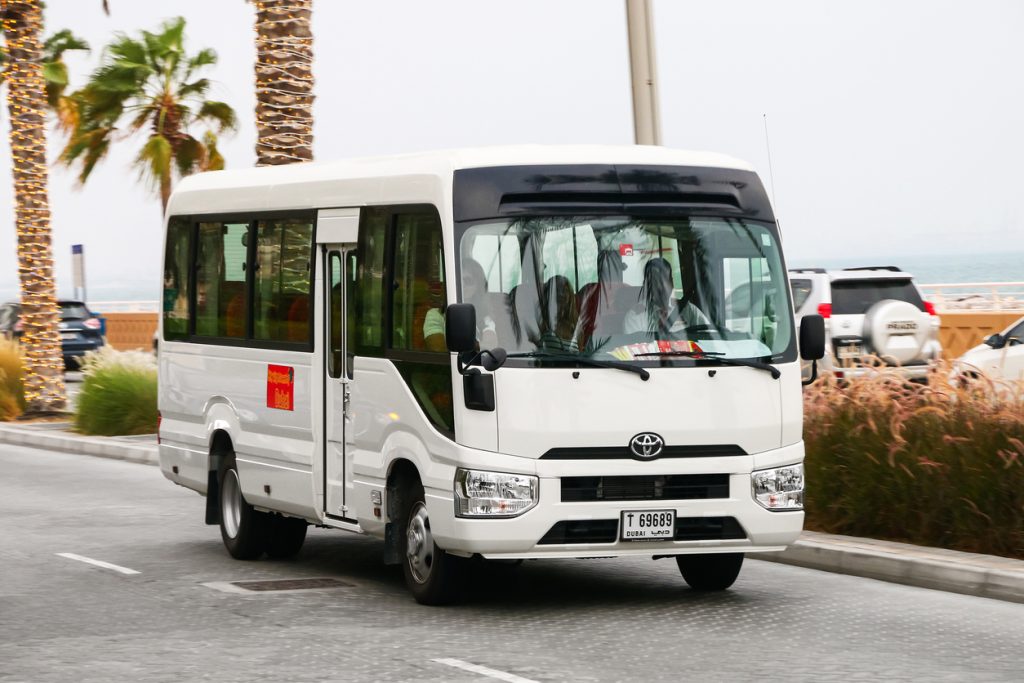
ITC Transport, commonly known as Imo Transport Company (ITC), is a Nigerian state-linked interstate transport company owned by the Imo State Government. It provides passenger bus services and cargo (waybill) logistics across major cities in Nigeria.
ITC is one of Nigeria’s long-standing traditional transport operators, especially known in the South-East region and for routes connecting Owerri, Lagos, Abuja, Port Harcourt, Enugu, and Onitsha.
Travo.ng explains this as a government-backed hub-to-hub transport system supporting interstate passenger movement and parcel logistics across Nigeria.
1. What ITC Transport Does
ITC provides:
- 🚌 Inter-state passenger transport
- 📦 Cargo and parcel (waybill) services
- 🏢 Terminal-based motor park operations
- 🚚 Long-distance road logistics
- 👥 Affordable mass transit services
👉 It mainly operates as a terminal-to-terminal transport system, not a door-to-door courier service.
2. Major Routes Covered
ITC Transport commonly operates routes such as:
- Owerri → Lagos
- Owerri → Abuja
- Owerri → Port Harcourt
- Owerri → Enugu
- Owerri → Onitsha
- Lagos → Eastern Nigeria corridors
The company has a strong operational base in Owerri, Imo State.
3. Cargo (Waybill) Services
ITC also handles:
- 📦 Interstate parcel delivery
- 🧳 Passenger luggage transport
- 🛍️ Market goods movement
- 📦 SME and trader cargo logistics
👉 Goods are registered at terminals and collected at destination parks.
Some customer reviews mention ITC as useful for waybill and interstate parcel movement, especially within Eastern Nigeria routes.
4. How ITC Transport Works
- Passenger books ticket at terminal
- Cargo is registered at the waybill section
- Items are tagged and loaded into buses
- Bus departs on scheduled interstate route
- Receiver collects goods at destination terminal
5. Key Features
- Government-linked transport structure
- Affordable interstate travel
- Passenger + cargo combined operations
- Strong South-East Nigeria coverage
- Long-standing transport history in Nigeria
6. Strengths
- Good for budget interstate travel
- Useful for traders moving goods across states
- Strong Owerri and Eastern Nigeria connectivity
- Large traditional transport network
- Frequent daily operations on busy routes
7. Limitations
- Mostly terminal-based operations
- No advanced real-time cargo tracking
- Some buses and terminals are considered outdated by travelers
- Travel experience may vary depending on route and vehicle condition
- Slower than premium luxury transport operators
Public traveler reviews commonly describe ITC as affordable and accessible, though some mention aging infrastructure and delays.
8. Who Uses ITC Transport?
- Interstate travelers
- Traders and wholesalers
- Students and relocating workers
- SMEs transporting cargo
- Market vendors moving goods interstate
9. Travo.ng Logistics Insight
From a logistics perspective, ITC Transport represents Nigeria’s traditional government-backed interstate transport model, where:
- Movement is hub-to-hub (terminal-based)
- Goods move alongside passenger buses
- It supports regional commerce and mobility
- It remains an important transport link in Eastern Nigeria
Travo.ng positions ITC as a legacy mass transit operator that continues to support affordable passenger and cargo movement across Nigeria.
