


Starting a sanitation franchise in Nigeria can be a practical business opportunity for entrepreneurs interested in waste collection, environmental cleaning, and commercial hygiene services. With growing residential estates, businesses, markets, and industrial facilities, demand for organised sanitation services continues to create opportunities.
However, running a successful sanitation business requires more than buying cleaning equipment and hiring workers. You need reliable transportation, proper waste disposal arrangements, trained staff, and an understanding of local environmental regulations.
Whether you want to operate in Lagos, Abuja, or Port Harcourt, knowing how the business works will help you avoid expensive mistakes.
Choosing the Right Sanitation Franchise in Nigeria
Sanitation businesses operate in different areas, and your choice determines your startup costs and operational requirements.
Common opportunities include:
- Residential waste collection: Scheduled refuse collection for estates and residential communities.
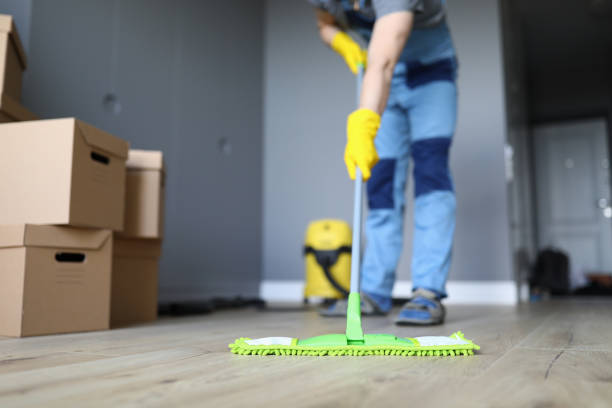
- Commercial cleaning: Sanitation services for offices, hotels, shopping complexes, and warehouses.
- Industrial sanitation: Cleaning factories, construction sites, and production facilities.
- Waste recycling: Collecting and sorting recyclable materials for approved recycling facilities.
- Public facility sanitation: Maintaining markets, event centres, and public conveniences.
For beginners, commercial cleaning may require less investment than operating waste collection trucks.
Before paying any franchise fee, confirm the company’s registration, existing operations, franchise agreement, and actual support offered.
What Does It Cost to Start a Sanitation Business?
The investment required depends on your business model, equipment, staffing, and location.
For planning purposes, a small commercial cleaning operation might require approximately ₦1 million to ₦5 million, depending on its scale.
A waste collection operation involving trucks, disposal arrangements, and specialised equipment may require substantially more.
Typical expenses include:
- Business registration and applicable permits
- Cleaning equipment and protective clothing
- Waste bins and collection materials
- Staff recruitment and training
- Vehicle rental or purchase
- Fuel, maintenance, and operational expenses
These figures are illustrative planning estimates, not verified franchise prices. Request quotations before committing funds.
Handling Waste Collection and Transportation in Lagos
Transportation is one of the biggest operational challenges facing sanitation businesses.
A company collecting waste from estates in Lekki, Ajah, and Victoria Island must consider traffic congestion, vehicle capacity, collection schedules, and approved disposal locations.
Poor route planning increases fuel consumption and delays service delivery.
Businesses should organise collection routes geographically instead of sending vehicles repeatedly across Lagos.
For transportation and equipment movement, Travo.ng offers logistics coordination and vehicle hire support that businesses can enquire about based on their operational requirements.
Getting the Necessary Permits Before Operating
Sanitation operators must understand the regulations governing their activities.
In Lagos, waste collection activities fall under the regulatory framework involving the Lagos Waste Management Authority (LAWMA). Private operators should verify the approvals required for their specific services.
Requirements vary across Nigerian states.
Before launching, confirm:
- Applicable environmental permits
- Approved waste handling procedures
- Staff safety requirements
- Authorised disposal arrangements
- Business registration obligations
Never assume that purchasing a franchise automatically grants permission to collect or transport waste.
Finding Customers and Securing Regular Contracts
A sanitation franchise in Nigeria becomes more financially sustainable when customers sign recurring service agreements.
Residential estates, restaurants, schools, hospitals, and office complexes may require scheduled cleaning or waste management services.
Start by approaching estate managers and facility management companies within a manageable service area.
Clearly explain collection frequency, service charges, payment terms, and complaint resolution procedures.
Reliable scheduling and prompt communication often help retain customers.
Building a Sanitation Business That Can Grow
Successful sanitation operations depend on consistent service delivery, controlled expenses, and dependable logistics.
As your customer base expands, additional vehicles, equipment transportation, and operational coordination may become necessary.
Travo.ng can support relevant transportation and logistics arrangements, helping businesses plan equipment movement and operational deliveries.
If you are considering a sanitation franchise in Nigeria, begin with a realistic budget, verify regulatory requirements, and secure dependable service contracts before expanding.
