


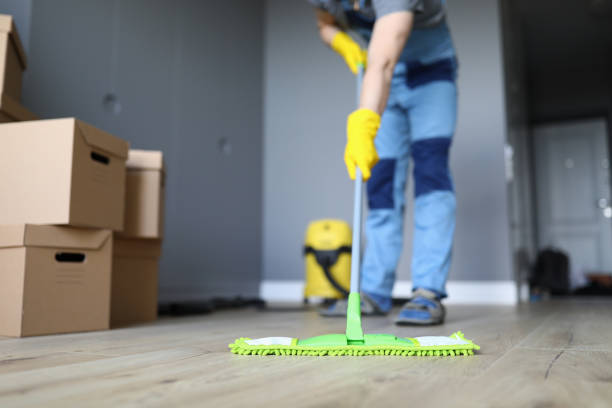
Maintaining a clean environment in Nigeria requires more than occasional sweeping or waste disposal. Homes, offices, restaurants, construction sites, and commercial facilities need reliable sanitation arrangements to prevent waste accumulation and maintain hygienic surroundings.
Finding dependable sanitation services in Nigeria can be challenging, especially in busy cities like Lagos, Abuja, and Port Harcourt, where waste collection schedules, traffic congestion, and poor drainage can affect daily operations.
Whether you manage an office in Victoria Island or a residential property in Lekki, understanding how sanitation services work helps you avoid unnecessary expenses and environmental problems.
What Sanitation Services in Nigeria Actually Cover
Sanitation involves several activities depending on the property, waste type, and required cleaning frequency.
Common services include:
- Residential and commercial waste collection
- Office and facility cleaning
- Drainage and gutter clearing
- Waste transportation and disposal coordination
- Post-construction site cleaning
- Industrial sanitation support
- Scheduled environmental maintenance
For example, a restaurant in Ikeja may require daily waste removal because food waste decomposes quickly, while an office in Abuja might operate comfortably with scheduled collection several times weekly.
The appropriate arrangement depends on waste volume, operating hours, and local environmental requirements.
How Businesses Handle Waste Collection in Lagos
Lagos businesses face particular sanitation challenges because of population density, restricted access roads, and unpredictable traffic.
A commercial facility in Lekki Phase 1 may generate substantial packaging waste, food containers, and general refuse throughout the week.
Without proper collection arrangements, waste can accumulate before the next scheduled pickup.
Businesses should establish collection schedules based on actual waste generation rather than waiting until bins overflow.
They should also confirm that waste handlers use approved disposal facilities and comply with applicable Lagos State environmental regulations.
Travo.ng can support related transport coordination and logistics requirements where businesses need assistance moving equipment, supplies, or other permitted materials.
What Determines the Cost of Sanitation Services?
Sanitation charges vary across Nigeria depending on the work involved.
Several factors influence pricing:
- Property size: Larger premises require more cleaning time and personnel.
- Waste volume: Commercial properties often generate more refuse than households.
- Collection frequency: Daily services generally cost more than weekly arrangements.
- Location: Transport distances and accessibility affect operational expenses.
- Special requirements: Drainage cleaning, industrial waste, and intensive sanitation may attract additional charges.
A small office in Surulere will typically have different sanitation requirements from a warehouse in Apapa.
Request a detailed quotation specifying collection frequency, transportation charges, equipment, and disposal arrangements before committing.
Choosing Reliable Sanitation Services in Nigeria
Before hiring a sanitation provider, confirm that the company understands your property’s specific needs.
Ask whether the provider has the necessary environmental approvals, suitable equipment, trained personnel, and dependable collection arrangements.
Businesses handling chemicals, medical waste, or other hazardous materials must use appropriately licensed waste handlers.
Avoid choosing providers based entirely on low prices. Unreliable collection can create unpleasant working conditions, attract pests, and disrupt business operations.
Keeping Sanitation Operations Organised
Good sanitation planning also involves transportation, equipment delivery, and proper scheduling.
For businesses managing multiple locations, coordinating cleaning supplies and operational logistics can become complicated.
Travo.ng offers transport coordination, delivery services, and business logistics support that can complement sanitation operations.
Companies can arrange relevant logistics assistance while engaging qualified sanitation professionals for cleaning, waste treatment, and disposal.
With proper planning, regular collection, and dependable logistics support, maintaining cleaner residential and commercial environments across Nigeria becomes easier and more manageable.
