


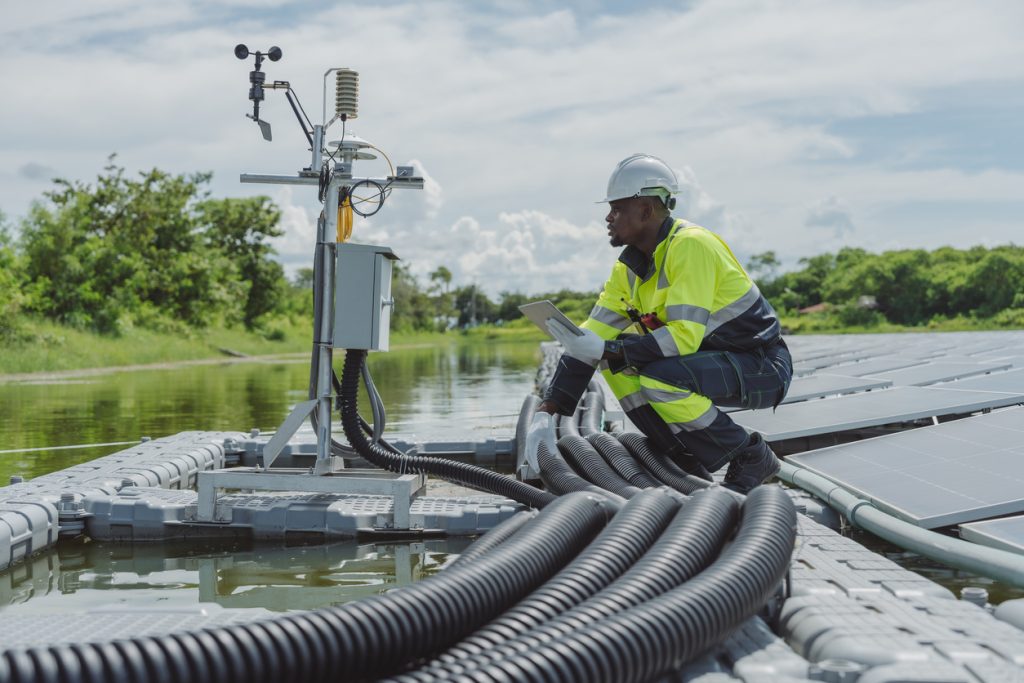
Getting a reliable water supply in Nigeria is not always straightforward. A borehole may stop pumping, water pressure may drop unexpectedly, or a newly installed water system may fail after a few months. These problems can disrupt households, hotels, factories, and commercial buildings.
Hiring a qualified water engineer in Nigeria helps property owners identify the actual problem before spending money on repairs or new equipment.
However, successful water projects involve more than technical expertise. Engineers also need dependable access to pumps, pipes, storage tanks, filtration equipment, and transportation to installation sites.
Understanding how water engineering works can help you avoid unnecessary expenses and keep your water supply running.
What Does a Water Engineer in Nigeria Actually Do?
Water engineers design, install, maintain, and improve systems used to supply, distribute, and treat water.
Their responsibilities depend on the type of property and the water challenges involved.
Common services include:
- Borehole assessment and water supply system design
- Water pump installation and maintenance
- Water treatment and filtration system planning
- Storage tank and pipeline installation
- Water pressure testing and troubleshooting
- Industrial water distribution system design
- Water supply infrastructure maintenance
For example, a hotel in Lekki experiencing frequent water shortages may need more than another storage tank.
A water engineer can assess daily consumption, pump capacity, storage requirements, and distribution pressure before recommending improvements.
This approach reduces the risk of purchasing equipment that does not solve the underlying problem.
Common Water Supply Problems Engineers Handle in Nigeria
Water challenges vary across Nigerian cities.
In Lagos, some properties experience groundwater quality issues, including salinity or elevated iron levels. In Abuja, growing residential estates may require additional borehole capacity and properly designed distribution systems.
Businesses in Port Harcourt may also need water treatment systems suited to their particular groundwater conditions.
Typical problems include:
Low water pressure: Undersized pumps, leaking pipelines, blocked filters, or poor system design can reduce water flow.
Frequent pump breakdowns: Voltage fluctuations, dry running, improper installation, and unsuitable pump selection can shorten equipment lifespan.
Contaminated water: Groundwater may contain microorganisms, dissolved minerals, or other contaminants requiring appropriate testing and treatment.
Insufficient storage: Hotels, schools, and apartment buildings need storage capacity that reflects actual consumption and supply interruptions.
A competent engineer investigates these issues before recommending replacement equipment.
How Much Does Hiring a Water Engineer in Nigeria Cost?
The cost depends on the project location, complexity, equipment requirements, and scope of work.
A basic pump inspection generally costs less than designing a complete water supply system for an industrial facility.
Expenses may include site assessments, engineering consultations, equipment purchases, installation labour, testing, and transportation.
For properties outside major commercial centres, moving drilling equipment, water tanks, pumps, and installation materials can increase the overall budget.
Before approving a quotation, request a breakdown showing labour, materials, transportation, testing, and maintenance provisions.
This makes it easier to compare contractors and identify unexpected charges.
Getting Water Engineering Equipment Delivered to Your Site
One challenge property owners overlook is transporting equipment to the installation location.
A water engineer working on a commercial property in Ikeja may need pumps and fittings from different suppliers across Lagos.
Similarly, a borehole project in Ogun State may require pipes, storage tanks, and electrical components transported from Lagos distributors.
Poor delivery coordination can delay installation, increase labour costs, and leave technicians waiting for essential materials.
Travo.ng supports these operational needs through cargo logistics, delivery coordination, and transport services.
Businesses and contractors can arrange transportation for suitable equipment and supplies, helping materials reach project locations according to the agreed schedule.
For large tanks or heavy equipment, confirm dimensions, weight, loading requirements, and vehicle suitability before booking transportation.
How to Choose a Reliable Water Engineer in Nigeria
Not every technician offering borehole or pump services has the qualifications required for complex water engineering projects.
Before hiring, consider the following:
- Relevant experience: Ask whether the engineer has handled similar residential, commercial, or industrial installations.
- Professional qualifications: Verify relevant engineering credentials and applicable professional registration.
- Site assessment: Avoid contractors who recommend expensive equipment without examining the existing system.
- Detailed quotations: Request clear information about equipment specifications, labour, and additional charges.
- Maintenance arrangements: Confirm whether the contractor provides testing, servicing, and post-installation support.
For drinking-water systems, laboratory water testing is particularly important. Clear-looking water is not necessarily safe for consumption.
Planning Water Engineering Projects Without Unnecessary Delays
Water engineering projects run more smoothly when technical work and material deliveries are coordinated from the beginning.
Confirm equipment availability before scheduling installation teams. Allow sufficient time for transportation, site preparation, electrical work, and system testing.
For businesses operating across several locations, centralising equipment procurement and delivery planning can also reduce repeated transport expenses.
Travo.ng can assist with logistics coordination, equipment transportation, and delivery support for water infrastructure projects across Nigeria.
Get Practical Logistics Support for Your Water Project
Finding a qualified water engineer in Nigeria is the first step toward improving water supply reliability. Proper planning, suitable equipment, and timely material delivery are equally important.
Whether you are installing a borehole, upgrading a commercial water system, or transporting equipment to a project site, reliable logistics can help prevent avoidable delays.
Contact Travo.ng for equipment delivery, cargo transportation, and logistics support for your next water engineering project in Nigeria.
