


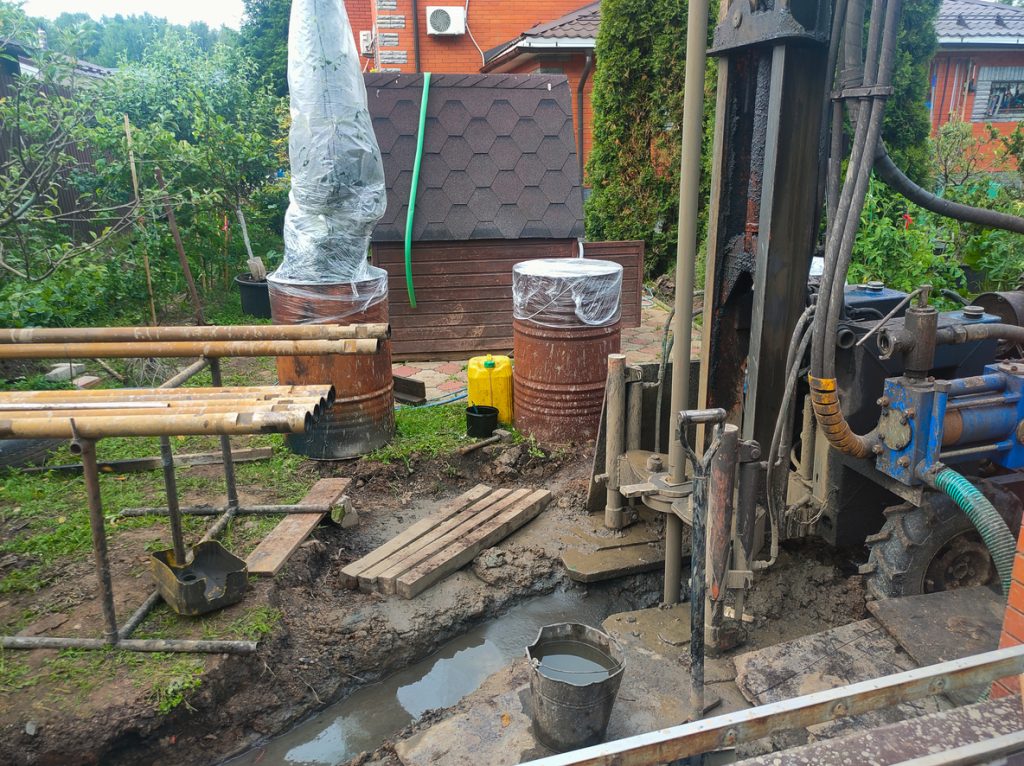
A borehole can supply water for years, but without proper maintenance, even a good installation can develop problems. Low water pressure, dirty water, unusual pump noises, and frequent breakdowns are common complaints among Nigerian homeowners and businesses.
Regular borehole servicing in Nigeria helps prevent unexpected water shortages, expensive repairs, and damage to pumping equipment.
Whether you manage a residential property in Lagos, a hotel in Abuja, or a commercial building in Port Harcourt, knowing when to service your borehole can save money and reduce disruptions.
Signs Your Borehole Needs Professional Servicing
Most boreholes do not stop working without warning. There are usually signs that something is wrong before the system breaks down completely.
Watch out for these problems:
- Reduced water pressure: Water enters your storage tank more slowly than usual.
- Dirty or cloudy water: Sand, sediment, or discolouration appears in the water.
- Unusual pump sounds: Grinding, vibration, or repeated clicking occurs during operation.
- Frequent pump shutdowns: The pumping system switches off unexpectedly.
- Higher electricity consumption: The pump runs longer than normal to fill the same tank.
For example, a household in Lekki that previously filled a 2,000-litre tank within a reasonable pumping period may notice that the process suddenly takes much longer.
The problem could involve a blocked filter, worn pump components, falling groundwater levels, or electrical faults. A technician should diagnose the cause before replacing expensive equipment.
What Happens During Borehole Servicing in Nigeria?
Professional borehole maintenance involves more than removing the pump and cleaning it.
A technician typically begins by checking the system’s performance and identifying the source of the problem.
Depending on the condition of the borehole, servicing may involve:
- Inspecting the submersible pump and electrical connections.
- Checking water pressure and pumping performance.
- Cleaning or replacing blocked filters.
- Examining pipes, valves, and control panels.
- Removing accumulated sediment where necessary.
- Testing the system after repairs.
If water quality has changed, laboratory testing may also be necessary. Clear water is not automatically safe for drinking, and cleaning alone cannot confirm that contamination has been eliminated.
How Much Does Borehole Servicing Cost in Nigeria?
The cost depends on the type of fault, borehole depth, pump capacity, accessibility, and whether replacement components are required.
A simple electrical inspection will generally cost less than retrieving a deep submersible pump or carrying out extensive borehole rehabilitation.
Properties in Lagos, Abuja, and Port Harcourt may also face different labour and equipment transportation charges.
Before approving repairs, request a quotation showing the inspection fee, labour charges, replacement parts, and equipment transportation costs.
Avoid paying for a new pump until the technician confirms that the existing one cannot be repaired economically.
How Often Should You Service Your Borehole?
For many residential properties, arranging a professional inspection at least once a year is a sensible starting point.
Commercial facilities that depend heavily on borehole water may require more frequent inspections.
A hotel in Victoria Island, for example, cannot afford prolonged water interruptions during periods of high occupancy. Regular checks can help identify pump problems before guests are affected.
Properties with sandy water, recurring electrical faults, or heavy daily water consumption may need additional attention.
The appropriate servicing schedule should follow the equipment manufacturer’s recommendations and the actual condition of the water system.
Getting Borehole Equipment Delivered Without Delays
One challenge property owners face during borehole repairs is sourcing and transporting replacement equipment.
Submersible pumps, pipes, electrical control boxes, cables, and other components may need to be collected from different suppliers.
In Lagos, moving equipment from a supplier in Ikeja to a property in Lekki can become difficult during heavy traffic.
For larger commercial installations, transporting long pipes or heavy pumping equipment may require a suitable delivery vehicle.
Travo.ng provides logistics and transport coordination services that can support the movement of borehole equipment, spare parts, and maintenance supplies.
Businesses managing multiple properties can also arrange deliveries between suppliers and maintenance locations, reducing unnecessary transportation delays.
Mistakes That Make Borehole Repairs More Expensive
Some maintenance problems become serious because property owners delay repairs or use unsuitable replacement parts.
Common mistakes include running a pump despite unusual noises, repeatedly restarting a faulty system, and allowing unqualified workers to handle electrical connections.
Another mistake is replacing a pump without investigating the original fault. If low voltage or dry running caused the first failure, the replacement could develop the same problem.
Always use a qualified technician and confirm that replacement components match the system’s specifications.
Keep Your Water Supply Reliable With Proper Planning
Reliable water supply is essential for Nigerian homes, schools, hotels, offices, and manufacturing facilities.
Scheduling inspections, responding quickly to warning signs, and keeping maintenance records can reduce unexpected breakdowns.
When repairs require replacement pumps, pipes, or other supplies, Travo.ng can assist with equipment delivery and logistics coordination, subject to service availability.
For dependable borehole servicing in Nigeria, combine professional technical maintenance with proper planning and timely equipment transportation. This helps keep water systems running while reducing avoidable repair expenses.
