


Water billing in Nigeria can be confusing, especially for households and businesses that depend on different water sources. Some residents receive bills from public water utilities, while others pay private suppliers, estate managers, or water tanker operators.
In cities like Lagos, Abuja, and Port Harcourt, water expenses can vary significantly depending on location, supply reliability, household consumption, and the type of water service available.
Understanding how water charges work helps you avoid unnecessary expenses, identify billing errors, and plan your monthly budget. For properties experiencing irregular supply, arranging water delivery through logistics providers such as Travo.ng can also help maintain a more predictable supply schedule.
How Water Billing Works in Nigeria
Water billing depends largely on the provider supplying the property.
Public water utilities may charge customers using metered consumption or approved tariffs for properties without functioning meters. Private estates sometimes collect monthly water maintenance fees, while independent suppliers charge according to the quantity delivered.
Common billing arrangements include:
- Metered billing: Customers pay according to recorded water consumption.
- Flat-rate billing: A fixed charge applies regardless of actual usage.
- Estate water charges: Residents contribute towards pumping, treatment, maintenance, and electricity.
- Pay-as-you-use supply: Customers purchase water whenever their tanks require refilling.
- Commercial billing: Businesses may face different tariffs based on their customer classification and consumption.
Before paying any water bill, confirm which billing arrangement applies to your property.
What Determines Water Bills in Lagos and Other Cities?
Water costs are not uniform across Nigeria.
A household connected to a functioning public water network may have different expenses from a family purchasing water from private suppliers.
In Lagos neighbourhoods such as Lekki, Ajah, Ikeja, and Victoria Island, water costs can be influenced by borehole maintenance, electricity tariffs, diesel prices, and the availability of reliable public supply.
For example, an apartment building operating a central borehole may distribute pumping and maintenance costs among tenants.
Meanwhile, a restaurant in Abuja that requires regular water deliveries may spend more because of daily cleaning, food preparation, and sanitation requirements.
Other factors affecting water charges include property size, number of occupants, water treatment requirements, and seasonal supply interruptions.
How to Check Your Water Bill for Errors
Incorrect water billing can happen when meter readings are estimated, customer records are outdated, or previous payments are not properly recorded.
Before making payment, examine the following details:
- Confirm that the customer name and property address are correct.
- Compare the current meter reading with the previous reading.
- Check the tariff applied to your customer category.
- Review outstanding balances and previous payments.
- Contact your water provider if consumption appears unusually high.
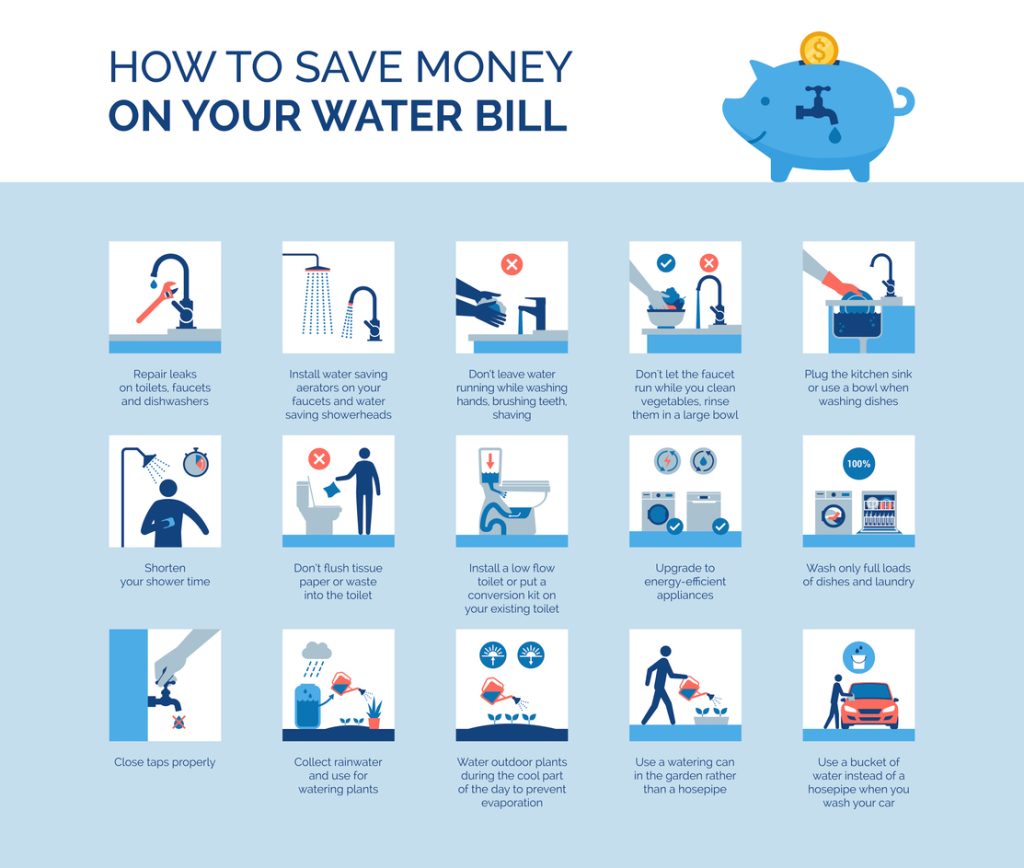
If your bill suddenly increases without a corresponding change in water usage, inspect the property for leaking pipes, faulty toilet systems, or underground water losses.
For metered properties, recording meter readings monthly can help identify unusual consumption early.
Managing Water Billing in Nigeria Without Overspending
Reducing water expenses does not necessarily mean restricting essential household activities.
Small operational changes can prevent unnecessary consumption and make monthly expenses easier to predict.
Start by repairing leaking taps, installing efficient plumbing fixtures, and checking overhead tanks for overflow.
Properties using electric pumping systems should also inspect automatic pump controls. A faulty control system can waste water and increase electricity costs.
For businesses, maintaining a simple water consumption record is particularly useful.
Hotels, restaurants, laundries, and cleaning companies can compare weekly water usage against customer activity to identify unnecessary expenses.
Where private water supply is required, requesting quotations from different suppliers can help establish reasonable delivery costs.
When Scheduled Water Delivery Makes More Sense
Not every property has reliable access to public water infrastructure.
Some households depend on boreholes, while others experience interruptions caused by pumping failures, electricity problems, or maintenance work.
In these situations, scheduled water delivery can provide an alternative.
For example, a small hotel in Lekki may need additional water before a busy weekend. Waiting until its storage tanks are empty could disrupt guest services.
Planning deliveries ahead allows the business to coordinate supply before demand becomes urgent.
Travo.ng offers transport and logistics coordination services that can support arrangements for moving essential supplies. Customers requiring water delivery support can enquire about suitable transport arrangements, vehicle availability, and delivery requirements.
Before confirming any arrangement, establish the required water volume, source, intended use, and delivery location.
Common Mistakes That Increase Water Expenses
Many Nigerian households pay more for water because they focus only on the amount charged rather than the factors driving consumption.
Common mistakes include ignoring minor plumbing leaks, failing to monitor storage tanks, and purchasing emergency water supplies without comparing costs.
Another problem is relying on a single supplier without planning for interruptions.
During periods of high demand, emergency deliveries may become more expensive because of transportation costs and limited vehicle availability.
For businesses, keeping adequate storage capacity and arranging deliveries in advance can reduce the risk of operational disruptions.
Water intended for drinking or food preparation should also come from an appropriate, verified source. Delivery convenience should never replace water quality checks.
Plan Your Water Supply and Billing With Travo.ng
Managing water billing in Nigeria starts with understanding your charges, monitoring consumption, and choosing a dependable supply arrangement.
Whether you live in a residential estate, manage rental apartments, or operate a business, accurate billing records and proper water planning can help control expenses.
When water transportation becomes necessary, Travo.ng can assist with enquiries about logistics and delivery coordination based on the requirements of your location.
Contact Travo.ng to discuss your water delivery logistics needs and plan a suitable supply arrangement for your home or business.
