


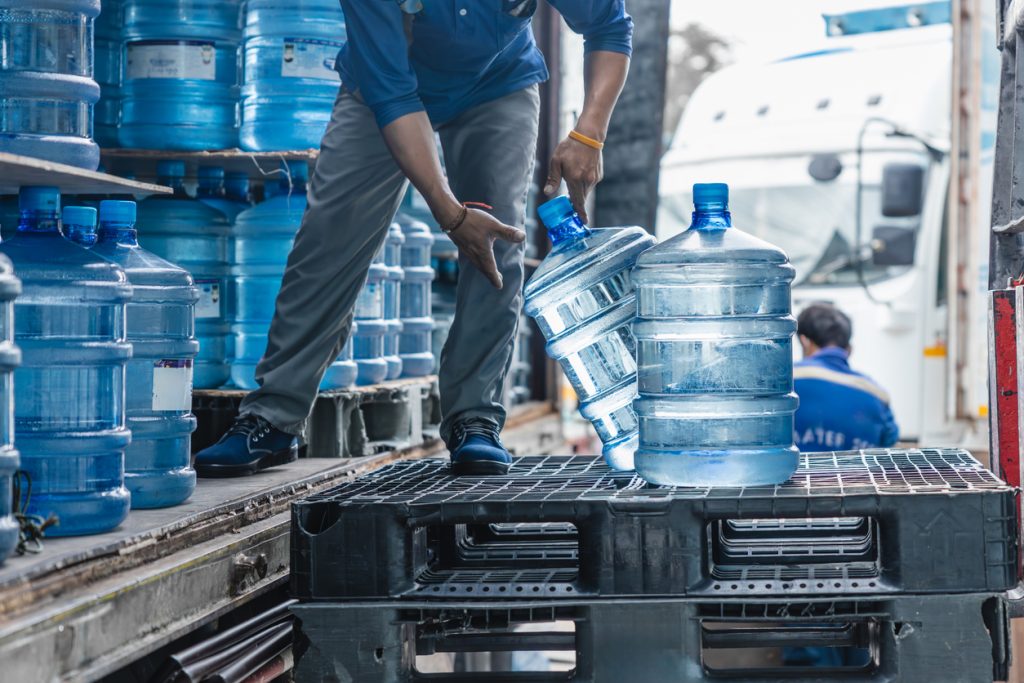
Getting a reliable water supply in Nigeria can be frustrating, especially when boreholes stop working, public water supply becomes irregular, or businesses suddenly run out of water. Whether you manage a household, restaurant, hotel, construction site, or office, finding a dependable water service provider in Nigeria helps you avoid unnecessary disruptions.
In cities like Lagos, Abuja, and Port Harcourt, water availability varies significantly between neighbourhoods. Some properties depend on boreholes, while others rely on water tankers or scheduled deliveries.
Travo.ng helps customers coordinate practical water delivery and logistics arrangements, making it easier to plan water supply for residential and commercial needs.
When You Need a Reliable Water Service Provider in Nigeria
Water shortages do not always come with a warning. A faulty pumping machine in Lekki can leave an entire apartment building without water, while a restaurant in Ikeja may struggle to operate when its storage tanks run dry.
A dependable provider can help arrange water deliveries based on the quantity required, location, accessibility, and urgency.
Common situations requiring water delivery include:
- Residential estates experiencing borehole failures
- Hotels and short-let apartments managing guest demand
- Restaurants needing water for cleaning and daily operations
- Construction sites requiring water for mixing and curing
- Offices and commercial facilities experiencing supply interruptions
- Event venues preparing for large gatherings
For businesses, arranging water supply before an emergency is usually more practical than searching for a tanker after operations have stopped.
How Water Delivery Works in Lagos and Other Nigerian Cities
Water delivery arrangements depend on the customer’s location, required volume, and available suppliers.
For example, delivering water to a property in Victoria Island may require different planning from supplying a construction site in Ajah.
Lagos traffic, narrow estate roads, tanker availability, and restricted delivery hours can all affect scheduling.
A typical water delivery arrangement involves:
- Confirming the delivery address and water requirements.
- Identifying whether the water is needed for drinking, domestic use, or industrial purposes.
- Checking available storage capacity.
- Confirming tanker access and delivery timing.
- Agreeing on pricing before dispatch.
- Checking the delivered quantity and water condition upon arrival.
Travo.ng can support transport coordination and delivery planning, helping customers organise supply arrangements without unnecessary delays.
What Does Water Delivery Cost in Nigeria?
The cost of water delivery depends on several factors, so customers should request a quotation rather than assume a fixed national price.
For instance, a property requiring a large tanker delivery in Lekki may pay more than a nearby customer with easier road access.
The main pricing factors include:
- Water quantity: Larger deliveries generally cost more overall.
- Delivery distance: Longer journeys increase transportation expenses.
- Water source: Treated potable water may cost more than untreated utility water.
- Vehicle size: Tanker capacity affects transport arrangements.
- Urgency: Emergency requests may attract additional charges.
- Accessibility: Difficult roads or restricted estate access can increase delivery costs.
Always confirm whether the quotation covers transportation, water supply, pumping, and any additional handling charges.
Choosing Safe Water for Your Home or Business
Not every water supplier provides water suitable for drinking.
Water intended for construction, cleaning, or other industrial activities may not meet drinking-water standards.
Before booking a water service provider in Nigeria, ask about the water source, treatment process, tanker cleanliness, and any available laboratory test results.
For drinking and food preparation, request evidence that the water meets applicable Nigerian drinking-water quality standards.
Also inspect your storage tanks. Even properly treated water can become contaminated when delivered into dirty or uncovered tanks.
How Businesses Can Avoid Unexpected Water Shortages
Businesses that depend heavily on water should avoid waiting until their tanks are empty before contacting suppliers.
A hotel in Abuja, for example, can estimate daily water consumption based on room occupancy, laundry operations, kitchen activities, and cleaning requirements.
Restaurants, schools, and manufacturing facilities can adopt similar planning methods.
Keeping basic consumption records makes it easier to schedule deliveries and identify unusual increases in water usage.
Where regular deliveries are necessary, businesses should establish a dependable supply schedule and maintain backup arrangements.
Travo.ng’s business logistics support and transport coordination services can help organisations plan recurring delivery requirements more efficiently.
Arrange Water Delivery Support With Travo.ng
Finding a suitable water service provider in Nigeria involves more than locating someone with a tanker. Customers need clear pricing, suitable water quality, realistic delivery schedules, and dependable communication.
Before confirming any arrangement, provide your location, required quantity, intended water use, and preferred delivery date.
Travo.ng offers logistics and delivery coordination support for households and businesses seeking practical supply solutions.
Whether you need water delivered to a residential property in Lagos or want to organise recurring deliveries for commercial operations, contact Travo.ng to discuss available coordination options and arrange a suitable service.
