


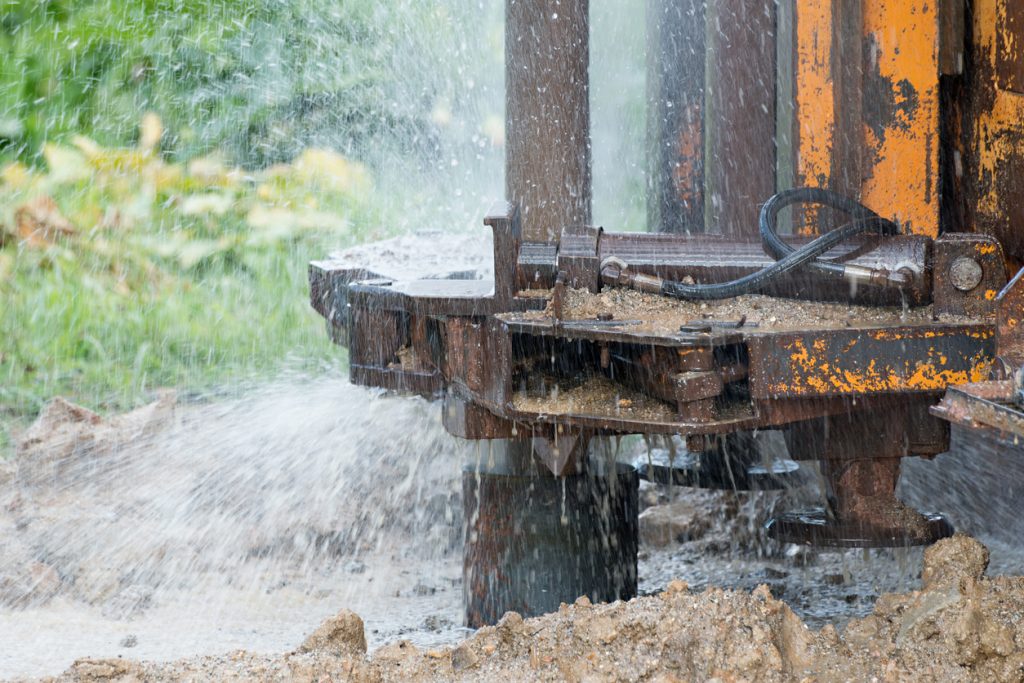
Clean water access in Nigeria remains a daily challenge for many households, businesses, schools, and healthcare facilities. Even in major cities like Lagos, Abuja, and Port Harcourt, having running water does not always mean having water that is safe for drinking, cooking, or other household activities.
Some neighbourhoods depend on boreholes, while others rely on water vendors, storage tanks, or private suppliers. When pumps break down, electricity fails, or water deliveries are delayed, families and businesses can quickly run into difficulties.
Securing a dependable water supply requires more than finding a nearby vendor. It involves checking water quality, planning storage, understanding delivery costs, and arranging reliable supply when demand increases.
Why Clean Water Is Still Difficult to Access in Nigerian Cities
Water supply challenges differ across Nigerian communities.
In parts of Lagos, including Lekki, Ajah, Ikorodu, and Ibeju-Lekki, residents may depend heavily on boreholes and private water suppliers. Some borehole sources contain high levels of dissolved minerals, iron, or salt, making treatment necessary before certain uses.
In Abuja, developing residential areas may experience limited public water infrastructure, leaving households dependent on private boreholes or tanker deliveries.
The most common challenges include:
- Inconsistent public water supply
- High borehole drilling and maintenance costs
- Electricity shortages affecting pumping systems
- Contaminated wells and poorly maintained storage tanks
- Expensive emergency water deliveries
- Seasonal shortages during periods of increased demand
These problems make reliable water supply planning important for both residential and commercial properties.
How Much Does It Cost to Get Clean Water in Nigeria?
The cost of accessing water depends on location, source, quantity, treatment requirements, and delivery distance.
A household in Ikeja with a functioning borehole may spend primarily on electricity, filtration, and maintenance. Meanwhile, a business in Lekki relying on tanker deliveries must account for transportation, supplier availability, and storage capacity.
Water costs can also increase when fuel prices rise or delivery vehicles must travel long distances.
Before paying a supplier, customers should confirm:
- The quantity of water being delivered
- Whether the water is treated and suitable for its intended use
- Transportation and pumping charges
- Expected delivery time
- Any additional fees for difficult property access
Comparing the full delivered cost is more useful than choosing a supplier based only on the advertised price.
Choosing Safe Water for Drinking and Household Use
Not every water source is suitable for drinking.
Clear-looking borehole water may still contain microorganisms or chemical contaminants. Similarly, water stored in an uncovered tank can become contaminated even when it was initially treated.
For drinking and cooking, households should use water that has been appropriately tested and treated.
Boiling can reduce microbial risks, but it does not remove dissolved salts, heavy metals, or other chemical contaminants.
Regular tank cleaning, covered storage containers, and properly maintained filtration systems also help protect water quality.
For homes purchasing water in bulk, asking suppliers about their source and recent water quality testing is a sensible precaution.
How Businesses Can Maintain Clean Water Access in Nigeria
Restaurants, hotels, laundries, schools, and manufacturing facilities often require larger and more predictable water volumes than individual households.
A restaurant in Victoria Island, for example, cannot afford to discover during lunch preparation that its storage tank is empty. Similarly, a hotel in Abuja needs dependable water for guest rooms, cleaning, and daily operations.
Businesses should calculate their average daily consumption and maintain suitable reserve capacity.
A practical supply arrangement should include a regular delivery schedule, emergency supplier contacts, and checks to ensure storage tanks remain clean.
Travo.ng can support businesses with relevant logistics and transport coordination, helping them plan delivery arrangements and reduce avoidable supply disruptions. Water sourcing, treatment, and quality verification should still be confirmed with qualified suppliers.
Planning Water Deliveries Around Lagos Traffic
Transport conditions can significantly affect water delivery schedules.
A tanker travelling from a supply point to Lekki may encounter delays around major junctions, particularly during morning and evening traffic.
Properties with narrow access roads or restricted vehicle entry may also require smaller delivery vehicles or additional pumping arrangements.
To reduce problems, customers should confirm vehicle access, storage capacity, unloading requirements, and delivery windows before placing an order.
Scheduling deliveries before tanks are nearly empty provides additional protection against unexpected delays.
A More Practical Approach to Reliable Water Supply
Improving clean water access in Nigeria requires investment in infrastructure, proper water treatment, dependable storage, and better delivery planning.
For households, the priority should be identifying safe water sources and preventing contamination during storage.
For businesses, reliable supply arrangements and contingency planning are equally important.
Travo.ng offers logistics and transport coordination services that can support water-related delivery planning where suitable arrangements are available.
Whether managing a residential property in Lagos or coordinating supplies for a commercial facility in Abuja, planning ahead can reduce unnecessary expenses and interruptions.
Contact Travo.ng to discuss suitable delivery and logistics support for your water supply needs in Nigeria.
