


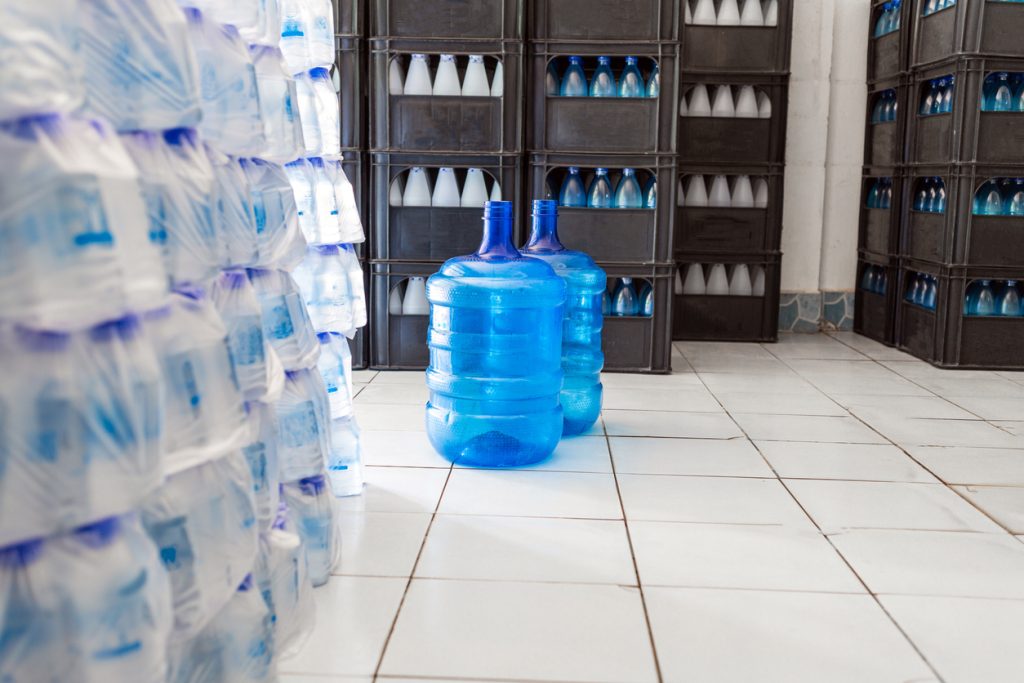
Getting clean water regularly remains a challenge for many Nigerian households and businesses. In cities like Lagos, Abuja, and Port Harcourt, unreliable public water supply often forces residents to depend on boreholes, water vendors, and private delivery services.
Paygo water in Nigeria offers a flexible alternative by allowing customers to pay for water according to their consumption instead of committing to large upfront payments.
For families, small businesses, and commercial properties, this approach can make water expenses easier to manage while reducing unnecessary spending.
How Paygo Water in Nigeria Works
Pay-as-you-go water systems allow customers to purchase water based on their immediate needs.
Depending on the provider, customers may use prepaid meters, digital payment platforms, or scheduled water deliveries.
For example, a household in Lekki experiencing irregular borehole supply might prefer purchasing smaller quantities of water rather than paying for an entire tanker.
Similarly, a restaurant in Ikeja may arrange water deliveries according to daily kitchen operations and cleaning requirements.
The important consideration is choosing a provider that offers transparent pricing, dependable supply, and appropriate water quality.
What Does Paygo Water Cost in Nigeria?
Water expenses depend on location, quantity, delivery distance, and the source of supply.
Customers in areas such as Victoria Island, Ajah, and Surulere may encounter different charges because of transportation costs and accessibility.
Before purchasing water, consider:
- The price per litre or cubic metre.
- Minimum purchase quantities.
- Delivery and transportation charges.
- Water treatment and quality assurance.
- Emergency supply fees.
A cheaper supplier may become expensive when additional transportation charges are included.
Businesses should request a complete quotation before arranging recurring deliveries.
Managing Water Supply During Lagos Shortages
Water shortages can interrupt everyday activities, particularly in densely populated residential and commercial areas.
Restaurants require water for food preparation and sanitation, while hotels need consistent supplies for guest rooms, laundry, and cleaning.
Households also face difficulties when borehole pumps fail or electricity interruptions affect pumping systems.
Planning ahead helps prevent these disruptions.
Property managers should monitor storage tank levels, estimate daily consumption, and arrange replacement supplies before existing reserves run out.
For businesses operating across multiple locations, coordinated transport and delivery scheduling can reduce delays.
Travo.ng provides transport coordination and logistics support that can assist with arranging suitable delivery movements, subject to service availability.
Choosing a Reliable Paygo Water Provider
Not every water supplier offers the same service quality.
Before selecting a provider, confirm whether the water is suitable for drinking, cooking, cleaning, or industrial use.
Water intended for consumption should meet applicable safety standards.
Also check delivery schedules, payment arrangements, and how suppliers handle unexpected shortages.
For commercial customers, maintaining a backup supplier is particularly useful during dry-season demand increases or equipment breakdowns.
A dependable arrangement should provide clear communication whenever deliveries are delayed.
Making Water Delivery More Convenient With Travo.ng
Reliable transportation is an important part of maintaining regular water supplies, especially when customers depend on external vendors.
Travo.ng supports Nigerian households and businesses through delivery coordination, cargo logistics, and business transport solutions.
Customers arranging bulk water movements can enquire about suitable logistics assistance, vehicle availability, and delivery scheduling.
Combining flexible water purchasing with organised transportation helps reduce supply interruptions and unnecessary costs.
For households, restaurants, offices, and property managers, paygo water in Nigeria can provide greater control over water spending.
The best approach is to choose a trustworthy supplier, monitor consumption, and organise deliveries around actual demand.
With practical logistics planning and support from Travo.ng, managing regular water deliveries can become simpler and more predictable.
