


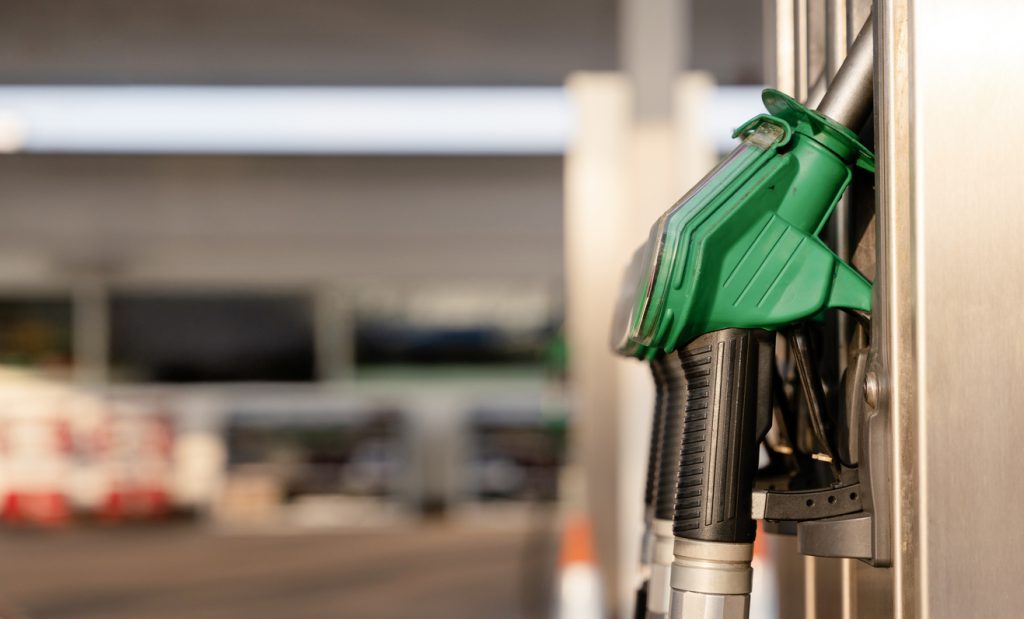
Fuel expenses can quickly become difficult to manage when a business operates several vehicles across different Nigerian cities. Between changing pump prices, long-distance journeys, and unauthorized purchases, companies often struggle to understand where their fuel budget goes.
A fuel authorization system in Nigeria helps businesses control fuel purchases, approve refuelling requests, and monitor consumption before unnecessary expenses affect operations.
For logistics companies, delivery businesses, and corporate fleets operating in Lagos, Abuja, and Port Harcourt, proper fuel authorization can make daily transport management more predictable.
How Fuel Authorization Works for Nigerian Businesses
A fuel authorization system allows designated managers to approve fuel purchases before drivers refuel company vehicles.
Instead of giving drivers unrestricted access to fuel funds, businesses establish spending limits based on vehicle type, assigned routes, and operational requirements.
For example, a delivery company operating ten vehicles between Ikeja, Lekki, and Victoria Island can allocate fuel allowances according to each vehicle’s daily assignments.
Drivers submit requests, supervisors verify the journey, and approved purchases are recorded for accountability.
This reduces disputes over fuel expenses and helps managers identify unusual consumption patterns.
Common Fuel Management Problems in Lagos
Managing vehicle fuel consumption in Lagos requires more than checking receipts.
Traffic congestion around Oshodi, Apapa, and the Lekki-Epe Expressway can increase fuel consumption, particularly for vehicles making frequent stops.
Businesses commonly encounter problems such as:
- Drivers purchasing fuel without authorization.
- Fuel receipts that do not match recorded journeys.
- Excessive spending on vehicles covering short distances.
- Poor visibility into daily fleet fuel consumption.
- Delayed deliveries caused by inadequate fuel planning.
A structured approval process helps businesses identify these problems before they become recurring financial losses.
Setting Fuel Limits Without Delaying Deliveries
Fuel authorization should improve operations rather than create unnecessary delays.
Businesses can establish daily or weekly fuel limits based on expected mileage, vehicle capacity, and delivery schedules.
Consider a truck transporting goods from Lagos to Ibadan. Its fuel allocation should account for the planned distance, expected traffic, vehicle load, and reasonable contingency requirements.
A smaller dispatch vehicle operating within Surulere will require a different allowance.
Managers should also establish emergency approval procedures for unexpected route changes or additional deliveries.
This ensures drivers can respond to operational demands without abandoning fuel accountability.
Using a Fuel Authorization System in Nigeria for Fleet Monitoring
Digital fuel authorization tools can provide better visibility than handwritten records.
Depending on the platform, businesses may monitor approved purchases, fuel quantities, vehicle assignments, transaction dates, and spending patterns.
Comparing fuel purchases with GPS records, odometer readings, and completed deliveries can reveal inconsistencies.
However, technology alone cannot prevent misuse. Companies still need clear approval responsibilities, accurate vehicle records, and regular fuel audits.
Coordinating Fuel Planning With Travo.ng Logistics Services
Fuel management becomes easier when transport assignments are properly organized.
Travo.ng supports businesses through transport coordination, cargo logistics, courier services, and business logistics arrangements across Nigeria.
Companies planning frequent deliveries can use coordinated transport schedules to reduce unnecessary journeys and improve vehicle utilization.
For example, combining compatible deliveries along the same Lagos route may reduce repeated trips and unnecessary fuel expenditure.
Businesses should maintain their own fuel authorization controls alongside these logistics arrangements.
Keep Fuel Spending Under Control
An effective fuel authorization system combines spending limits, accurate records, driver accountability, and realistic route planning.
For Nigerian businesses managing multiple vehicles, these measures can reduce unauthorized spending while keeping deliveries moving.
Contact Travo.ng to discuss business logistics support and transport coordination that can complement your company’s fuel management process.
