


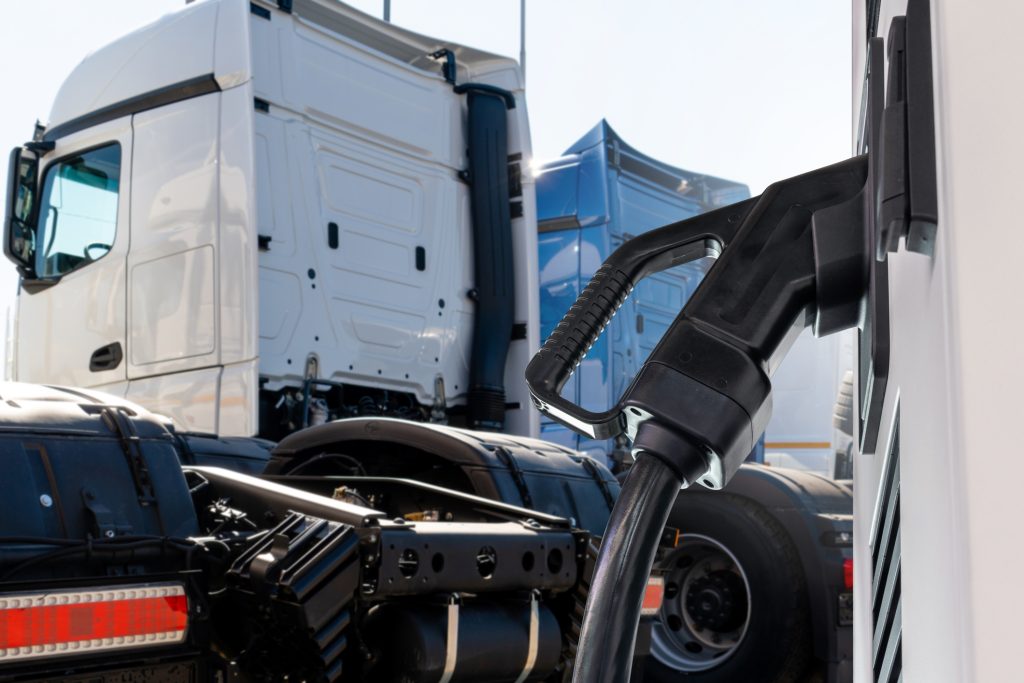
Managing fuel expenses becomes more complicated when a transport business expands from five vehicles to twenty or more. Without proper monitoring, fuel purchases, unnecessary trips, and poor vehicle maintenance can quickly reduce profits.
Effective fuel management for growing fleet in Nigeria helps logistics companies, delivery businesses, and transport operators control expenses while keeping vehicles available for daily operations.
For businesses operating across Lagos, Abuja, Port Harcourt, and other Nigerian cities, managing fuel consumption requires more than recording petrol or diesel purchases.
How Growing Fleets Lose Money Through Fuel Expenses
A delivery company operating ten vans across Lagos may spend significantly more on fuel than expected because of traffic congestion, inefficient routes, and unnecessary engine idling.
Consider a van consuming 20 litres daily. At an illustrative fuel price of ₦1,000 per litre, daily fuel expenses reach ₦20,000.
For ten vehicles operating 26 days monthly, that becomes ₦5.2 million.
Even a 10% reduction in consumption could save approximately ₦520,000 monthly.
Actual savings depend on vehicle conditions, fuel prices, routes, and operating schedules.
This explains why growing transport companies need reliable fuel monitoring systems before expanding their fleets.
Practical Fuel Management for Growing Fleet in Nigeria
Businesses can reduce unnecessary fuel spending by introducing simple operational controls.
1. Monitor fuel consumption per vehicle
Record litres purchased, kilometres travelled, and daily assignments.
Comparing these figures helps identify vehicles consuming unusually high amounts of fuel.
2. Plan delivery routes carefully
A driver making deliveries between Ikeja, Victoria Island, and Lekki should follow an organised route instead of repeatedly crossing congested areas.
Grouping deliveries by location reduces unnecessary mileage.
3. Introduce fuel purchase controls
Assign fuel limits based on vehicle type, route distance, and expected workload.
Drivers should submit receipts and mileage records for verification.
4. Maintain vehicles regularly
Dirty air filters, incorrect tyre pressure, and poorly maintained engines can increase fuel consumption.
Routine servicing helps prevent avoidable operating expenses.
Managing Fuel Costs During Lagos Traffic
Lagos traffic creates additional challenges for fleet operators.
Vehicles travelling through Apapa, Oshodi, and the Lekki-Epe Expressway may experience unpredictable delays, particularly during peak periods.
A delivery scheduled for two hours could take considerably longer when congestion develops.
Fleet managers should monitor traffic conditions before dispatching vehicles and avoid unnecessary return journeys.
Combining nearby deliveries also improves vehicle utilisation.
For interstate operations, scheduling departures outside heavily congested periods can reduce idle time and improve delivery reliability.
When Your Fleet Needs Better Transport Coordination
As businesses expand, managing drivers, fuel purchases, maintenance schedules, and delivery assignments becomes increasingly demanding.
Some companies operate their own vehicles but require additional transport capacity during busy periods.
For example, an e-commerce business handling increased orders during December may need temporary delivery support without purchasing more vehicles.
Travo.ng provides transport coordination, courier services, cargo logistics, and business delivery support to help companies manage changing transport requirements.
Using additional logistics support when necessary can reduce pressure on existing vehicles and prevent inefficient fleet expansion.
Track Fuel Spending Before Adding More Vehicles
Before purchasing additional trucks or delivery vans, businesses should understand their existing fuel performance.
Review monthly fuel expenditure, vehicle mileage, delivery volumes, and maintenance costs.
A growing fleet should generate more productive trips, not simply consume more fuel.
Businesses seeking better fuel management for growing fleet in Nigeria should combine accurate recordkeeping, route planning, preventive maintenance, and dependable transport support.
With practical logistics coordination from Travo.ng, companies can organise deliveries more efficiently while keeping transportation costs under control.
