


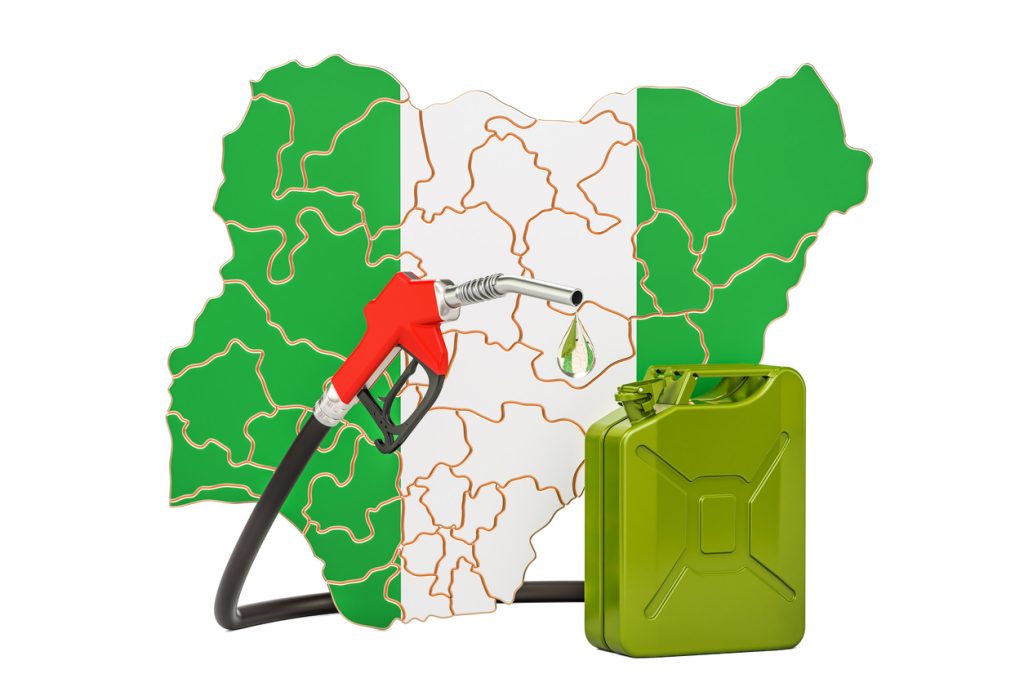
Fuel expenses remain one of the biggest challenges facing transport operators, logistics companies, and businesses managing vehicle fleets across Nigeria. With fluctuating petrol and diesel prices, poor road conditions, and unpredictable traffic, controlling fuel consumption requires more than simply reducing vehicle movement.
Businesses looking to improve fuel operational efficiency in Nigeria need practical strategies that reduce unnecessary fuel consumption without affecting deliveries, employee transportation, or daily operations.
From coordinating delivery routes to maintaining vehicles properly, small operational improvements can significantly reduce fuel expenses over time.
Identify Where Your Business Is Wasting Fuel
Many Nigerian businesses spend more on fuel than necessary because they lack proper monitoring systems.
A delivery company operating between Ikeja, Lekki, and Victoria Island may experience excessive fuel consumption due to traffic congestion, unnecessary trips, and prolonged engine idling.
Common sources of fuel waste include:
- Poorly planned delivery routes
- Excessive vehicle idling during traffic
- Unnecessary journeys and empty return trips
- Poor vehicle maintenance
- Unmonitored driver fuel consumption
- Overloading delivery vehicles
Identifying these problems allows businesses to make targeted improvements instead of cutting transport services indiscriminately.
Plan Delivery Routes to Reduce Fuel Consumption
Effective route planning is one of the easiest ways to improve fuel operational efficiency in Nigeria.
For example, a logistics company delivering packages across Lagos should avoid sending separate vehicles to nearby destinations when deliveries can be consolidated.
A vehicle delivering goods from Ikeja to Victoria Island could handle multiple scheduled drop-offs along a suitable route instead of making repeated journeys.
Businesses should also consider Lagos traffic patterns when scheduling deliveries.
Major corridors such as Third Mainland Bridge, Lekki-Epe Expressway, and Apapa-Oshodi Expressway frequently experience congestion that increases fuel consumption.
Travo.ng supports businesses with transport coordination and delivery logistics, helping companies organise vehicle movements around operational requirements.
Maintain Vehicles Before Fuel Costs Increase
Poor vehicle maintenance directly affects fuel efficiency.
Vehicles operating daily on Nigerian roads experience wear from potholes, traffic congestion, and frequent braking.
Regular maintenance should include checking tyre pressure, replacing clogged air filters, inspecting fuel systems, and servicing engines according to manufacturer recommendations.
Underinflated tyres increase rolling resistance, forcing engines to consume more fuel.
Businesses operating delivery vans, trucks, or company vehicles should establish maintenance schedules rather than waiting until breakdowns occur.
Preventive maintenance also reduces unexpected vehicle downtime.
Monitor Driver Behaviour and Fuel Usage
Driver behaviour significantly influences operational fuel expenses.
Aggressive acceleration, unnecessary idling, speeding, and poor gear selection can increase fuel consumption.
Fleet managers should monitor fuel purchases, mileage, and vehicle performance to identify unusual spending patterns.
For example, if two similar delivery vans operate comparable Lagos routes but one consistently consumes more fuel, management should investigate driving habits, maintenance conditions, and route differences.
Simple fuel logs can reveal operational problems before they become expensive.
Reduce Empty Trips Through Better Transport Coordination
Empty return journeys are a common problem in Nigerian cargo transportation.
A truck delivering goods from Lagos to Ibadan may return without carrying additional cargo, increasing the effective fuel cost of the original delivery.
Businesses can reduce this waste by coordinating return loads where practical.
Consolidating shipments, scheduling pickups strategically, and selecting appropriate vehicle sizes also improve fleet utilisation.
Travo.ng offers cargo logistics and business transport coordination services that businesses can consider when organising deliveries and interstate movements.
Build a More Fuel-Efficient Logistics Operation
Improving fuel efficiency requires consistent monitoring rather than occasional cost-cutting.
Businesses should track fuel consumption per kilometre, review delivery schedules, maintain vehicles, and evaluate transport performance regularly.
For companies managing deliveries across Lagos, Abuja, Port Harcourt, and other Nigerian cities, reliable logistics coordination can help reduce unnecessary journeys.
Travo.ng provides practical delivery, cargo logistics, vehicle hire, and transport coordination services for businesses seeking better operational planning.
By combining smarter fleet management with organised logistics support, Nigerian businesses can control fuel expenses while maintaining dependable transportation and delivery operations.
