


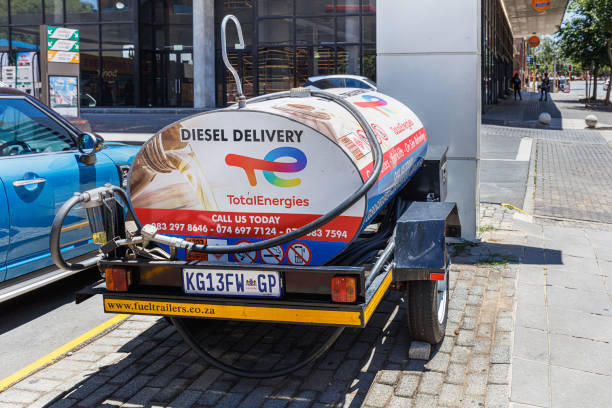
Moving fast-moving consumer goods across Nigeria requires more than reliable trucks and experienced drivers. Fuel availability, fluctuating diesel prices, and unpredictable delivery routes can affect how quickly products reach retailers.
A dependable fuel solution for FMCG distribution in Nigeria helps businesses control transport expenses, avoid unnecessary delays, and maintain consistent product deliveries.
For distributors handling beverages, packaged foods, toiletries, and household products, proper fuel planning can make daily operations more predictable.
How Fuel Expenses Affect FMCG Deliveries in Nigeria
Fuel is a major operating expense for companies transporting consumer goods between warehouses, wholesalers, supermarkets, and neighbourhood shops.
Consider a distributor moving products from a warehouse in Ikeja to retailers in Lekki, Surulere, and Victoria Island.
Poor route planning can increase fuel consumption, especially when delivery vehicles spend hours in Lagos traffic.
Businesses distributing goods between Lagos, Ibadan, Abuja, and Port Harcourt face additional expenses from long-distance journeys, vehicle maintenance, and unexpected stops.
Without proper fuel management, these expenses gradually reduce distribution profits.
Choosing a Reliable Fuel Solution for FMCG Distribution in Nigeria
An effective fuel management arrangement should help distributors maintain vehicle availability while controlling unnecessary spending.
Businesses should consider several practical measures:
- Reliable fuel sourcing: Arrange dependable refuelling options before dispatching vehicles.
- Fuel consumption monitoring: Record litres purchased, kilometres travelled, and delivery locations.
- Route planning: Combine nearby delivery destinations to reduce unnecessary journeys.
- Vehicle maintenance: Check tyres, engines, and filters regularly to prevent excessive consumption.
- Fuel budgeting: Estimate fuel requirements before scheduling interstate deliveries.
These measures help businesses identify waste and improve fleet efficiency.
Managing Fuel Consumption During Lagos Distribution
Lagos presents particular challenges for FMCG delivery operations.
A truck transporting beverages from Apapa to warehouses in Ikeja may experience significant delays during peak traffic periods.
Similarly, distributors supplying supermarkets along the Lekki-Epe Expressway must consider congestion, delivery restrictions, and unloading schedules.
Instead of dispatching vehicles without a clear plan, businesses should organise deliveries according to location and customer availability.
Early departures may reduce delays on certain routes, although traffic conditions should always be checked.
Coordinating deliveries also helps prevent vehicles from making repeated journeys to the same neighbourhood.
Reducing Interstate FMCG Transport Expenses
Interstate distribution requires additional planning because longer journeys increase fuel consumption.
For example, a distributor transporting packaged goods from Lagos to Abuja should calculate fuel requirements using vehicle capacity, expected distance, and historical consumption.
Managers should also consider:
- Road conditions and possible diversions.
- Vehicle loading capacity.
- Refuelling locations along the route.
- Driver rest periods.
- Return-trip cargo opportunities.
Using appropriately sized vehicles prevents businesses from wasting fuel on partially loaded trucks.
How Travo.ng Supports FMCG Distribution Operations
Fuel planning works best when businesses also have dependable transport coordination.
Travo.ng provides logistics and transport support that FMCG distributors can use when organising product movement across Nigeria.
Businesses can explore cargo logistics, delivery coordination, and haulage arrangements to support warehouse transfers and retail distribution.
Coordinating transport requirements in advance helps distributors plan vehicle capacity, delivery schedules, and operating expenses.
Companies should also establish their fuel purchasing and monitoring arrangements separately where necessary.
Keep Products Moving Without Unnecessary Fuel Costs
A practical fuel solution for FMCG distribution in Nigeria combines accurate fuel records, efficient routes, vehicle maintenance, and dependable transport arrangements.
Businesses that monitor consumption and organise deliveries carefully are better positioned to protect profit margins and maintain consistent supply.
For FMCG companies seeking coordinated product movement, Travo.ng offers logistics and transport services that can support more organised distribution across Nigeria.
