


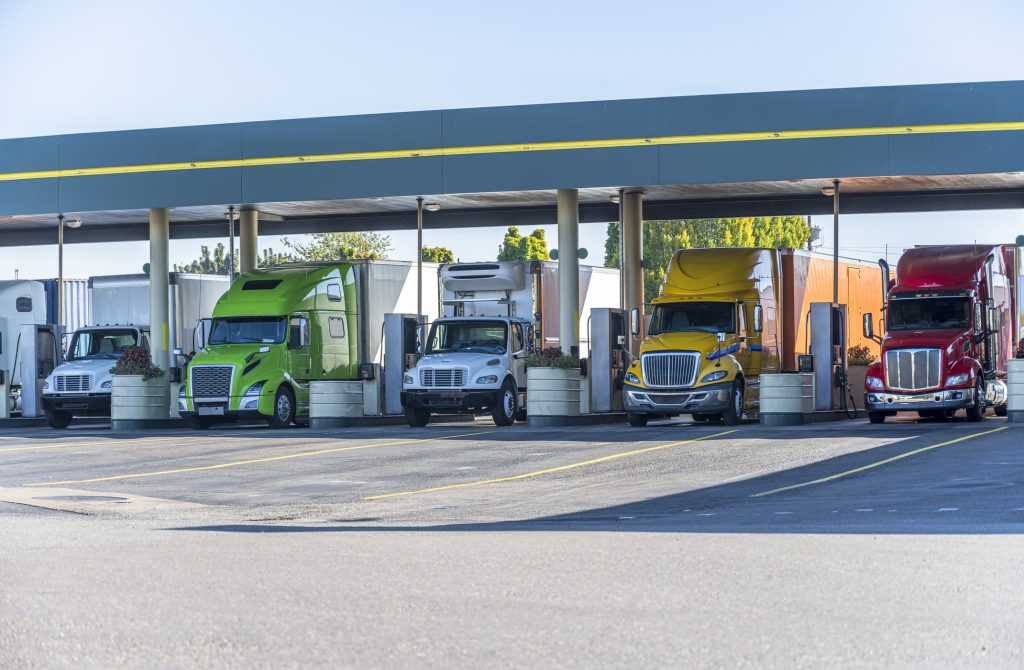
Fuel management for corporate vehicles in Nigeria has become a serious concern for businesses operating company cars, delivery vans, staff buses, and logistics trucks. With fluctuating petrol and diesel prices, poor fuel monitoring can quickly increase monthly operating expenses.
For companies managing vehicles across Lagos, Abuja, and Port Harcourt, controlling fuel consumption requires more than buying fuel at the cheapest filling station. Businesses need proper records, driver accountability, and realistic transport planning.
A structured approach helps companies reduce unnecessary spending while keeping daily operations running smoothly.
Where Corporate Vehicles Waste the Most Fuel
Many businesses lose money through everyday transport habits that often go unnoticed.
A company vehicle travelling between Ikeja and Victoria Island may spend hours in traffic, especially during morning and evening rush periods. Repeated engine idling, unnecessary trips, and poor route planning increase consumption.
Other common problems include:
- Drivers purchasing fuel without proper receipts.
- Unauthorised vehicle movements after working hours.
- Poor maintenance increasing fuel consumption.
- Multiple vehicles making similar deliveries.
- Inaccurate mileage and fuel purchase records.
These problems become more expensive when a company operates several vehicles across different locations.
How to Improve Fuel Management for Corporate Vehicles in Nigeria
Businesses should begin by monitoring how much fuel each vehicle consumes against the distance travelled.
For example, if a company van covers 800 kilometres monthly and averages 10 kilometres per litre, expected consumption is approximately 80 litres.
If fuel purchases consistently exceed that amount, management should investigate traffic conditions, vehicle maintenance, loading patterns, and possible misuse.
Practical improvements include:
- Maintain fuel records: Record purchases, mileage, vehicle registration numbers, and driver details.
- Monitor vehicle movement: Use GPS tracking or approved trip logs to identify unnecessary journeys.
- Plan delivery routes: Combine nearby deliveries to reduce repeated trips.
- Service vehicles regularly: Check tyres, filters, engines, and fuel systems.
- Set consumption targets: Compare vehicles based on their size, condition, routes, and workload.
Fuel targets should reflect actual operating conditions rather than unrealistic company-wide limits.
Managing Fuel Expenses During Lagos Traffic
Lagos presents particular challenges for corporate fleet operators.
A delivery vehicle moving between Lekki, Ajah, and Victoria Island may complete fewer trips than expected because of congestion.
Companies can reduce avoidable fuel consumption by scheduling deliveries outside peak traffic periods where practical.
Businesses operating several vehicles should also coordinate dispatch schedules instead of sending separate drivers to nearby destinations.
Travo.ng supports businesses with transport coordination, courier services, and logistics arrangements that can help organise movements more efficiently.
Should Companies Use Fuel Cards or Digital Tracking?
Fuel cards and digital monitoring systems can improve accountability, especially for organisations operating multiple vehicles.
Fuel cards may restrict purchases to approved stations and provide transaction records. Digital fleet systems can track mileage, fuel consumption, and vehicle activity.
However, technology alone cannot prevent waste.
Managers must regularly compare purchase records with actual vehicle movement and investigate unusual consumption patterns.
Smaller businesses can begin with spreadsheets and driver trip logs before investing in advanced fleet management software.
Making Corporate Transport More Cost-Effective
Companies should review their transport expenses monthly rather than waiting until fuel costs become difficult to manage.
Consider the total cost of each trip, including fuel, maintenance, driver time, and vehicle availability.
For businesses that do not require dedicated vehicles every day, arranged vehicle hire or outsourced delivery services may sometimes be more economical than maintaining additional company vehicles.
Travo.ng provides business logistics support, vehicle hire arrangements, and transport coordination for organisations managing different movement requirements.
Effective fuel management for corporate vehicles in Nigeria starts with accurate records, responsible driving, sensible route planning, and regular cost reviews.
Businesses that maintain these practices can reduce avoidable fuel expenses while keeping corporate transport dependable and better organised.
