


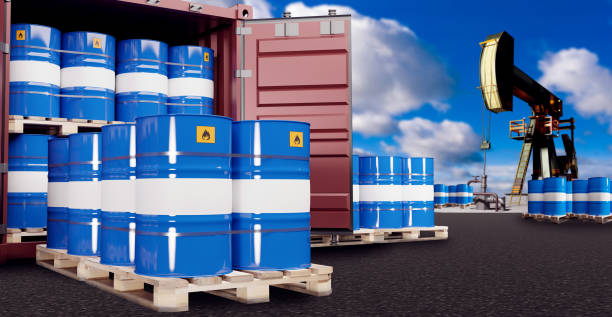
Fuel is one of the most difficult operating expenses to control in Nigeria. For transport companies, logistics operators, construction firms, manufacturers, estates, and businesses running generators or fleets, the problem is rarely just the price of diesel or petrol. The bigger challenge is knowing exactly how much fuel was bought, where it went, who used it, and whether the recorded figures match actual consumption.
A reliable fuel transparency solution in Nigeria helps businesses move away from estimates, handwritten logs, and unexplained fuel expenses. With better monitoring and accountability, managers can understand consumption patterns, identify unusual usage, and make more informed purchasing and operational decisions.
Where Fuel Losses Usually Start
Fuel losses are not always caused by outright theft. Sometimes the problem starts with poor record keeping.
A company may buy 2,000 litres of diesel for generators, trucks, or equipment, but several people may be involved between purchase and final consumption. Without proper records, it becomes difficult to confirm whether every litre reached the intended vehicle, storage tank, generator, or worksite.
Common problems include:
- Fuel quantities not matching supplier invoices
- Drivers reporting unusually high consumption
- Generator fuel disappearing faster than expected
- Manual records being incomplete or altered
- Fuel being transferred without proper authorization
- Managers having no clear view of daily consumption
For companies operating several vehicles or locations in Lagos, Abuja, Port Harcourt, or other Nigerian cities, these small gaps can quickly become expensive.
What a Fuel Transparency System Should Show
A useful fuel management process should make consumption easier to trace from purchase to usage.
Businesses need visibility into information such as the quantity purchased, delivery location, vehicle or equipment supplied, date of issue, person responsible, and expected consumption.
For fleet operations, fuel records can also be compared with vehicle routes and distances travelled. If a delivery truck regularly uses 70 litres for a particular Lagos–Ibadan movement and suddenly records 110 litres without an operational explanation, that difference deserves attention.
The goal is not simply to collect more data. It is to make unusual fuel activity easier to notice before losses become routine.
Fuel Monitoring Helps Logistics Businesses Control Margins
Fuel costs directly affect transport and delivery pricing.
A haulage company may calculate a trip using expected fuel consumption, driver expenses, tolls, and maintenance costs. When actual fuel usage constantly exceeds the planned figure, the profitability of each trip falls.
A fuel transparency solution in Nigeria gives fleet managers clearer information for comparing routes, vehicles, drivers, and operating costs.
This is particularly useful for businesses handling interstate cargo, last-mile delivery, employee transport, truck operations, and other services where vehicles are moving daily.
Better fuel records can also help companies identify inefficient vehicles that consume significantly more fuel than others performing similar work.
Do Not Depend on Manual Fuel Logs Alone
Paper records can still support daily operations, but they should not be the only source of information.
A driver writing down the amount purchased does not independently confirm how much actually entered the vehicle. Similarly, a generator operator recording fuel usage does not necessarily give management a complete picture of what remains in storage.
Businesses should create simple control procedures around purchasing, dispensing, approvals, reconciliation, and reporting.
Even basic improvements such as matching supplier records with internal fuel logs and vehicle activity can expose discrepancies that previously went unnoticed.
Travo.ng Can Support Better Transport Operations
Fuel transparency works best when it is part of wider operational control.
Travo.ng supports Nigerian businesses with practical transport coordination, cargo logistics, vehicle hire, fleet-related movements, courier services, and business logistics support. Companies managing frequent deliveries or transport operations can use better fuel visibility alongside proper route planning, vehicle allocation, and trip documentation.
When businesses know what fuel is being consumed and why, they can budget more accurately, investigate abnormal usage faster, and reduce unnecessary operating costs.
For organisations struggling with unexplained diesel or petrol expenses, introducing a structured fuel transparency system is a practical step toward better accountability and more predictable transport and logistics spending.
