


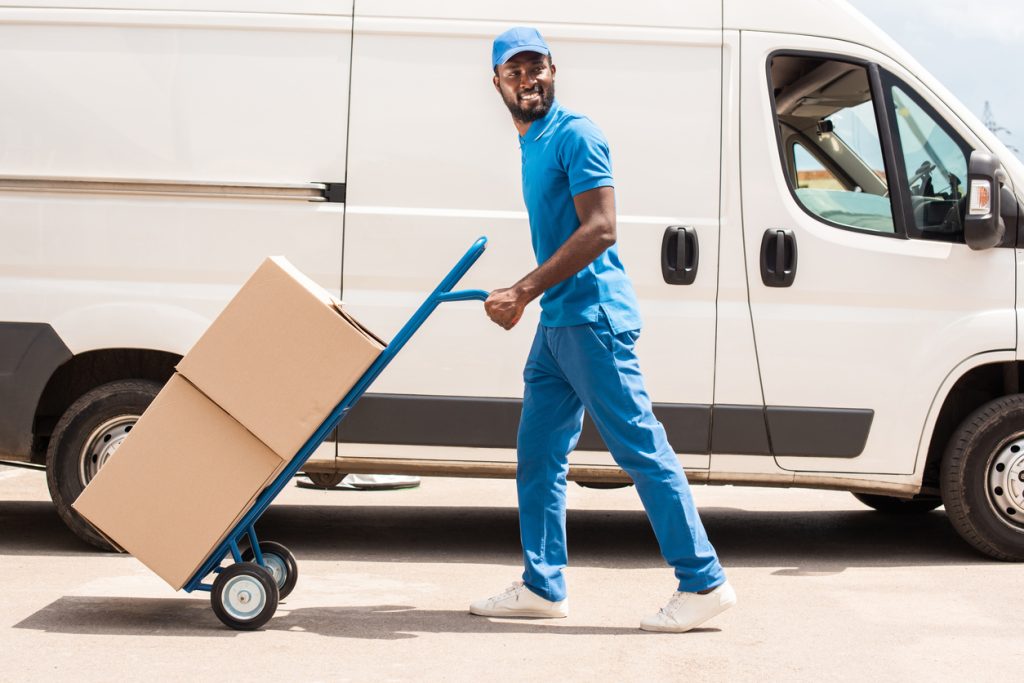
Supermarket pickup and delivery in Nigeria refers to the process of collecting groceries, household products, and everyday essentials from supermarkets and delivering them directly to homes, offices, hostels, or businesses.
In major cities like Lagos, Abuja, Port Harcourt, Ibadan, and Kano, this service has become increasingly important due to:
- Busy urban lifestyles
- Traffic congestion
- Growth of online shopping
- Rising demand for convenience-based retail logistics
Travo.ng explains this as part of a modern retail fulfillment and last-mile delivery system connecting supermarkets to consumers efficiently and reliably.
1. What Is Supermarket Pickup and Delivery?
It is a service where:
- Customers place grocery or household orders remotely
- Items are picked from a supermarket shelf or store inventory
- Goods are packed and dispatched
- Delivery is made directly to the customer’s address
👉 It combines retail shopping with fast urban logistics.
2. Common Items Delivered from Supermarkets
🥘 Food and groceries
- Rice, beans, pasta, cereals
- Bread, beverages, snacks
- Frozen and refrigerated foods
🧴 Household essentials
- Detergents and cleaning supplies
- Toiletries and personal care products
- Tissue paper and home consumables
🥬 Fresh produce
- Fruits and vegetables
- Meat and poultry
- Dairy products
🍼 Family and lifestyle products
- Baby products
- Pet supplies
- Kitchen essentials
3. How Supermarket Delivery Works
- Customer places order online or through dispatch service
- Supermarket staff or procurement agent picks items
- Goods are packed by category
- Dispatch rider or delivery vehicle is assigned
- Delivery is routed to customer location
- Customer receives and confirms order
4. Common Supermarkets Used for Delivery in Nigeria
National and major chains
- Shoprite
- Spar
- Everyday Supermarket
- Market Square
- Hubmart
Local neighborhood supermarkets
- Estate grocery stores
- Independent mini-marts
- Community supermarkets
5. Delivery Vehicles Used
🏍️ Motorcycles
- Fastest for small grocery orders
- Best for urban same-day delivery
🚗 Cars
- Suitable for medium-sized and fragile orders
- Better handling for refrigerated items
🚐 Vans
- Used for bulk family shopping or business supply
- Common for restaurants and hotels
6. Benefits of Supermarket Delivery
- Saves shopping and travel time
- Reduces stress from traffic and crowded stores
- Enables convenient home shopping
- Supports elderly and busy customers
- Improves access to bulk household supplies
7. Challenges in Supermarket Logistics
- Traffic delays affecting delivery schedules
- Product availability and stock shortages
- Handling of frozen and perishable goods
- Peak-hour order congestion
- Weather-related delivery disruptions
8. Who Uses Supermarket Delivery Services?
- Families and households
- Busy professionals
- Students and NYSC members
- Restaurants and food businesses
- Elderly customers
- Corporate offices
9. Best Practices for Reliable Supermarket Delivery
- Confirm item availability before dispatch
- Separate frozen, fresh, and dry goods
- Use insulated packaging for temperature-sensitive products
- Schedule deliveries early for perishable items
- Provide clear delivery instructions and contact details
10. Travo.ng Logistics Insight
From a logistics perspective, supermarket pickup and delivery is part of a modern retail fulfillment system, where:
- Supermarkets act as urban inventory hubs
- Last-mile delivery determines customer satisfaction
- Speed and freshness influence service quality
- Efficient dispatch networks support high-frequency consumer demand
Travo.ng supports this ecosystem by enabling structured retail logistics, fast dispatch coordination, and reliable doorstep supermarket delivery across Nigeria.
